
Last updated October 15, 2026
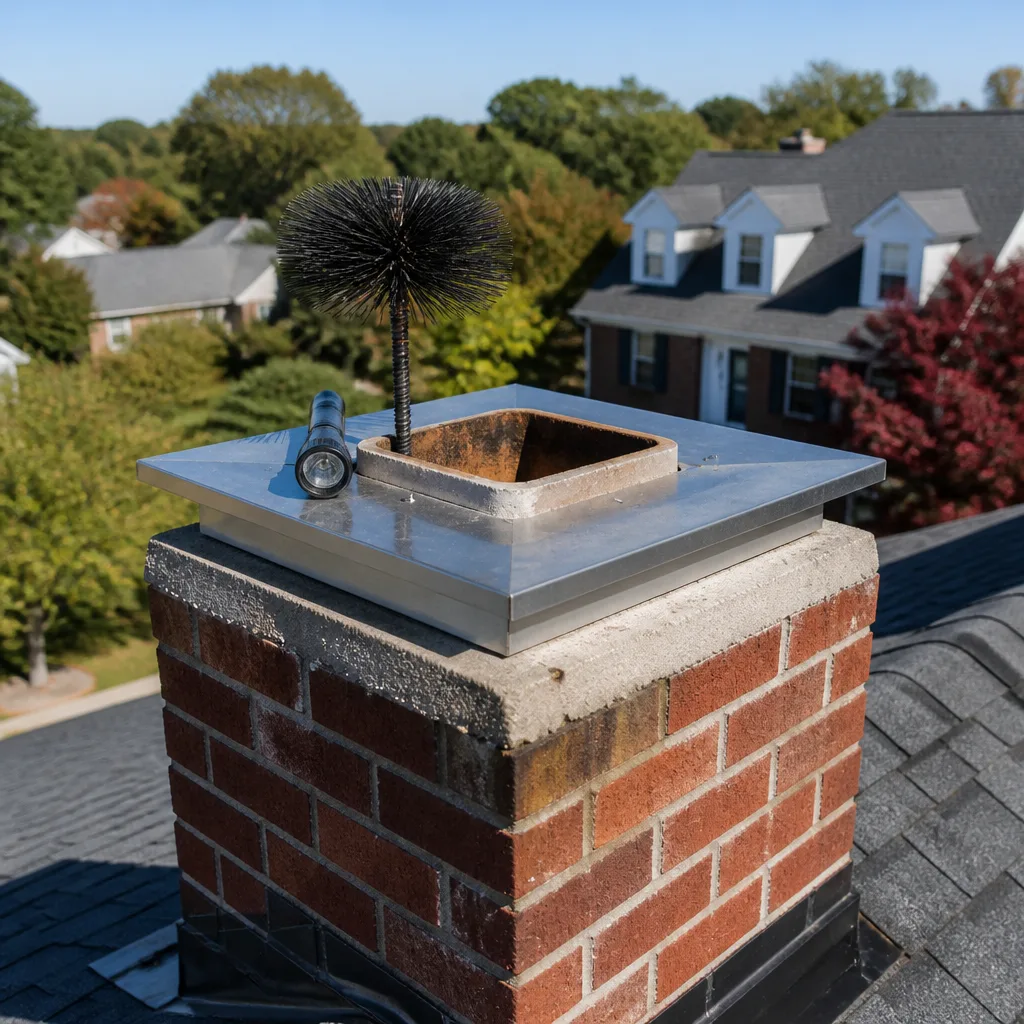 Sweep & inspection
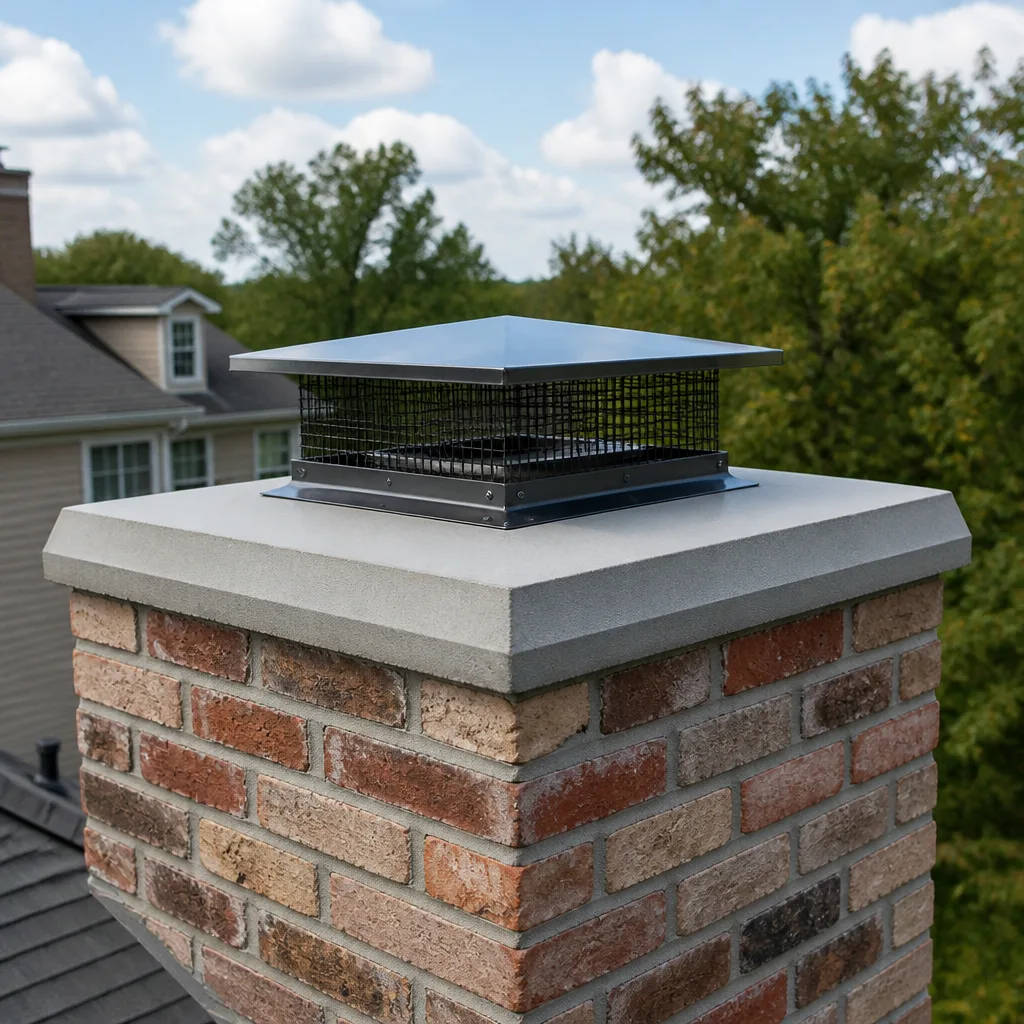 Caps & crowns
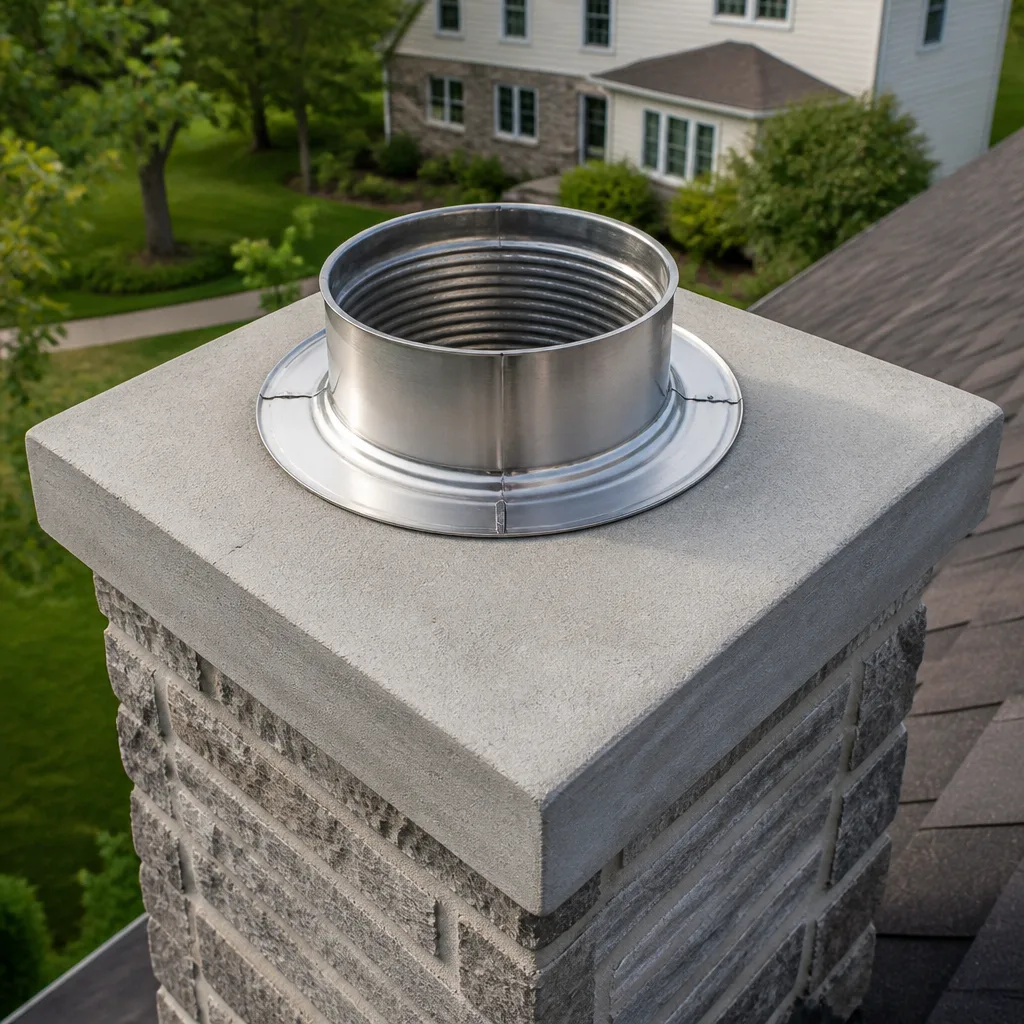 Flue relining
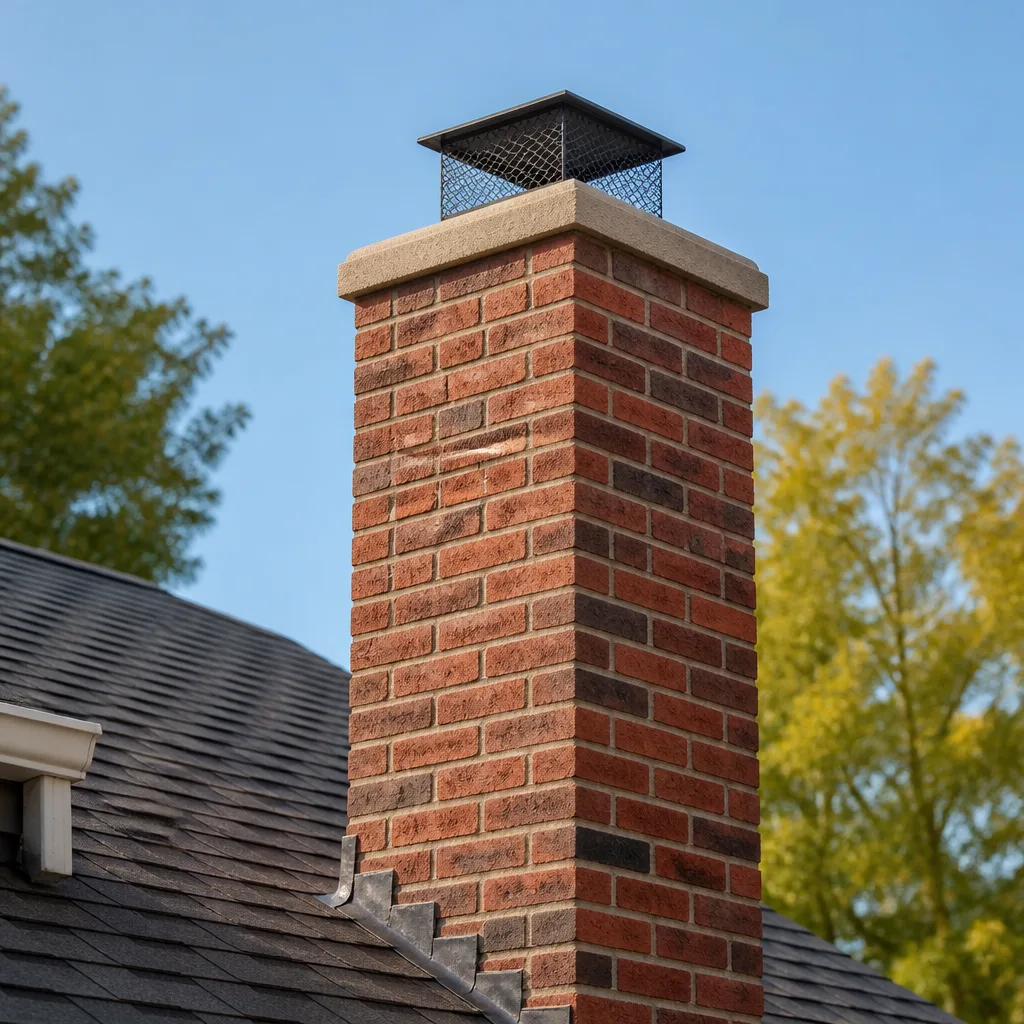 Masonry repair
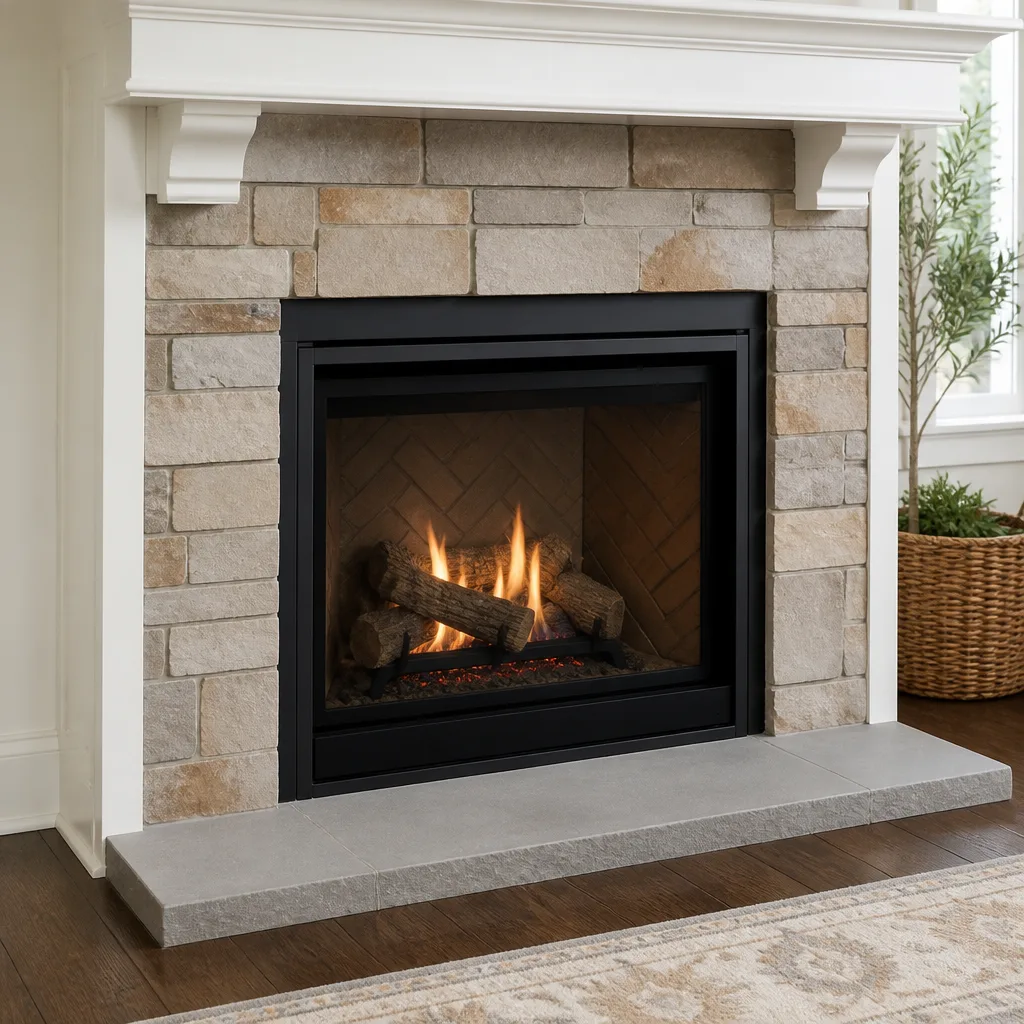 Gas fireplace service
Level 1 sweep and inspection to the NFPA 211 annual standard - flue, crown, cap, and flashing checked and photographed
Chimney sweep logs do not sweep chimneys. They loosen some creosote - which then falls where a brush and vacuum still have to collect it.
DIY vs Professional Chimney Cleaning: The Las Vegas Homeowner’s Decision Guide
You can absolutely sweep your own chimney flue with a brush kit from a home improvement store, and still have a dangerous blockage, a cracked liner, or a compromised flashing that the brush never touches and your eye never reaches. That’s the uncomfortable truth at the center of the DIY question. In Las Vegas, where wood-burning fireplaces are often seasonal novelties rather than primary heat sources, the stakes are different than in a Vermont cabin, but not lower. This guide walks you through what a DIY sweep actually accomplishes, what it can’t, what a professional inspection adds, and how to decide which path makes sense for your specific chimney, your budget, and your tolerance for risk. For how to hire a chimney cleaning contractor in Las Vegas, see our step-by-step guide.
Styles & brands we work with
Quick Answer
DIY chimney sweeping is a reasonable maintenance task for a Las Vegas homeowner with a gas log set or a wood fireplace used only occasionally and burned clean, but it only removes soot and light creosote from the flue walls. A professional chimney cleaning, by contrast, includes a camera inspection of the liner, smoke chamber, crown, and flashing: the places where Las Vegas chimneys actually fail. The smart play for most homeowners is a hybrid: DIY surface maintenance between professional inspections every 2-3 years, because the things that hurt you in a chimney are almost never visible from the firebox opening.
Table of Contents
- What a DIY Chimney Sweep Actually Accomplishes
- What a Brush Never Touches: The Las Vegas-Specific Hazards
- When DIY Makes Sense in Las Vegas
- When DIY Turns Into a Liability
- The Real Cost Comparison: DIY vs Professional
- What a Professional Inspection Includes (And Why It Matters)
- Responsible DIY Maintenance Between Pro Visits
- Common Mistakes to Avoid
- When to Call a Professional
- Frequently Asked Questions
- The Bottom Line
What a DIY Chimney Sweep Actually Accomplishes
A DIY chimney sweep, honestly assessed, removes loose soot and light creosote from the flue liner. That’s the job. You’re running a wire or poly brush on rods through the flue from either the top down or the firebox up, scraping off the black coating that accumulates when wood burns incompletely. If your creosote layer is a dry, dusty Stage 1 film (imagine a light dusting of powdered charcoal), a brush kit handles it fine. If it’s a shiny, tar-like Stage 2 glaze or a hardened Stage 3 layer, a brush does almost nothing regardless of how hard you work it.
In Las Vegas, the picture is a bit different than in colder climates. We don’t run wood stoves for six months straight. Our fireplaces tend to see maybe 10-20 fires per season, mostly from Thanksgiving through February. That means creosote accumulation is typically lighter than you’d find in a Minnesota chimney. But the Las Vegas climate creates its own problems: the dramatic temperature swings between desert nights and heated homes cause the clay tile liners in older chimneys to crack through a process called thermal shock, and those cracks are entirely invisible to a brush. Our seasonal chimney cleaning care guide for Las Vegas covers how to protect your system year-round.
Here’s what a DIY sweep does in practical terms:
- Removes loose soot and Stage 1 creosote from flue walls
- Clears small debris like leaves, cobwebs, and light ash from the smoke shelf
- Gives you a visual check of the firebox floor and the first few feet of flue you can see from below
- Keeps the damper mechanism free of excessive buildup
- Confirms the flue is open and drafting by running a quick smoke test
That’s not nothing. A clean flue surface is genuinely better than a fouled one, and if you’re dealing with a gas log set that produces no creosote at all, a light brush run is arguably all the mechanical cleaning that flue needs in a given year. But here’s the line that matters: cleaning is not inspection. And in our experience, the Las Vegas homeowners who get into trouble are the ones who assume those two things are the same.
What a Brush Never Touches: The Las Vegas-Specific Hazards
The anatomy of a chimney failure in Las Vegas rarely starts with creosote. It starts with the parts you can’t see from the firebox or the roof line without a camera.
The liner. Most Las Vegas chimneys built before the 1990s have clay tile liners. Clay tiles crack. Thermal shock from our 40-degree winter nights followed by the heat of a wood fire is a documented mechanism for this. A cracked liner allows heat and combustion gases to escape into the chimney chase or, worse, into the walls of your home. A brush will not detect a cracked liner. It will happily slide past the crack, leaving you with a false sense of security. A camera inspection is the only way to confirm liner integrity, which is why a professional chimney sweep in Las Vegas includes it as a core component of the visit.
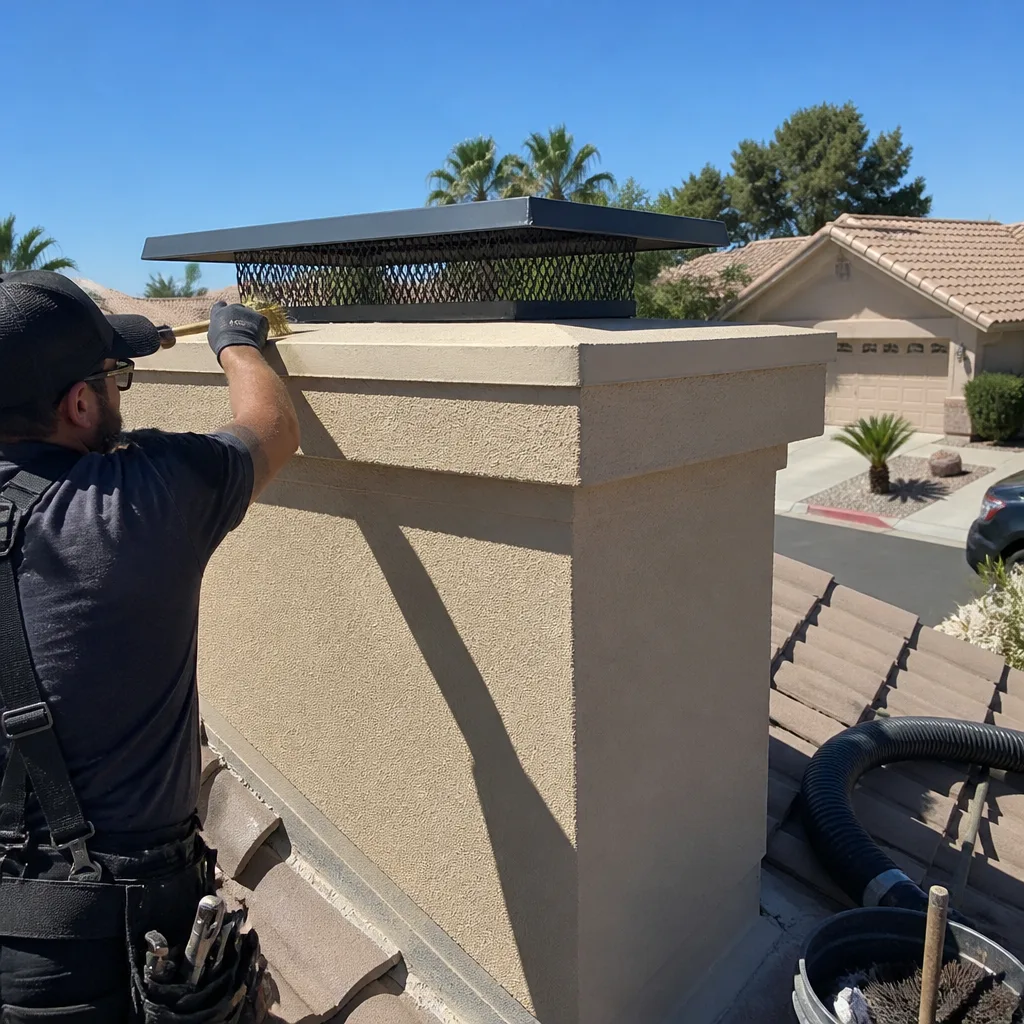
The crown. The crown is the concrete or mortar cap at the very top of the chimney, and in Las Vegas, crowns fail often. Our summers push 110-plus degrees, our winters dip near freezing, and UV radiation chews through mortar and concrete faster than homeowners expect. A cracked crown lets rain into the chimney structure, which in a desert like ours sounds harmless until you understand that the occasional monsoon storm delivers more water to your chimney in an hour than many homes see in a month. Water penetration through a cracked crown and into the smoke chamber starts a slow rot that no amount of brushing from below will fix.
Animal nesting. Las Vegas has pigeons, starlings, and the occasional desert owl looking for a quiet place to roost. Birds enter through damaged caps or open flues. Once inside, they build nests in the smoke chamber, a space above the firebox that you cannot see from the firebox opening and cannot reach with a standard brush. A nest compressed against a hot flue is a fire hazard. We’ve pulled nesting material out of chimneys in Summerlin and Henderson that had been there for years, with the homeowner completely unaware.
Flashing and chase integrity. Flashing is the metal seal where the chimney meets the roof line. Las Vegas roofs are often tile or flat systems, and the flashing work on many chimneys built in the 1980s and 1990s has reached the end of its service life. A leaking flashing doesn’t announce itself loudly. It stains the drywall, softens the framing, and creates mold in the attic. None of this is visible from inside the chimney.
The takeaway is simple and specific to our market: the hazards most likely to damage a Las Vegas chimney are invisible from the firebox, and a brush addresses none of them.
When DIY Makes Sense in Las Vegas
We’re not going to pretend DIY chimney work is always a bad idea. It isn’t. There are specific Las Vegas scenarios where a DIY sweep is a reasonable, responsible choice, particularly when you’re doing it as maintenance between professional inspections rather than as a substitute for them.
Scenario 1: Gas log sets. If you have a vented gas log set in a functional fireplace, the byproduct of combustion is carbon monoxide and water vapor, not creosote. A gas fireplace should be professionally serviced regularly (check our gas fireplace repair in Las Vegas page for the details on what that includes), but a light DIY brushing to remove dust, pet hair, and the odd spider web is perfectly fine and safe. The flue in a gas-only setup doesn’t need aggressive mechanical cleaning, because gas doesn’t create the sticky tar that wood does.
Scenario 2: Clean-burning wood fires, occasional use. If you burn a half cord of seasoned hardwood per season, and you’ve had a professional inspection within the last three years that confirmed a sound liner and clean smoke chamber, a DIY sweep between those inspections is a reasonable maintenance move. Use a properly sized poly brush, go top-down or bottom-up according to your comfort level, and wear a respirator rated for soot and creosote particulate. The goal isn’t to replace the professional visit. The goal is to keep the flue surface clear so the professional visit can focus on inspection rather than basic cleaning.
Scenario 3: Smoke chamber armchair check. You can’t clean your smoke chamber from inside the house, but you can check for visible smoke rollout during the fire, which is a red flag that the chamber or the flue is partially obstructed. If your fireplace ever pushes smoke back into the room, stop burning immediately. That’s not a DIY fix.
The theme across all three scenarios: DIY is maintenance, not inspection. It works when you already know the system is sound because a professional confirmed it recently. It doesn’t work when you’re using it as a way to avoid paying for what a professional actually provides.
When DIY Turns Into a Liability
Every fall, we get calls from Las Vegas homeowners who tried to handle the chimney themselves and found something they didn’t expect. Here are the situations where DIY is a genuine liability, not a money-saver.
You haven’t had a professional inspection in more than three years. The whole point of inspection is to catch problems before they become emergencies. A DIY sweep in this situation is like checking your own oil pressure without ever looking under the hood. You’ll get a number, and it might be meaningless. Without a baseline camera inspection, you don’t know whether the liner is cracked, the smoke chamber is packed with old creosote, or the crown is failing. You’re cleaning a system you haven’t verified is safe to clean.
You see glazed, shiny creosote. If the flue walls look like they’ve been coated in black glass, that’s Stage 2 creosote. It’s too dense for a wire brush, and trying to knock it loose with aggressive mechanical force can damage older clay liners. This material needs professional removal, typically with rotary chains or chemical treatments. In Las Vegas, Stage 2 creosote isn’t as common as it is in colder climates, but it does show up in homes where homeowners burned green wood, construction lumber, or pressed logs over multiple seasons without a sweep.
You smell smoke or see water stains near the chimney. These are signs of a structural or ventilation problem, not a cleaning problem. Water stains on the ceiling near the fireplace suggest a flashing or crown failure. A smoke smell in the house during the off-season suggests a downdraft issue or a partial obstruction. We’ve seen homeowners in Green Valley and Summerlin tie themselves in knots trying to “clean their way out of” a problem that was never about soot.
You’re preparing to sell the house. A DIY sweep leaves a documentation gap. Home inspectors in Nevada are trained to note the absence of a professional chimney inspection record, and buyers in the Las Vegas market have been known to ask for chimney work credits during escrow. A professional sweep with a written report and photo documentation is a resale asset, while a DIY effort is, at best, an unverifiable claim. If you’re selling, you want the paper trail.
Anyone in the house has respiratory concerns. Creosote dust is not benign. It’s a mixture of tar, soot, and chemical compounds that irritate the lungs. Professional sweeps use HEPA filtration vacuums and containment systems. DIY sweeping without proper PPE exposes you and your household to particulate that settles on furniture, carpet, and HVAC filters. If anyone in the home has asthma, COPD, or a compromised immune system, this isn’t a DIY project.
The Real Cost Comparison: DIY vs Professional
Let’s put real numbers on the table, because that’s what actually helps you decide. In the Las Vegas market, a professional chimney sweep typically runs between $150 and $275 depending on the chimney’s height, accessibility, and whether it’s a standard sweep or requires additional labor like removing a significant animal nest or dealing with a difficult roof line. A basic DIY brush kit from a home improvement store runs $40 to $80, and a nicer kit with a drill attachment and a drop cloth might run $100 to $140.
So the raw materials math favors DIY. No argument there. But here’s the fuller picture:
| Cost Factor | DIY Sweep | Professional Sweep |
|---|---|---|
| Equipment (brush kit, rods, PPE) | $40 – $140 | Included |
| Time (setup, sweep, clean up) | 2 – 5 hours | 60 – 90 minutes of your time |
| Camera inspection | Not possible | Included with sweep |
| Written report | Not possible | Included |
| Photo documentation | Not possible | Included |
| Respiratory protection | Extra $20 – $50 if you don’t own a respirator | Included |
| Risk of incomplete cleaning | Real, especially smoke chamber | Negligible |
The honest framing is this: a DIY sweep costs $40 to $140 and leaves you with a cleaner flue and no information. A professional sweep costs $150 to $275 and leaves you with a cleaner flue, a camera inspection record, a written report, and photos you can keep in your home file. That information is the actual product. The sweeping is almost incidental.
One more piece of local context: Las Vegas homes built since the 1990s often have prefabricated or factory-built chimneys rather than masonry ones. These systems use metal flues that are more sensitive to improper cleaning methods than clay tile. Using the wrong brush size or too aggressive a technique on a factory-built flue can scratch or damage the metal. A professional sweep for these systems often costs a bit less than a full masonry chimney cleaning, and in our experience, the factory-built chimneys are where well-meaning DIY damage happens most often.
What a Professional Inspection Includes (And Why It Matters)
When we do a chimney sweep in Las Vegas, the cleaning itself is maybe a third of the visit. The inspection is where the value sits, and it’s worth understanding exactly what a professional sees that you cannot.
Here’s what happens on a professional sweep and inspection, step by step:
- The sweep sets up containment. A professional uses drop cloths, a HEPA vacuum, and often a plastic curtain around the firebox opening. In a Las Vegas home where carpet and open floor plans are common, this keeps creosote dust from spreading through the house.
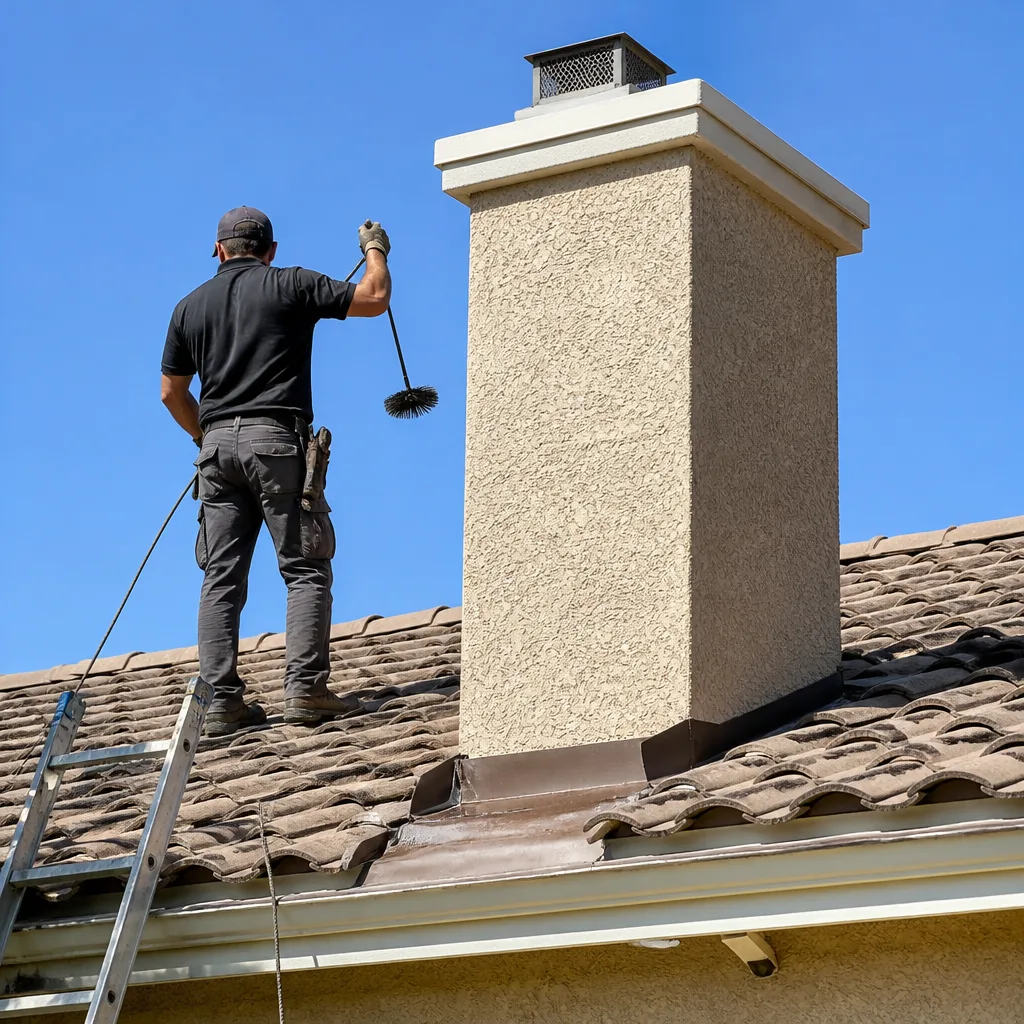
- The flue is brushed from top to bottom. The tech runs the appropriate brush through the full length of the flue, removing loose creosote and soot. This is the only step a DIY kit replicates.
- The smoke chamber is inspected and cleaned. This is the space above the firebox where smoke collects before entering the flue. It’s hidden from view, it accumulates creosote and animal nesting, and a DIY brush never reaches it. Professional sweeps use specialized tools and sometimes a camera to clear and verify this area.
- A camera inspection is performed. The tech runs a video camera up the flue and through the smoke chamber, looking for cracked tiles, gaps in the mortar joints, deteriorated metal, and hidden blockages. In Las Vegas, where clay tile liners crack from thermal shock and factory-built chimneys develop rust and separation, this is the single most important diagnostic step.
- The crown and flashing are checked from the roof. The crown is inspected for cracks and spalling (the concrete flaking away in chunks). The flashing is checked for rust, gaps, and improper sealing. Our monsoon storms make this a critical check in the Las Vegas market.
- The damper and firebox are evaluated. The damper gets checked for smooth operation and a proper seal. The firebox brick or refractory panels are checked for cracks that could allow heat to reach the framing.
- You get a written report. This is the documentation that matters at resale. A written report with photos, including the camera captures, goes into your home file. If you’re selling your Las Vegas home in the next few years, this report is worth its weight during escrow.
The documentation gap is real. Most Las Vegas homeowners we work with haven’t had a chimney inspection since they bought the house, or ever. A professional visit every two to three years fills that gap, and in a market where home inspectors flag any sign of water stain near a chimney, having a recent professional report in hand is a genuine negotiation asset.
At Hadley Chimney Las Vegas, every sweep includes a written price before work starts, a camera inspection, and photo documentation you keep. That’s the Hadley Chimney Las Vegas home standard, and it’s what makes the professional visit more than a cleaning.
Responsible DIY Maintenance Between Pro Visits
If you’ve had a professional inspection within the last two years and you want to handle basic maintenance yourself between visits, here’s how to do it without creating false confidence about the system’s condition.
- Check the cap and crown from the ground. Use binoculars, not a ladder. Look for missing rain caps, bird activity around the chimney top, cracked concrete, or visible rust on the flashing. In Las Vegas, pigeons are the main rooftop nuisance, and a missing cap is an open invitation.
- Do a visual firebox check before the season starts. Shine a flashlight up into the firebox from inside the house. Look for flaking brick, white staining (a sign of water penetration), or an unusual amount of soot that seems baked on rather than dusty.
- Run a smoke test. On a day when you’re not planning to burn a full fire, light a rolled-up newspaper in the firebox and watch where the smoke goes. If it drafts up cleanly, the flue pathway is open. If the smoke rolls into the room, stop and call a professional. That’s a partial obstruction or a drafting problem, and it’s not a DIY fix.
- Keep a burn log. It’s basic, but it helps. Note the date, the approximate amount of wood burned, and the type of wood. If you burn pressed logs, note that too, because pressed logs burn differently than cordwood and can leave a different creosote profile. This log helps a professional understand your usage pattern without guessing.
- Never burn green wood, lumber, or trash. Green wood creates excessive creosote. Construction lumber is often chemically treated. Trash of any kind, including cardboard and wrapping paper, burns hot and can send embers up into a creosote-coated flue. In Las Vegas, where fireplaces are used intermittently, a single bad burn season can create the Creosote buildup that would normally take years.
The key phrase here is “between professional visits.” DIY maintenance is excellent as a supplement. It is not a replacement. The moment you find yourself rationalizing a skipped professional visit with “I’ll just brush it myself again this year,” you’re making a decision based on hope rather than information.
Common Mistakes to Avoid
- Using the wrong brush size for your flue. A brush that’s too large will bend the rod and scratch the liner. A brush that’s too small won’t make contact with the walls at all. Clay tile and factory-built metal flues have different tolerances, and Las Vegas homes built in different eras use different flue dimensions. If you don’t know your flue’s exact size, don’t guess.
- Skipping the respiratory protection. Creosote dust is not harmless. A cheap dust mask from the hardware store is not adequate. If you’re going to DIY this, invest in a proper respirator rated for soot and creosote particulates, not a paper mask.
- Cleaning from the roof without a safety harness. Las Vegas roof lines include tile, Spanish tile, and flat membrane systems, all of which are more dangerous than the asphalt shingles you see in most DIY tutorials. A fall from a second-story roof is a hospital stay at minimum. This is one of the strongest arguments for hiring a professional: the roof work is genuinely hazardous, and the injury risk is not part of the learning curve.
- Ignoring water stains because “it never rains in Vegas.” It does rain here, in sudden, violent bursts during the monsoon season. A cracked crown that leaks one inch of water in a July storm can do structural damage that a dry climate hides for years. The stain you see is the beginning of the evidence, not the end.
- Failing to check the smoke chamber during a DIY sweep. Most DIY guides ignore the smoke chamber entirely because it’s not accessible without specialized tools. But in Las Vegas, pigeon nests in the smoke chamber are common, and a nest sitting on top of your damper is a chimney fire waiting to happen. If you can’t inspect it, you need someone who can.
- Using a chimney cleaning log instead of a real sweep. The logs sold at home improvement stores contain chemical compounds that release and dry out Stage 1 creosote, making it easier to brush. They do not clean the chimney. They do not inspect the liner. They are a supplemental product, not a shortcut. We’ve had Las Vegas homeowners tell us they “swept” their chimney with a log and then show us a camera feed with two decades of accumulated material on the smoke shelf.
When to Call a Professional
There are moments when the DIY debate is over, and the only responsible move is to pick up the phone. If you have not had a professional inspection in three years or more, call for one before you build your next fire. If you see shiny, glazed creosote on the flue walls, call. If you smell smoke inside the house when the fireplace is not in use, call. If you see water stains on the ceiling or walls near the chimney, call. If you’re selling your Las Vegas home, call, because the written report and photo documentation from a professional inspect is the only paper trail that matters during escrow. And if you tried a DIY sweep and found something you didn’t expect, call before you assume it’s nothing. Hadley Chimney Las Vegas offers free estimates in Las Vegas, and you’ll get a written price before any work starts. Call (725) 600-0308.
Frequently Asked Questions
A professional chimney sweep in Las Vegas typically costs between $150 and $275 for a standard single-flue chimney. The price varies based on chimney height, roof accessibility, whether the chimney is masonry or factory-built, and whether there’s animal nesting or heavy creosote that requires extra labor. Every professional sweep at Hadley Chimney Las Vegas includes a written price before work starts, so you’ll know the exact number before anyone sets foot on your roof. Call (725) 600-0308 for a free estimate in the Las Vegas area.
The National Fire Protection Association standard is to have your chimney inspected at least once a year and swept as needed, but in Las Vegas, where fireplaces are used seasonally rather than continuously, a sweep and inspection every two to three years is typically sufficient for wood-burning fireplaces with moderate use. Gas log sets should be serviced annually for carbon monoxide safety. The important variable isn’t time, it’s usage: if you burn more than a half cord of wood in a season, get a professional look before the next season starts.
Sometimes yes, and sometimes a crack is a maintenance issue rather than a replacement issue. Small hairline cracks in a clay tile liner can often be repaired with a ceramic compound like HeatShield, which is a legitimate material in the trade and costs less than a full chimney repair in Las Vegas with a new liner installation. Large cracks, multiple cracked tiles, or cracks that have allowed heat to reach the framing are replacement situations. The way to know the difference is a camera inspection, and the way to trust the recommendation is to ask to see the video. We’ll show you the footage before we recommend any liner work.
The realistic risk spectrum runs from “nothing, this season” to “a chimney fire that damages the flue liner and spreads to the roof framing.” In Las Vegas, the more common skipped-maintenance failure isn’t a dramatic fire; it’s a slow water intrusion from a cracked crown that rots the framing, followed by a discovery during a home inspection that costs thousands in remediation. The fire risk is real and proportional to your creosote buildup, which is why camera inspection matters. The water damage risk is the one most Las Vegas homeowners don’t think about, and it’s the one we see most often. If you haven’t had an inspection recently, call (725) 600-0308 for a free estimate and get the camera footage.
Yes, you can dust the inside of the flue and the log set itself with a soft brush, but gas fireplaces have different inspection needs than wood systems. The critical gas-specific issues are burner operation, carbon monoxide venting, pilot light reliability, and valve function, none of which are addressed by a chimney brush. A gas fireplace that isn’t venting properly can push carbon monoxide into your living space. If you use a gas log set, schedule an annual professional service visit and keep the area clean between visits. You’ll get the documentation and the carbon monoxide check that a brush can’t provide.
A DIY chimney sweep is worth it if three conditions are all true: you’ve had a professional inspection within the last two years that confirmed a sound liner and clean smoke chamber, you have a gas log set or burn wood only occasionally with seasoned hardwood, and you’re willing to invest in proper respiratory protection. If any of those conditions is false, the DIY math doesn’t work, because you’re either cleaning a system you haven’t verified is safe or exposing yourself to particulate that a professional would contain. For most Las Vegas homeowners, the right answer is a hybrid: DIY surface maintenance between professional inspections every two to three years. Browse more guides & resources on chimney care and home safety.
The Bottom Line
DIY chimney cleaning is not a scam and not a shortcut. It’s a maintenance task that removes surface soot and light creosote from the flue, full stop. What DIY cannot do is inspect the liner, the smoke chamber, the crown, or the flashing, which happen to be the four places where Las Vegas chimneys actually fail. If you’ve had a recent professional inspection and you burn cleanly, DIY between visits is reasonable. If you haven’t, the responsible move is to get a camera inspection before you burn another fire, because the only things that hurt you in a chimney are the things you can’t see.
Written by Cory Mitchell, Owner at Hadley Chimney Las Vegas, serving Las Vegas since 2003.
See the difference
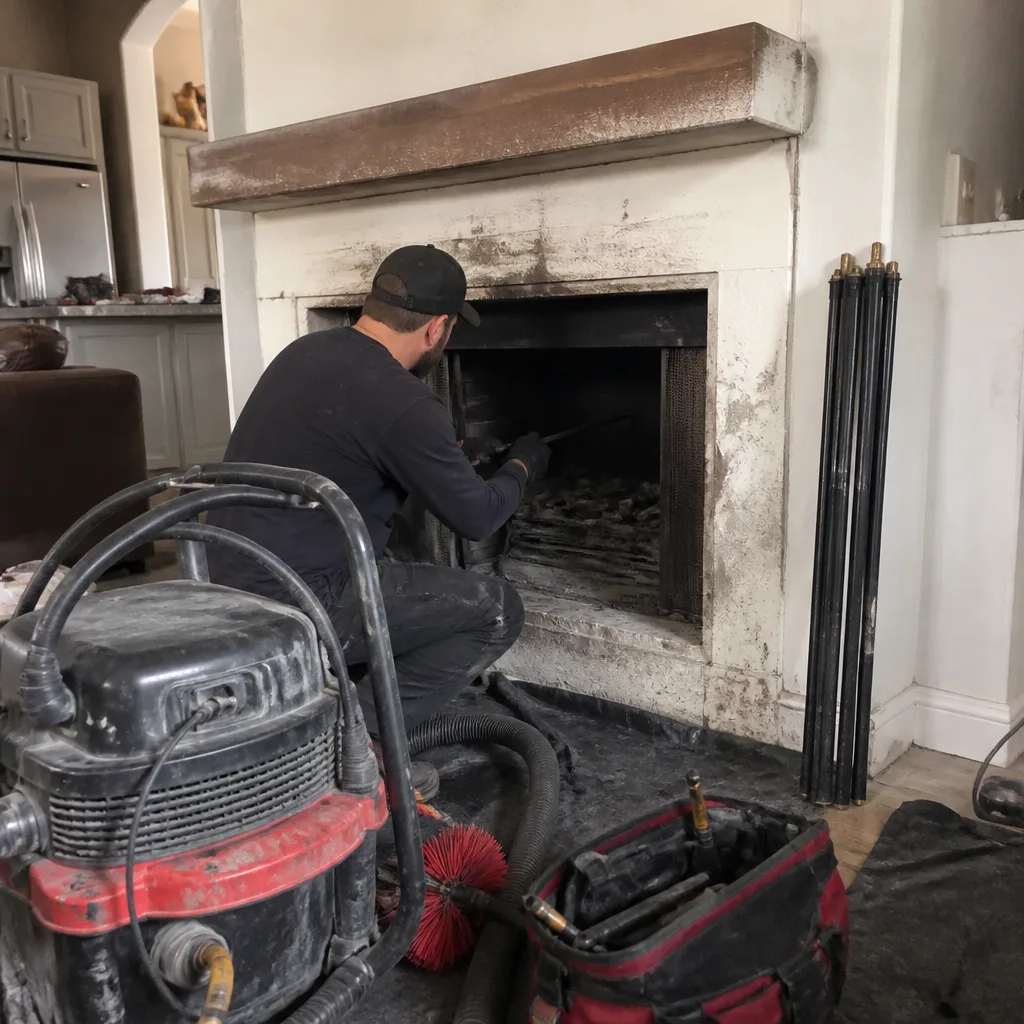 Before
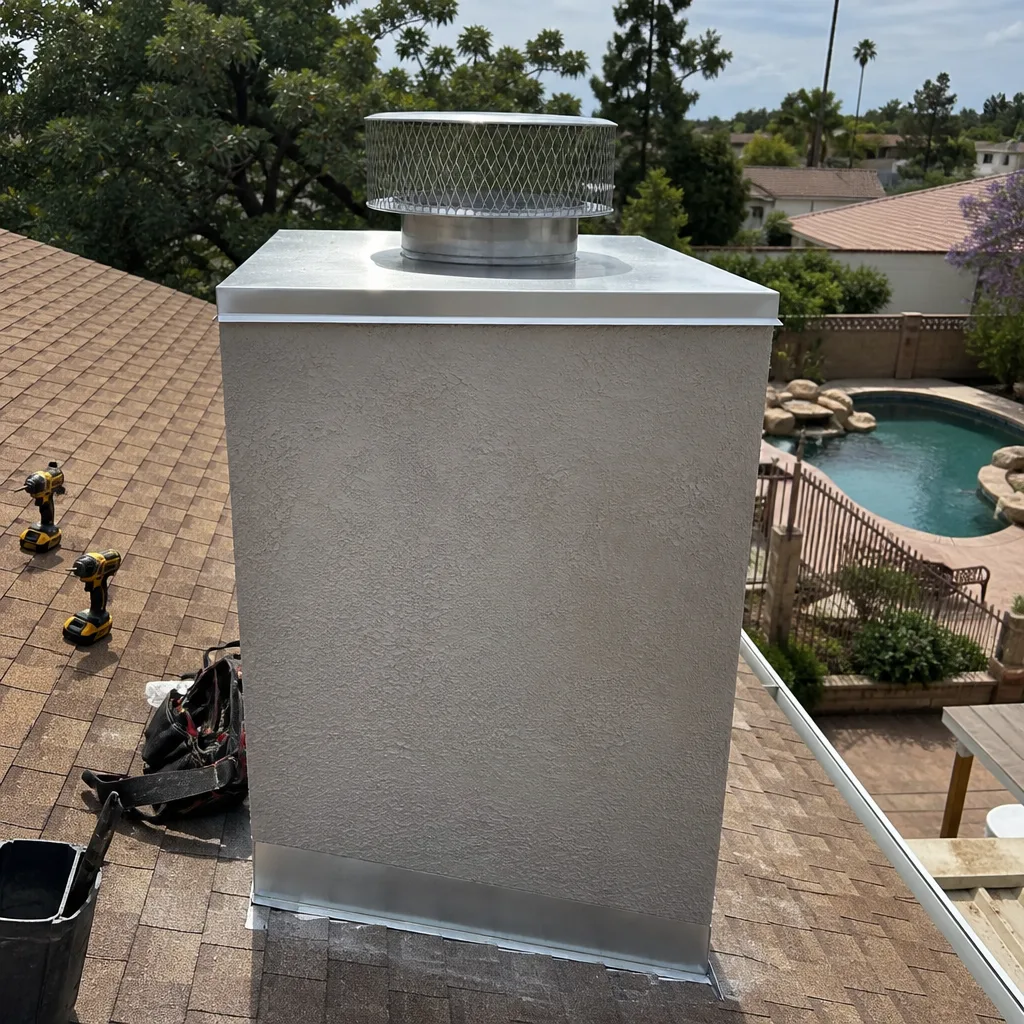 After
After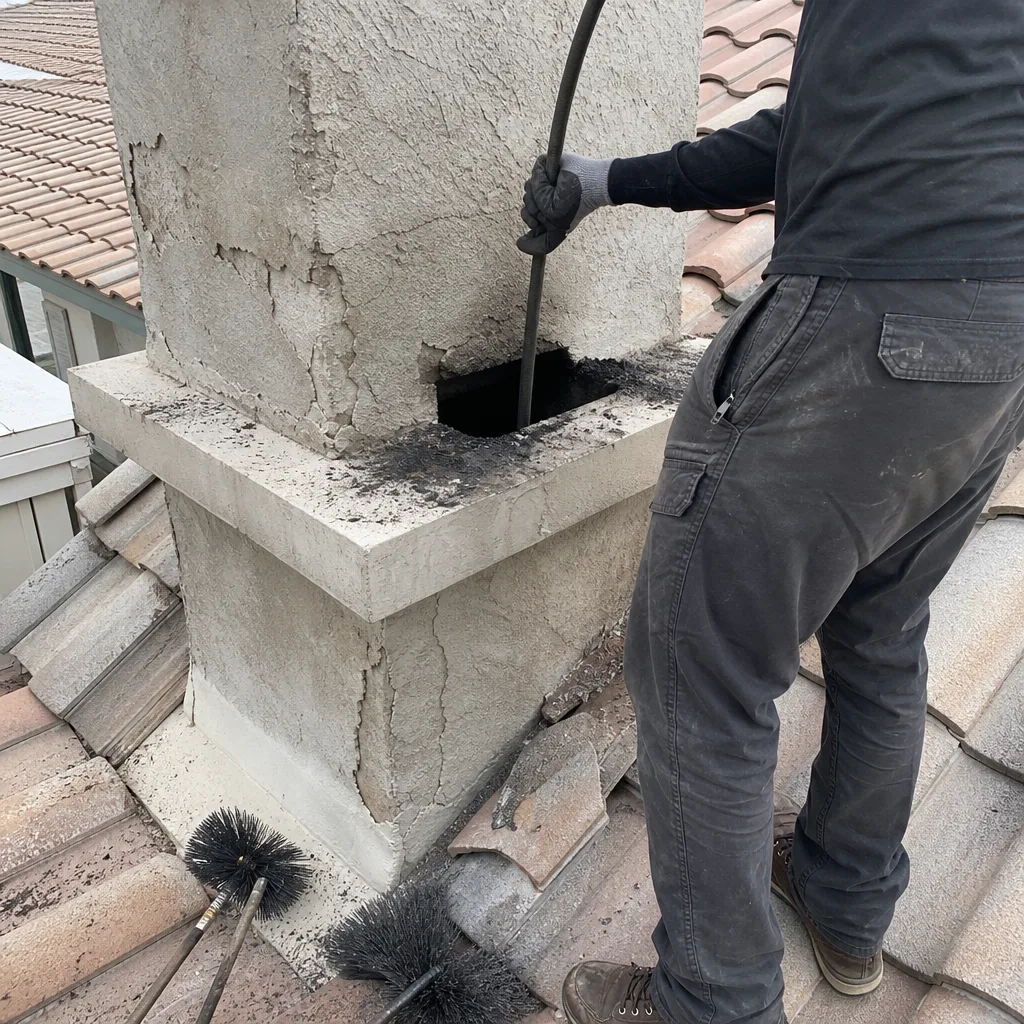 Before
 After
After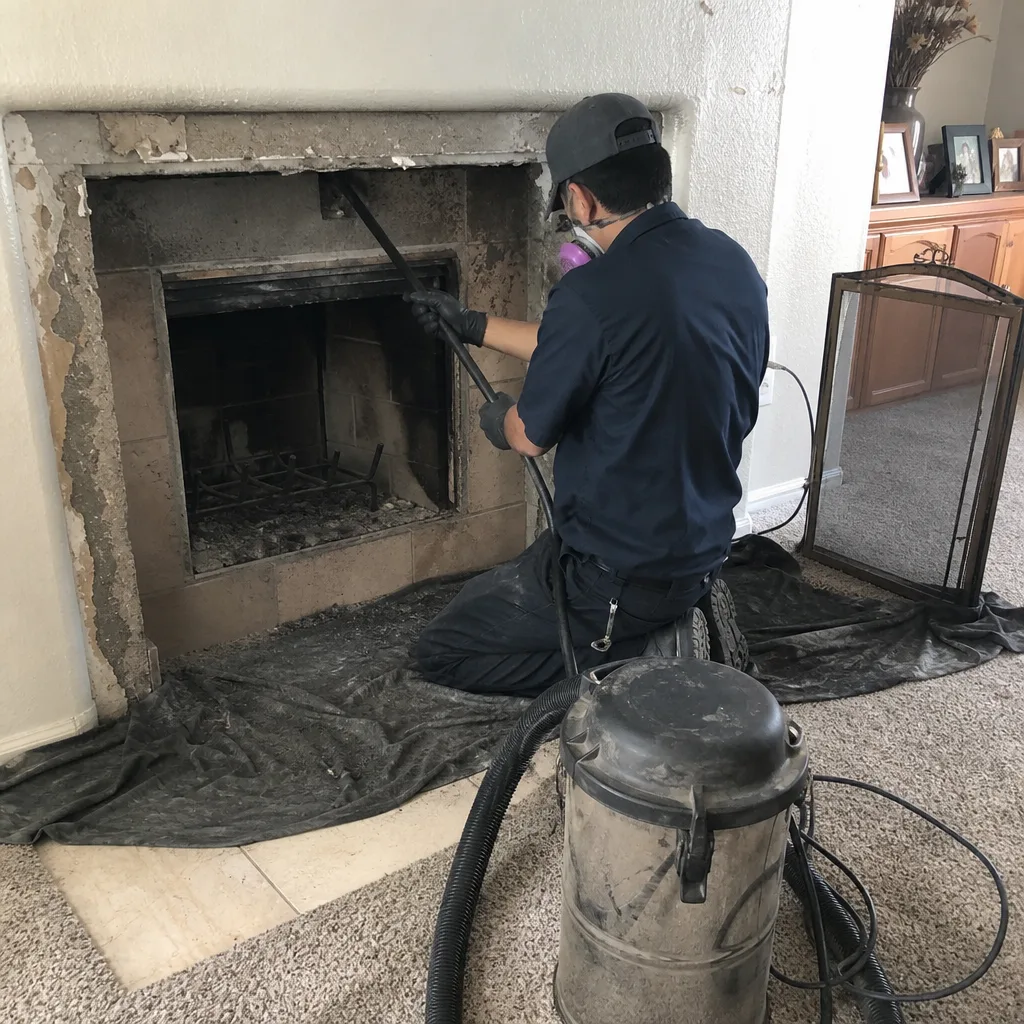 Before
 After
After