
Last updated October 15, 2026
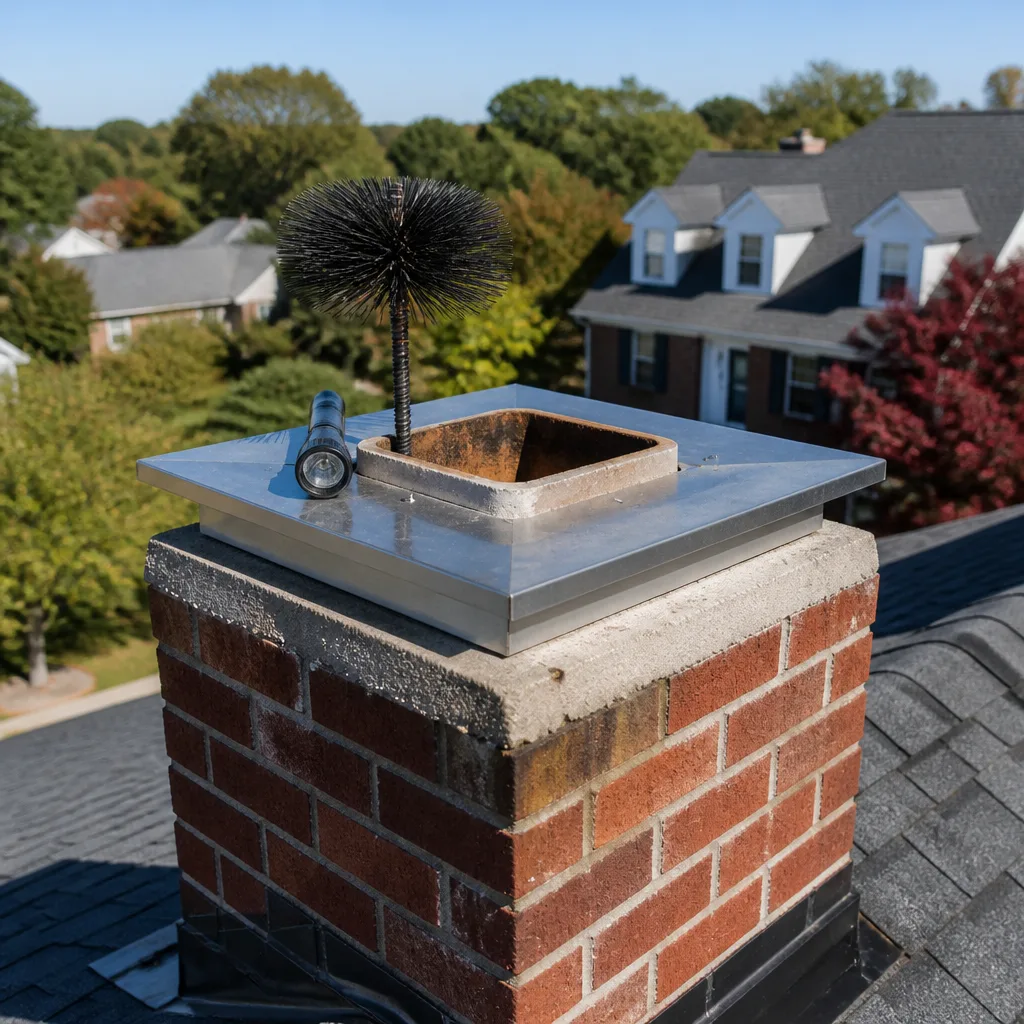 Sweep & inspection
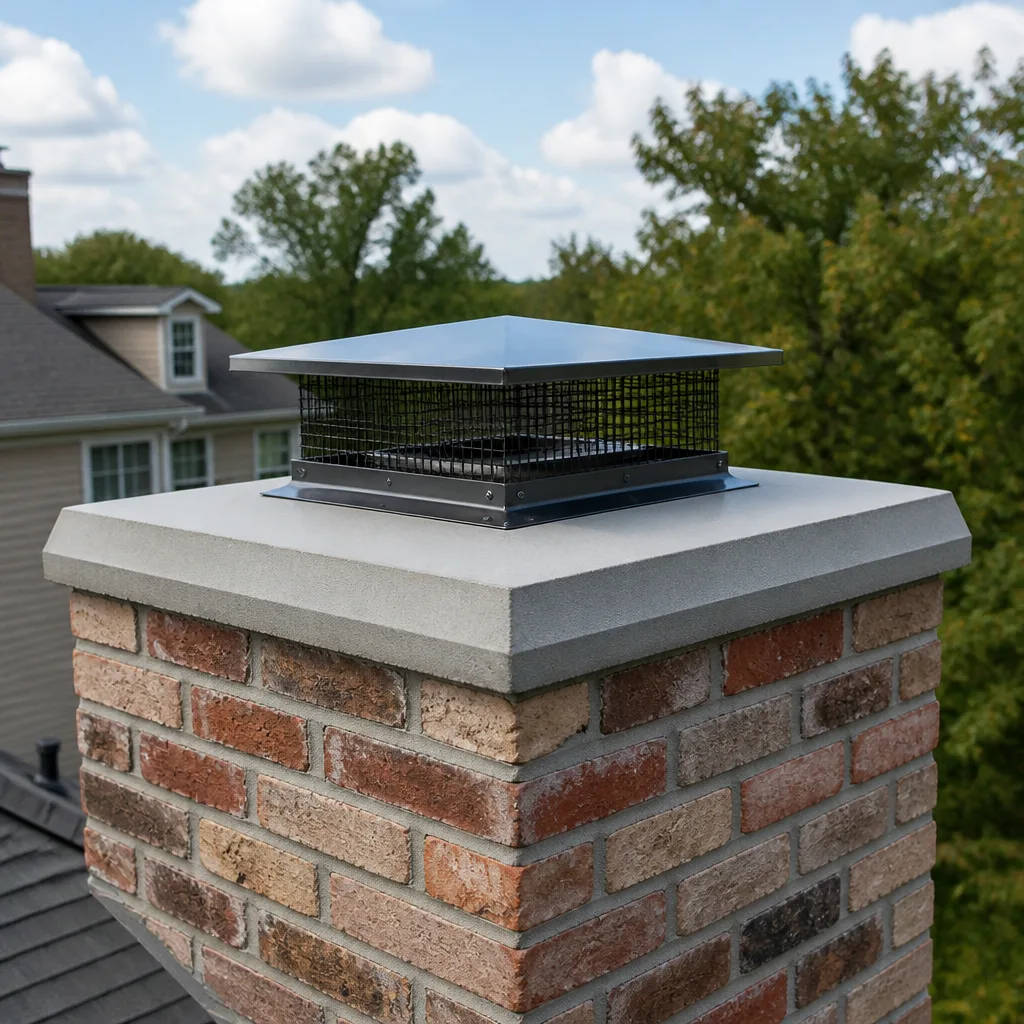 Caps & crowns
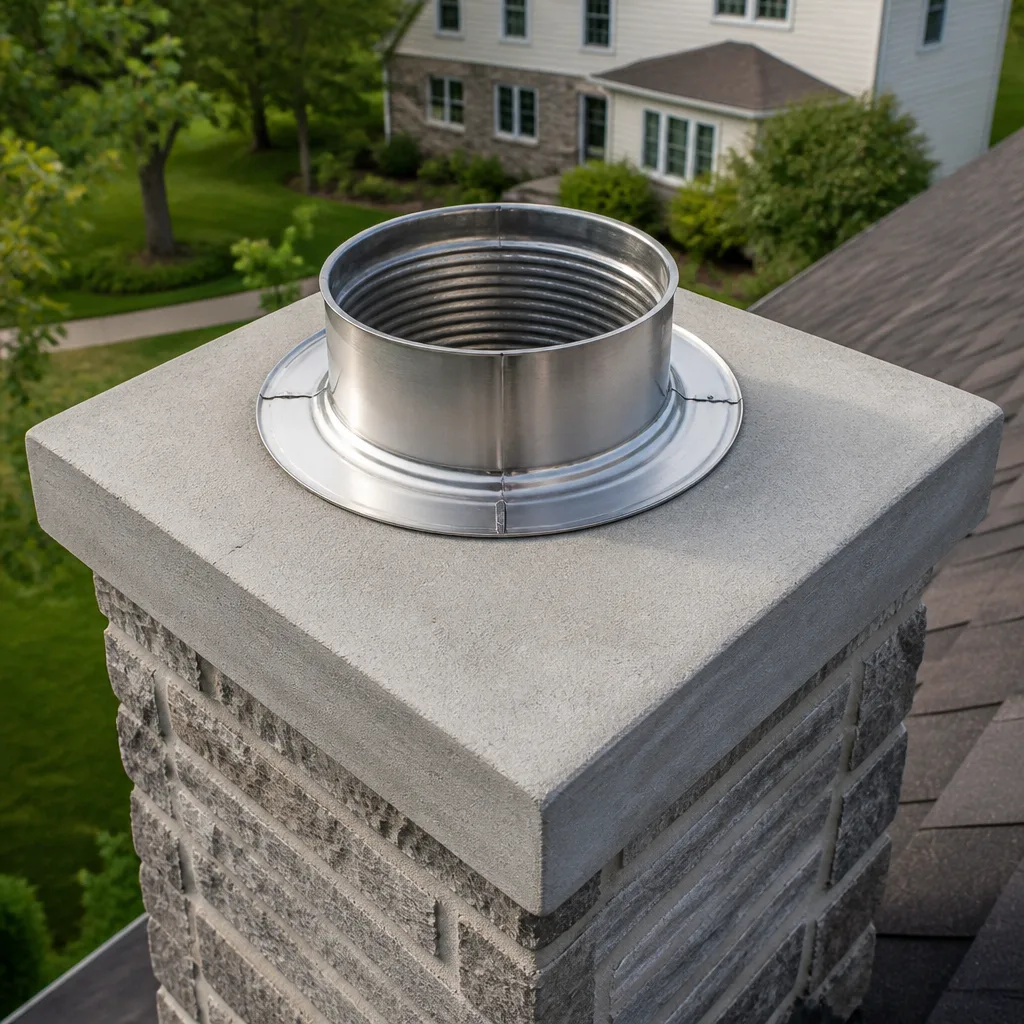 Flue relining
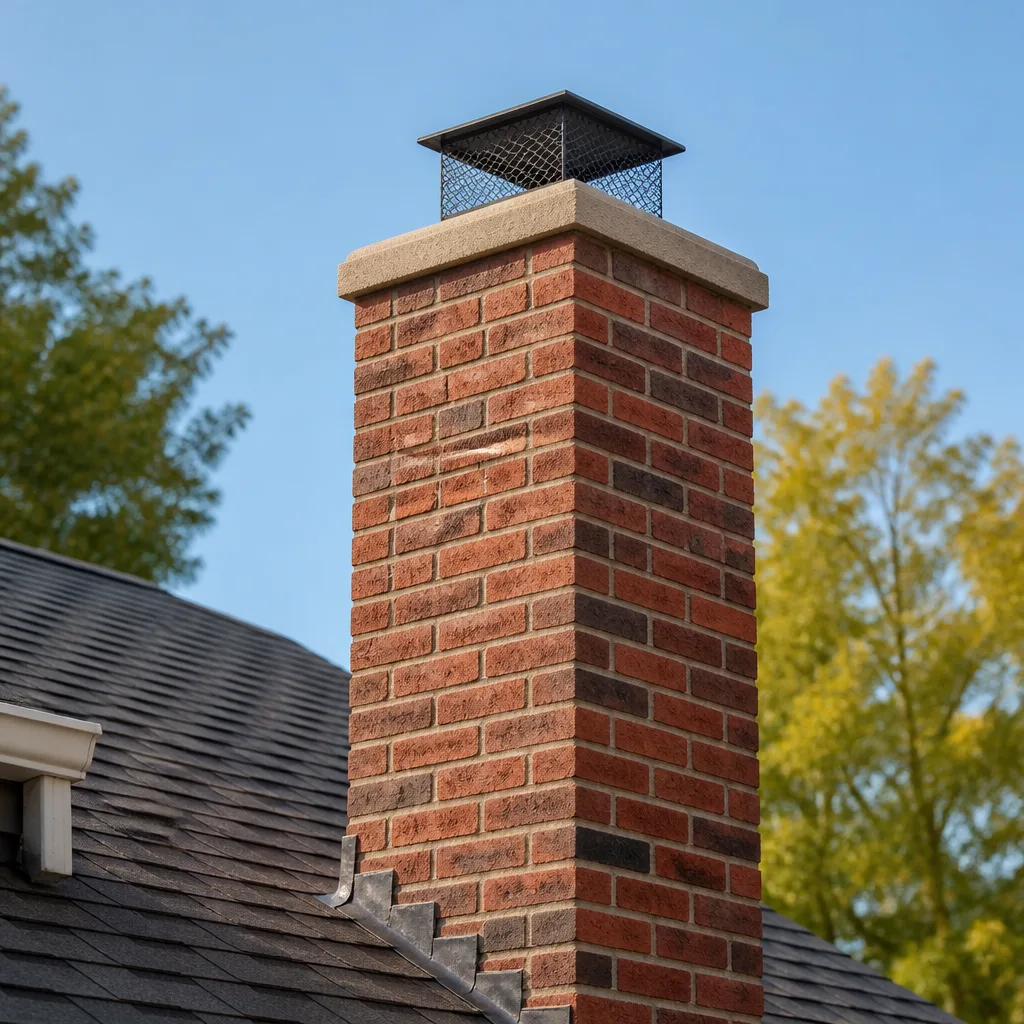 Masonry repair
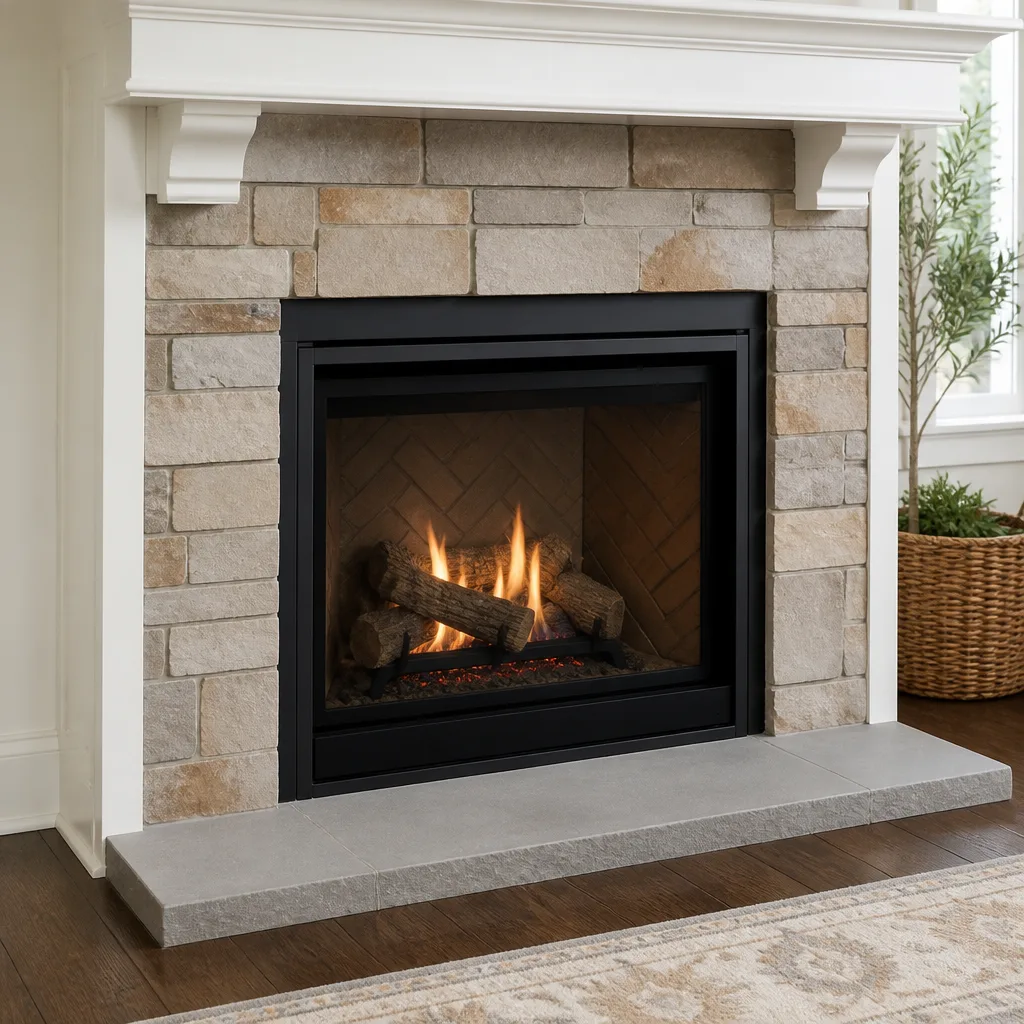 Gas fireplace service
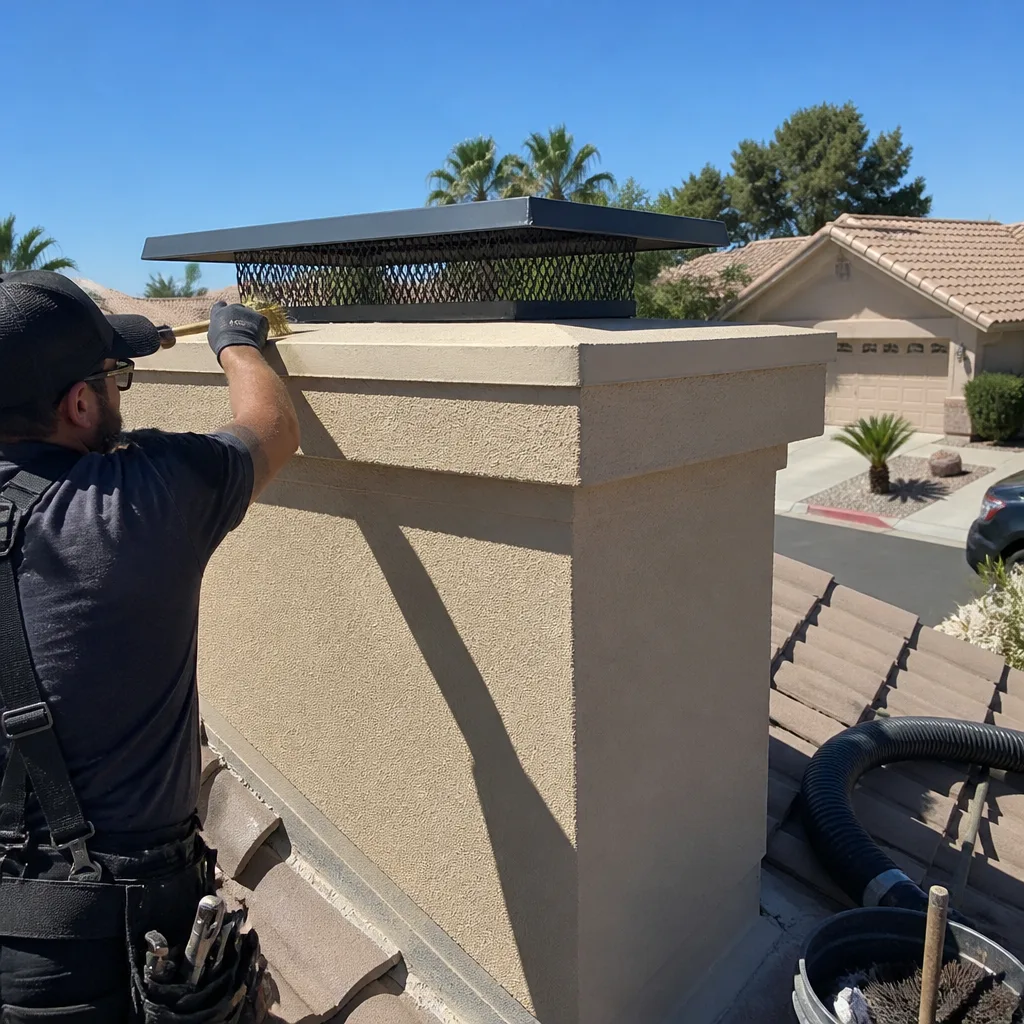
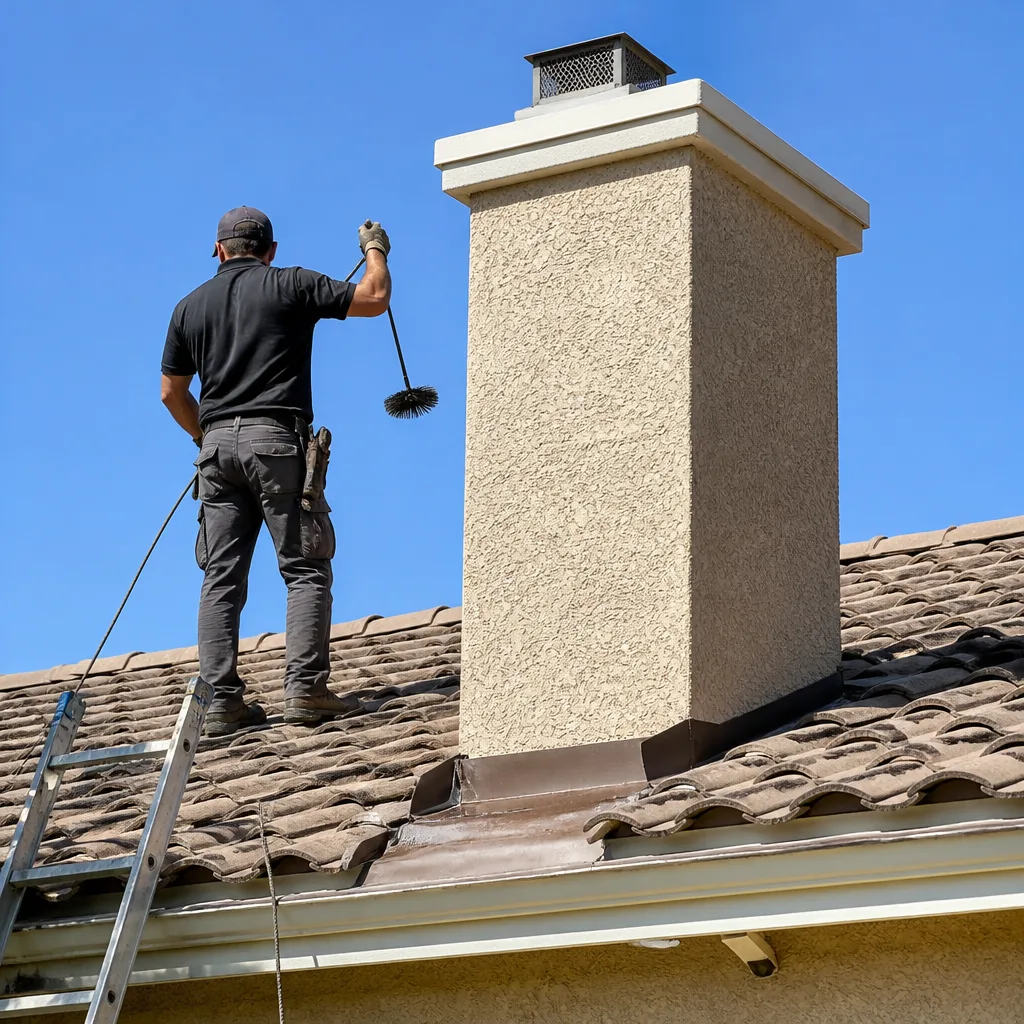
Level 1 sweep and inspection to the NFPA 211 annual standard - flue, crown, cap, and flashing checked and photographed
Chimney sweep logs do not sweep chimneys. They loosen some creosote - which then falls where a brush and vacuum still have to collect it.
Chimney Cleaning Warning Signs: A Las Vegas Homeowner’s Reference Guide
Here’s something most Las Vegas homeowners don’t realize: a chimney problem almost never starts on the roof. It starts in the living room, as a smell you can’t quite place, a stain above the mantel, or smoke that curls into the house instead of up the flue. These early symptoms show up weeks or months before a serious failure, and they map to specific parts of the chimney system with surprising consistency. This guide translates what you’re seeing and smelling into what’s actually happening inside your chimney, so you can describe the problem accurately before a technician ever rings your doorbell. For a deeper look at the full process, see The Complete Guide to Chimney Cleaning in Las Vegas. If you live in Las Vegas, where summer monsoons and winter fireplace use create a unique set of chimney stresses, this reference could save you thousands in avoidable repairs.
Styles & brands we work with
Quick Answer
Chimney warning signs fall into three categories: what you smell (musty, smoky, or animal odors), what you see inside the firebox (white staining, black tar-like glaze, rust streaks), and what’s visible from the ground outside (mortar deterioration, crown cracks, cap displacement). Any one of these is worth documenting with your phone and scheduling an inspection, but two or more together usually mean the fireplace should not be used until a professional has looked at it. Most warning signs point to water intrusion, creosote buildup, or a failing flue liner, all of which are fixable if caught before they compound.
Table of Contents
- Symptom-to-Component: What Each Odor Actually Means
- Inside the Firebox: Visual Signs You Can Identify Yourself
- Outside-the-Home Signs You Can Spot from the Ground
- Monitor-and-Schedule vs. Do-Not-Use: How to Tell the Difference
- How to Photograph Warning Signs for a Fast Diagnosis
- Las Vegas-Specific Risks: Monsoons, Heat, and Desert Air
- Common Mistakes to Avoid
- When to Call a Professional
- Frequently Asked Questions
- The Bottom Line
Symptom-to-Component: What Each Odor Actually Means
When a Las Vegas homeowner calls and says “there’s a smell coming from the fireplace,” that single symptom could mean five completely different things, and the technician who doesn’t ask follow-up questions before arriving is guessing, not diagnosing. Odors are the most common early warning sign of chimney trouble, and the character of the smell tells you which part of the system is failing. Here’s the translation guide we use with our own customers.
Musty, damp-earth smell in warm weather. This is almost always water. In Las Vegas, where we get intense monsoon downpours followed by weeks of 105-degree heat, moisture gets trapped in masonry that hasn’t been sealed properly. The smell comes from water-saturated bricks and mortar inside the chimney chase or flue. The component at fault is usually the crown (the concrete cap at the top of the chimney), the flashing (the metal seal where the chimney meets the roof), or a cracked cap that’s letting rain straight down the flue opening. We see this pattern constantly in neighborhoods like Summerlin and Green Valley, where homes were built in the late 1990s and early 2000s and original chimney crowns are now hitting the end of their service life.
Smoky or campfire smell when the fireplace isn’t in use. This points to creosote, the flammable tar buildup that makes chimneys a fire risk. When creosote accumulates inside the flue, it off-gases into the living space, especially on humid days or when air pressure in the home changes. A faint smoky note isn’t automatically dangerous, but a strong one usually means first- or second-degree creosote has built up along the flue walls. If the smell is sharp and acrid, like burnt plastic mixed with smoke, that’s third-degree creosote, a hardened, glazed residue that’s extremely flammable and requires professional removal. This is a do-not-use situation until a sweep has assessed it. Our Chimney Sweep in Las Vegas service handles creosote at every stage, and we document what we remove with photos so you can see the before-and-after for yourself.
Animal smell: urine, droppings, or decomposition. The Las Vegas valley is home to a healthy population of pigeons, sparrows, and squirrels, all of which see an uncapped chimney as premium real estate. The odor means an animal is nesting in the flue or has died in there. This is a health and safety issue, not just a smell problem: nesting material is highly flammable, and animal carcasses attract insects. The component involved is the chimney cap (missing or damaged) and the flue interior. Don’t try to smoke the animal out or reach into the flue; a trained technician will remove the animal or nest and then install a proper cap from a brand like Famco or Copperfield to prevent recurrence.
Sulfur or rotten-egg smell. If you have a gas fireplace or gas logs, this is the one warning sign to take most seriously. Natural gas is odorized with mercaptan, which smells like rotten eggs, precisely so you’ll notice a leak. Turn off the gas supply at the shutoff valve and call a professional immediately. In a wood-burning fireplace, a sulfurous note can sometimes come from coal or treated wood that’s been burned, but with gas, it’s always a leak until proven otherwise. Our Gas Fireplace Repair in Las Vegas technicians respond to gas-related concerns as a priority.
Inside the Firebox: Visual Signs You Can Identify Yourself
You don’t need to climb on the roof to catch most chimney problems in their early stages. The firebox itself, the area where the fire burns, is a diagnostic canvas. Here are the three visual warning signs we teach our customers to recognize, along with what each one means for the component behind it.
White staining on brick or stone (efflorescence). That chalky white residue is technically called efflorescence, and it’s mineral salt left behind when water evaporates from masonry. If you see it in the firebox, water is entering the chimney system somewhere above: through the crown, the flashing, or the brick veneer itself. Efflorescence isn’t dangerous on its own, but it’s proof of ongoing water intrusion, and in Las Vegas our freeze-thaw cycle is mild compared to other climates, so when we see it here, it usually means the water has been working on the masonry for years. Left unaddressed, the same moisture rots wood framing, rusts dampers, and cracks mortar joints. Schedule an inspection when you spot it, but you don’t need to stop using the fireplace that night.
Black tar-like deposits on flue tiles or the firebox walls. When you see shiny, black, glassy buildup that looks like tar, you’re looking at third-degree creosote, the most dangerous form. It develops when creosote condenses, bakes, and hardens into a glaze that’s difficult to remove and exceptionally flammable. In Las Vegas, where dry desert air and hot summer temperatures accelerate creosote hardening, glazed creosote forms faster than in more humid climates. If you see this, stop using the fireplace immediately and book a sweep. In our experience, homes that burn pine or other softwoods, common in the Las Vegas area, develop this faster than properties using hardwoods exclusively.
Rust streaks, especially below the damper or in the ash pit area. Rust anywhere in the firebox means metal components are getting wet. The damper, the metal plate that opens and closes the flue, is the most common rust point. A rusted damper eventually seizes, either stuck open (letting conditioned air escape all summer) or stuck closed (making the fireplace unusable). Rust streaks below the firebox can also indicate the ash dump door is corroding. Either way, water is finding its way in, and the rusty component will need replacement, not just cleaning. Brands like Copperfield make replacement dampers and ash dump assemblies that are widely used across Las Vegas chimney repair companies because they stand up to our climate.
Outside-the-Home Signs You Can Spot from the Ground
You can catch many Las Vegas chimney problems from your driveway with nothing more than a good look and maybe your phone’s zoom. Here’s what to scan for on your next walk around the house, and what each sign tells you.
Mortar deterioration: missing, crumbled, or recessed mortar between bricks. Masonry chimneys in Las Vegas face a specific challenge: extreme heat cycles. Daytime temperatures can swing 30 to 40 degrees, and brick and mortar expand and contract at slightly different rates. Over a decade or two, the mortar joints crack and powder. If you can run your finger along a joint from the ground and see crumbs falling, the chimney is losing structural integrity. This is called spalling when bricks themselves start to flake, and it’s a repointing job, removing the old mortar and replacing it. It won’t get cheaper if you wait.
Crown cracking: visible cracks in the concrete cap at the chimney’s top. The crown is the first line of defense against water. In Las Vegas, crowns poured with improper mix or without reinforcing break down under UV exposure and thermal stress. A hairline crack lets water seep into the chimney structure, and that water expands when the brick heats up from fireplace use, widening the crack. If you can see cracks from the ground, they’re already significant. Sealant might buy time, but most cracked crowns we see in Las Vegas homes need replacement or a proper repair compound. HeatShield, a ceramic repair material used widely in our industry, can resurface damaged crowns and fireboxes in many situations.
Cap displacement: a crooked, missing, or leaning chimney cap. The cap sits at the very top, and its job is to keep rain, animals, and debris out while letting smoke escape. Las Vegas wind storms, especially the spring gusts that hit 40 to 50 mph, can loosen caps or blow them clean off. A missing cap is an open invitation for pigeons and monsoon rain. A leaning cap means the anchor points or the crown beneath it are failing.
Dark staining or streaking on exterior brick. Black or dark brown streaks running down the chimney’s exterior face usually indicate one of two things: water staining from years of exposure, or creosote leaching through the masonry from inside. The second is the more serious reading, because it means creosote has saturated the flue and is working its way outward through the brick. Either way, the exterior staining warrants a closer look, and our Chimney Repair in Las Vegas team can tell you within one visit whether you’re dealing with a cosmetic issue or an internal one.
Monitor-and-Schedule vs. Do-Not-Use: How to Tell the Difference
Not every warning sign requires you to board up the fireplace tonight. Some are slow-moving conditions that can wait a week or two for a scheduled inspection. Others mean every additional fire risks a chimney fire or carbon monoxide exposure. Here’s how to sort them.
Monitor and schedule within the next few weeks:
- Faint musty odor on humid days only
- Light efflorescence (white staining) on firebox or exterior brick
- Minor mortar cracking with no missing chunks
- Cap that’s slightly askew but still attached
- Rust on the damper handle but the damper still operates
- Small amounts of flaky creosote visible in the firebox
These conditions are early-stage. They won’t get dramatically worse in two weeks, and they don’t pose an immediate fire or carbon monoxide risk. Book a sweep or inspection on your timeline, and if the appointment is a few weeks out, the fireplace can generally continue to be used with caution. For a printable reference of what to check, see our Chimney Sweep Maintenance Checklist for Las Vegas Homeowners.
Do not use the fireplace until inspected:
- Strong smoky smell when the fireplace is cold. This suggests significant creosote buildup, and every fire adds to it.
- Shiny, tar-like glazed creosote visible on flue tiles. Third-degree creosote can ignite at flue temperatures that a normal fire easily reaches.
- Smoke entering the room during normal use. This means the flue is obstructed or the draft has failed, and you’re inhaling combustion byproducts.
- Animal sounds or odors from the chimney. Nests are a fire hazard and the animal itself may be blocking the flue.
- Sulfur or rotten-egg smell with a gas fireplace. Treat this as a gas leak. Shut off the gas and call.
- Loose bricks or chunks of masonry falling onto the hearth. Structural failure is underway.
If you’re in the second category, call us or another qualified chimney company as soon as possible. A chimney fire in Las Vegas can spread to the roofline in minutes, and carbon monoxide from a blocked flue is odorless and deadly. This isn’t the place to wait and watch.
How to Photograph Warning Signs for a Fast Diagnosis
One of the best things about working with a company that documents everything with photos is that we can often give you a preliminary assessment before we even arrive. But the photos need to be useful. Here’s how to shoot warning signs so a technician can actually read them.
- Shoot the firebox straight-on from sitting height. Kneel or sit so the camera is level with the firebox opening, not angled down from standing. This shows the angle of the flue and the condition of the firebox walls.
- Get close-ups of any staining or deposits. Use your phone’s macro or close-focus mode about six inches from the surface. Natural daylight through a window works better than flash for showing texture.
- Photograph the damper from below. Lie on your back with your head at the hearth opening and shoot straight up into the flue. Use flash. This is the hardest shot to get and the most useful for a remote assessment.
- Capture exterior shots from two angles. One from the ground at the base of the chimney looking up, and one from across the street or yard showing the full height. Zoom in on the crown and cap from the ground even if it’s not perfectly clear.
- Document room-level symptoms too. Stains above the mantel, smoke marks on the wall, and water spots on the ceiling near the chimney all tell part of the story.
- Include a reference object for scale. A quarter or a set of keys in the frame next to a crack or stain gives the technician a sense of size.
Send these photos when you book, or share them with the technician on arrival. At Hadley Chimney Las Vegas, we send before-and-after photos of our own work on every job, and we’re happy to review your photos before the visit so the technician arrives already knowing what to look for.
Las Vegas-Specific Risks: Monsoons, Heat, and Desert Air
Chimneys in Las Vegas age differently than chimneys in Seattle or Chicago, and understanding the local conditions helps you recognize warning signs earlier. Here’s what the Mojave Desert does to chimney systems.
Monsoon season water intrusion. From July through September, Las Vegas gets sudden, intense downpours that drop a lot of water in a short time. Our roofs and chimneys are not designed for sustained rain the way homes in wetter climates are. A small crown crack or flashing gap that would be a minor problem in a rainy city becomes a major water intrusion point here because the infrastructure isn’t built around handling it. After any big monsoon, check for new water stains near the fireplace or dark streaks on the exterior brick.
Extreme heat and UV exposure. Las Vegas gets over 300 sunny days per year, and UV radiation breaks down sealants, waterproofing compounds, and crown materials faster here than almost anywhere else in the country. A crown that might last 30 years in the Pacific Northwest can crack in 15 to 20 years in Las Vegas. If your home is 15 years old or more, an exterior chimney inspection is overdue even if you haven’t noticed any problems. We’ve seen Summerlin and Anthem homes from the early 2000s with original crowns already beyond saving.
Desert dust and creosote interaction. The dry, dusty environment of the Las Vegas valley means fine particulate matter hangs in the air and settles inside chimneys. This dust mixes with creosote to form a denser, harder deposit that’s more difficult to remove and more conductive to chimney fires. Homeowners who burn firewood regularly in Las Vegas should expect to sweep more frequently than the standard “once a year” advice, and creosote gets progressively harder to remove the longer it sits.
Wind-driven rain and cap stress. The same spring winds that make Las Vegas unpleasant for patio furniture also batter chimney caps and crowns. Wind-driven rain enters flues at angles that vertical rain doesn’t, and if your cap is undersized or slightly misaligned, a storm out of the northwest can push water straight down the flue while the rest of your roof stays dry. This is why we recommend checking the cap after any wind event above 35 mph.
Common Mistakes to Avoid
- Waiting until fall to inspect. Las Vegas chimney companies get booked solid in October and November, when everyone suddenly remembers the fireplace exists. Inspecting in late summer means you’ll beat the rush, and any repairs get done before the first cold night.
- Ignoring a faint musty smell because it’s intermittent. Water intrusion doesn’t fix itself. The smell may come and go with humidity, but the water is in your masonry every single time it rains. By the time the smell is constant, the damage is significantly worse.
- Burning unseasoned or soft wood to save money. Pine and other softwoods are cheap and abundant in the Las Vegas area, but they produce far more creosote than hardwoods. The money saved on wood gets spent on more frequent sweeps, and the creosote buildup is a legitimate fire risk in between.
- Using the fireplace as a primary heat source without checking the flue. Houses in Las Vegas weren’t designed for continuous wood-burning heat the way homes in colder climates are. Running a fire every night through the winter builds creosote fast, and many local flues are unlined or under-lined, making them particularly vulnerable. Never assume the flue is in good shape just because the fireplace was there when you moved in.
- Attempting to remove a bird or animal nest yourself. Las Vegas has a long warm season, and squirrels may have young in the nest during spring and summer. Reaching into the flue from below, or trying to flush animals out with water or smoke, often makes things worse and can injure the animal or damage the flue. A professional will handle removal and cap installation safely.
- Treating the chimney as separate from the roof. Many Las Vegas homeowners get a roof replacement and assume the chimney flashing was handled. It often isn’t, because roofers and chimney specialists work on different systems and a roofer may not inspect the crown or flue. After any roofing work, have the chimney inspected separately.
When to Call a Professional
Any of the do-not-use signs described above warrant an immediate call. Beyond that, call a professional if you have not had your chimney inspected in the past 12 months and you plan to use the fireplace this season. If you’ve noticed any odor, staining, or smoke behavior change, or if your home is in a Las Vegas neighborhood with homes built before 2010, an inspection now costs far less than the liner replacement or crown rebuild that comes later. Hadley Chimney Las Vegas offers free estimates in Las Vegas, call (725) 600-0308 and a live person will answer 24/7 to book your visit. You’ll get a written price before any work begins, photos of whatever we find, and a written guarantee on every repair.
Frequently Asked Questions
In Las Vegas, we recommend a sweep after every cord of wood burned, or at minimum once per year if you use the fireplace regularly. The dry desert air causes creosote to harden faster than in humid climates, and desert dust mixes with creosote to form a denser, more flammable deposit. Homes that burn softwood like pine should sweep even more frequently. Call (725) 600-0308 for a free estimate and we’ll assess your specific buildup.
A musty smell from the fireplace in summer means water is getting into the chimney system, usually through a cracked crown, failed flashing, or a missing cap. In Las Vegas, monsoon rains create exactly the conditions that expose these weaknesses. The smell may come and go, but the water intrusion is constant, and it will damage masonry and metal components over time. A professional inspection will pinpoint the entry point. Call (725) 600-0308 to book a free estimate.
Light white staining, called efflorescence, means water has entered the masonry but does not by itself make the fireplace unsafe to use. You should schedule an inspection to find the water source, but you can generally continue using the fireplace in the meantime. If the staining is accompanied by a musty smell, smoke entering the room, or shiny black creosote, stop using it until inspected. Call (725) 600-0308 and we’ll assess it.
Signs that a flue liner is failing include flaky tile pieces falling into the firebox, glazed creosote that won’t come clean, visible gaps between flue tiles, and smoke entering the home. In Las Vegas, many homes built before the 1990s have clay tile liners that are now cracked or deteriorating. A camera inspection is the only way to know definitively, and we won’t recommend a new liner without showing you the footage. For a free estimate, call (725) 600-0308.
A chimney sweep is the physical cleaning of the flue, removing creosote and soot. An inspection is a diagnostic evaluation of the entire system, including the flue liner, crown, flashing, cap, firebox, and damper. We recommend a Level 1 inspection with every sweep, and a more thorough Level 2 inspection when buying a home or after a chimney fire. Hadley Chimney Las Vegas provides both services, and every job includes photo documentation so you can see exactly what we found. Call (725) 600-0308 to book.
Chimney repairs are typically covered by insurance only when the damage results from a covered peril like a windstorm, lightning strike, or a chimney fire. Water damage from an aging crown or failed flashing is usually considered maintenance neglect and is denied. Sudden wind damage to a cap during a documented storm, which does happen in Las Vegas, may be covered, but you should document the damage with photos and file quickly. Our written documentation and photo reports help support your claim. Call (725) 600-0308 for an assessment.
The Bottom Line
Chimney warning signs are specific, readable, and almost always traceable to a single component: an odor maps to water intrusion, creosote, or animals; a visual sign maps to the crown, flashing, flue liner, or cap. Learning to read what your Las Vegas home is telling you makes you a better homeowner and turns chimney maintenance from a surprise expense into a scheduled, budgetable one. The chimney industry has historically run on vague diagnoses and surprise bills, and Hadley Chimney Las Vegas exists to change that. Written prices before work begins, photographic proof of everything we find and everything we fix, and a 365-Day Done Right Promise on every repair. Founded in 2003, we’ve served Las Vegas homeowners through two decades of monsoons, heat waves, and fireplace seasons, and our Hadley Chimney Las Vegas home page has everything you need to book.
Written by Cory Mitchell, Owner at Hadley Chimney Las Vegas, serving Las Vegas since 2003.
See the difference
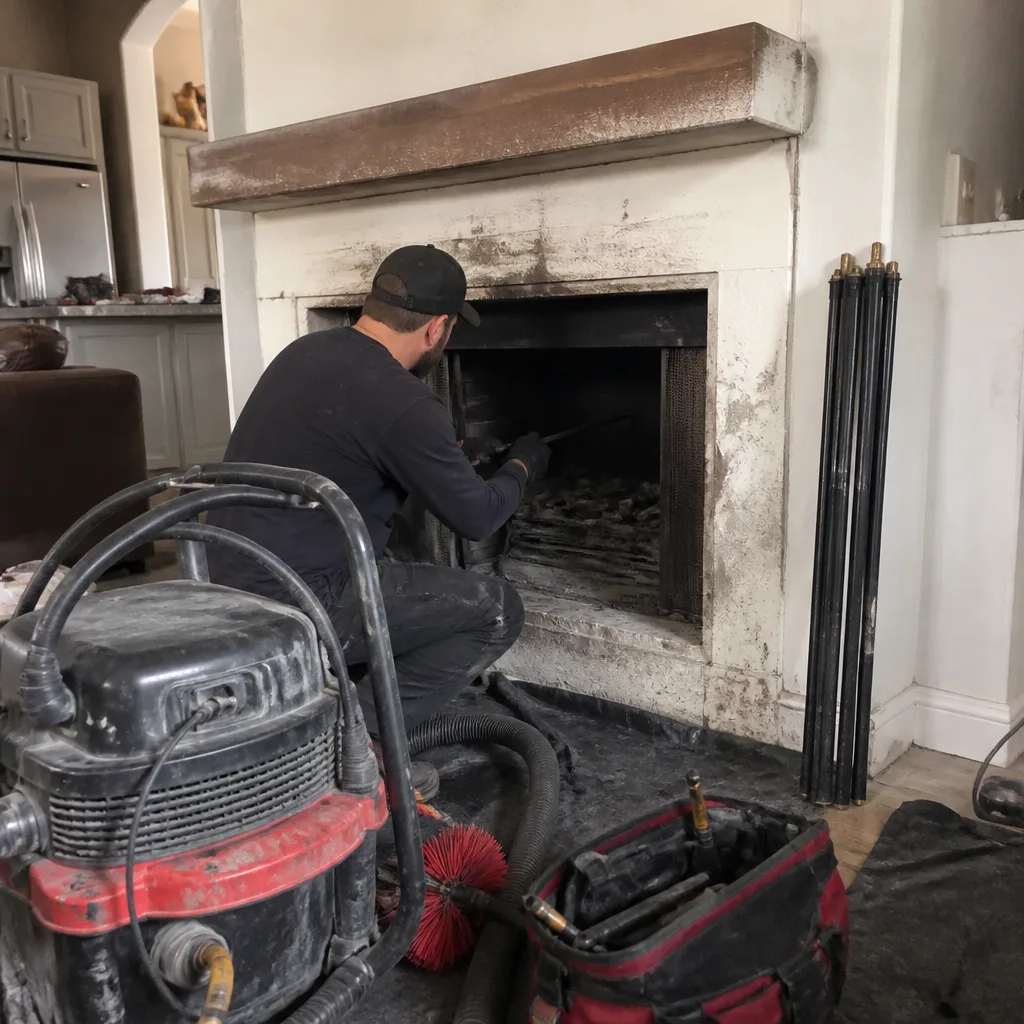 Before
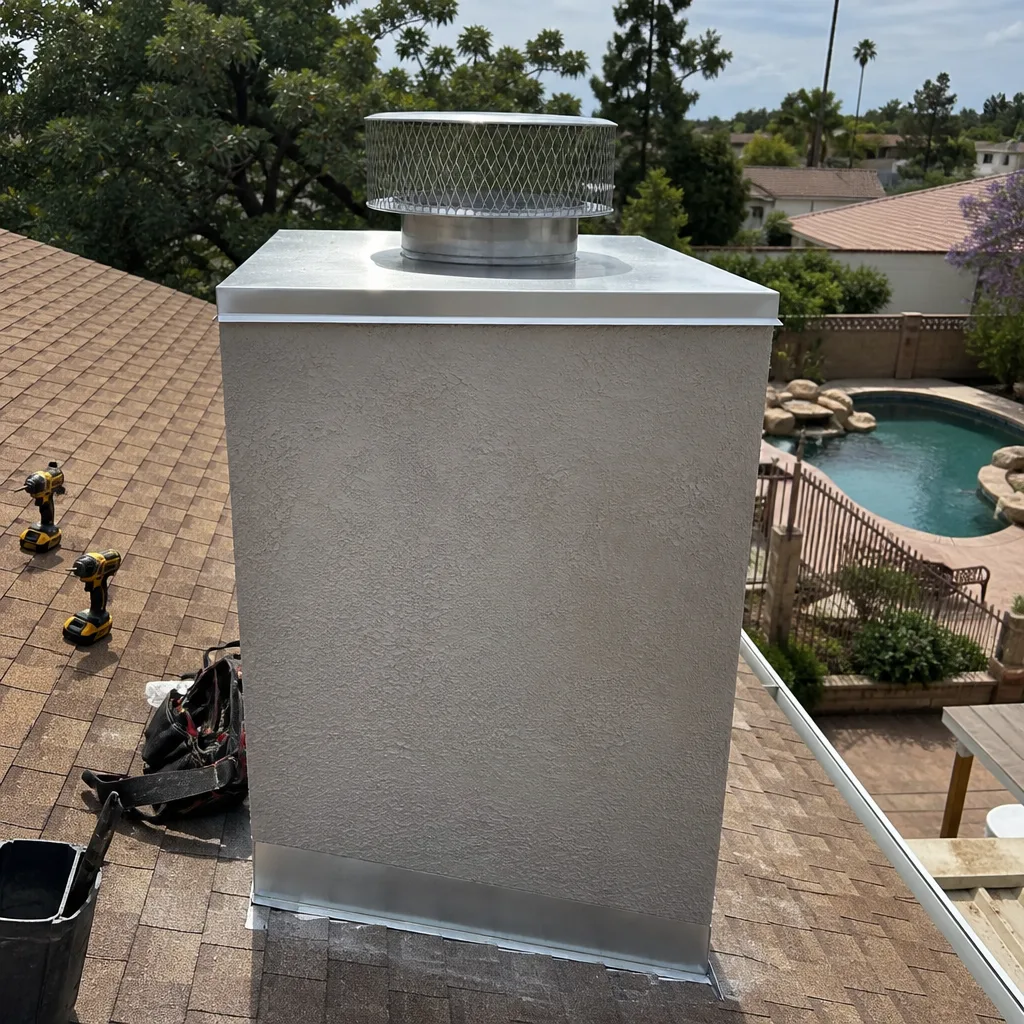 After
After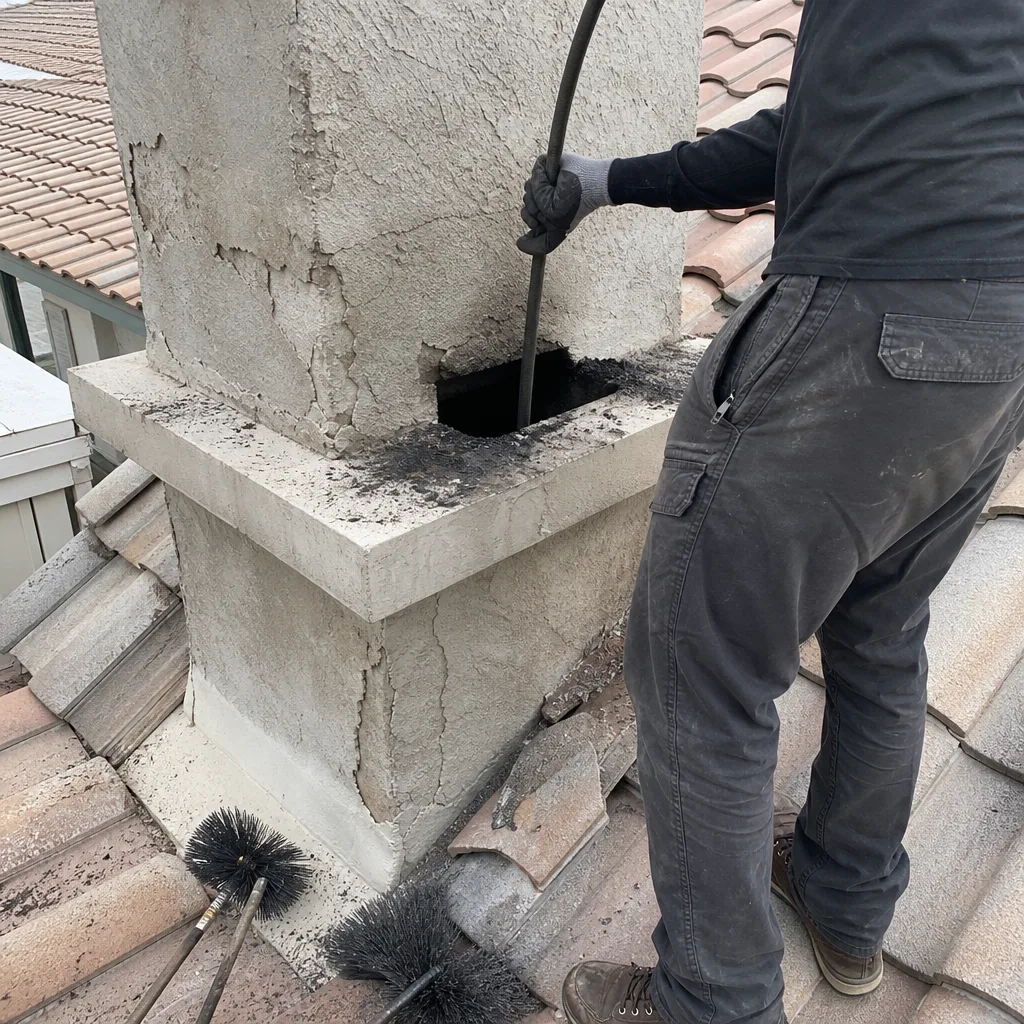 Before
 After
After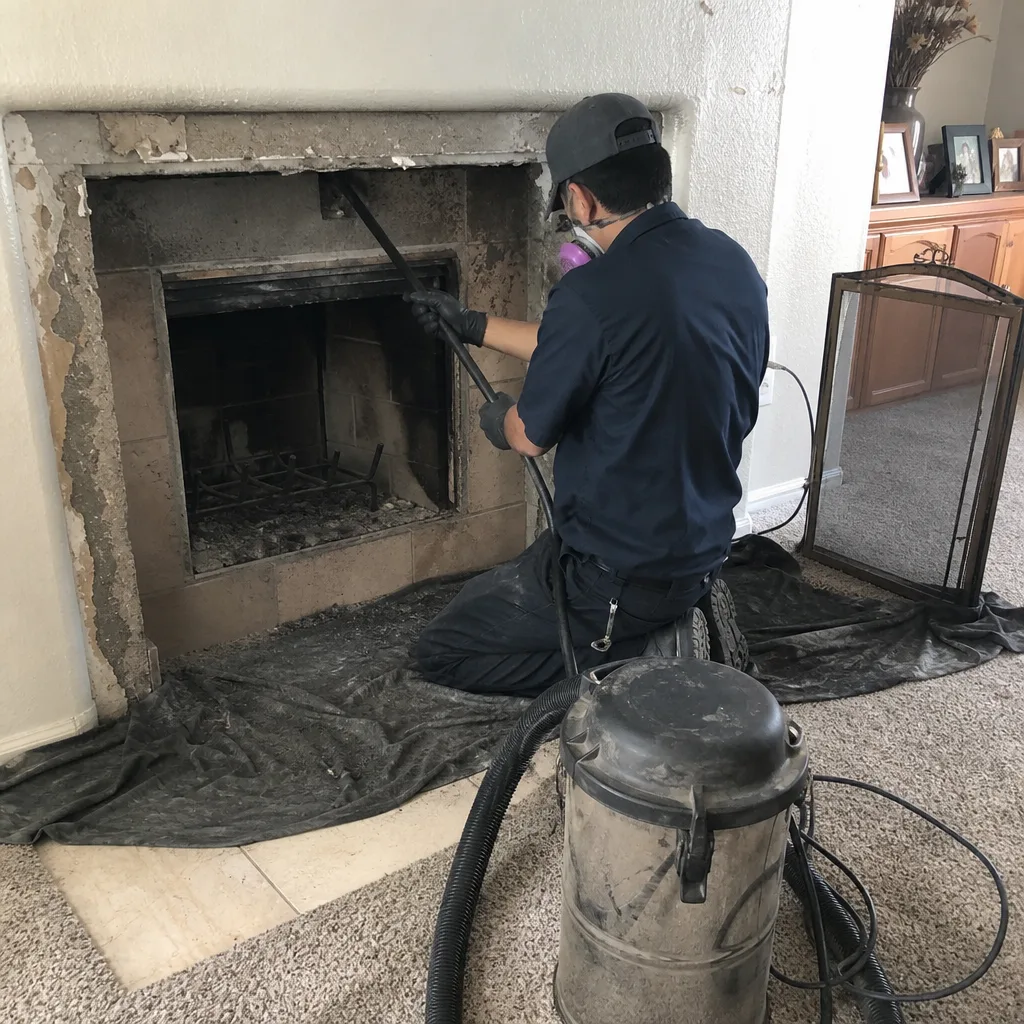 Before
 After
After