
Last updated October 15, 2026
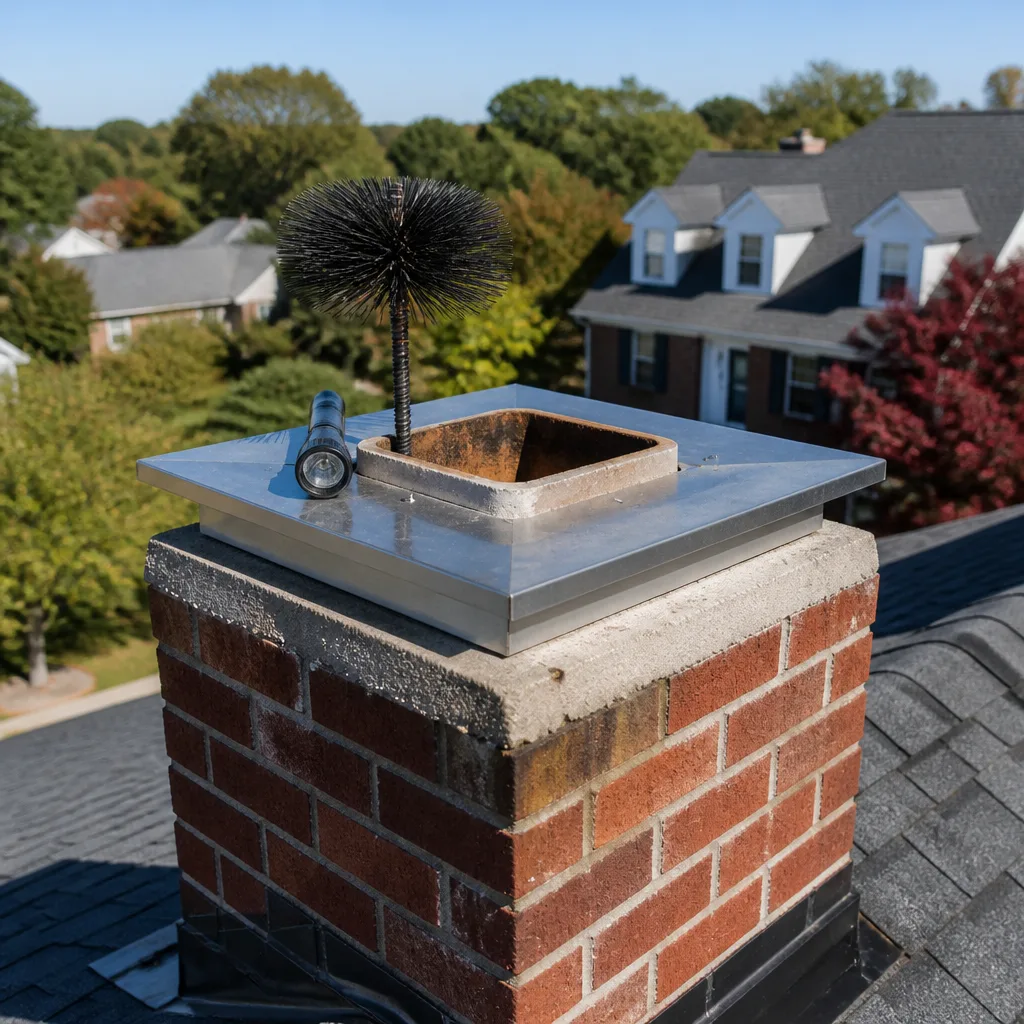 Sweep & inspection
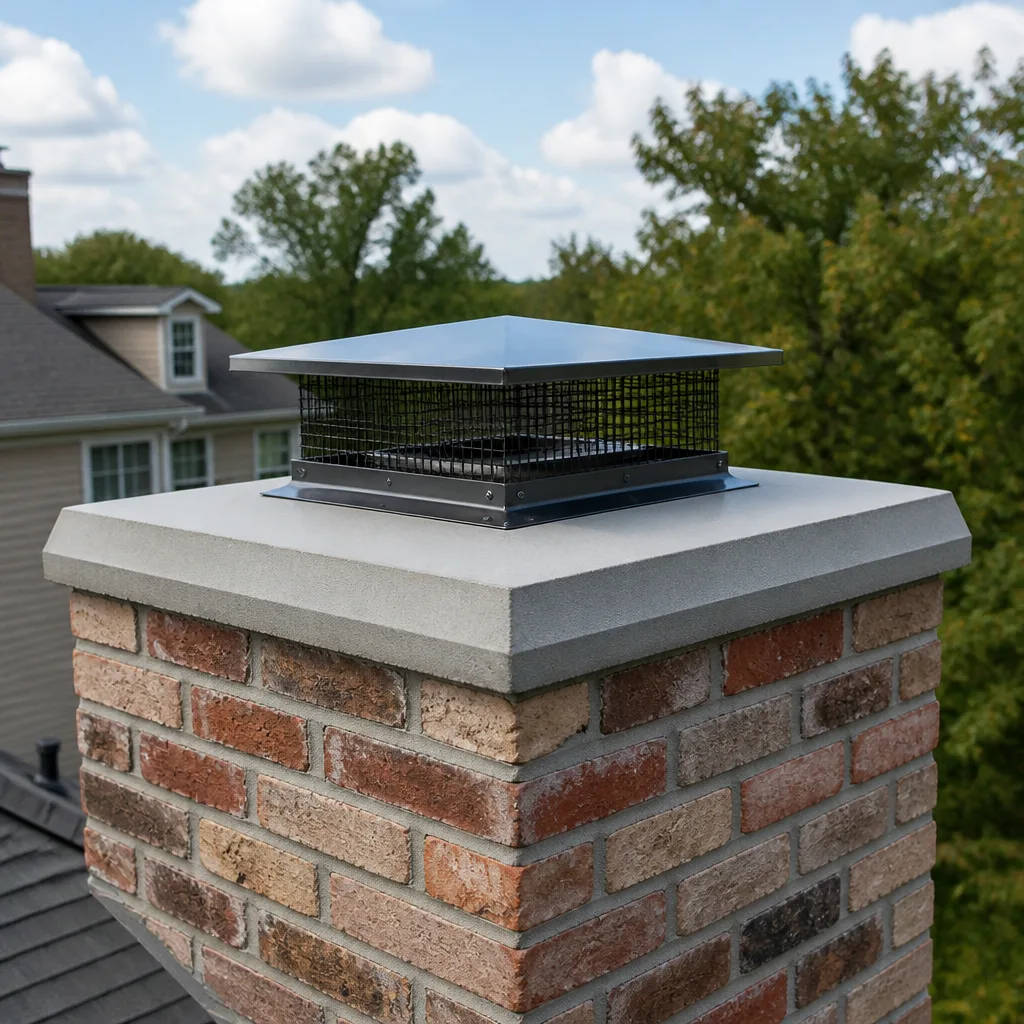 Caps & crowns
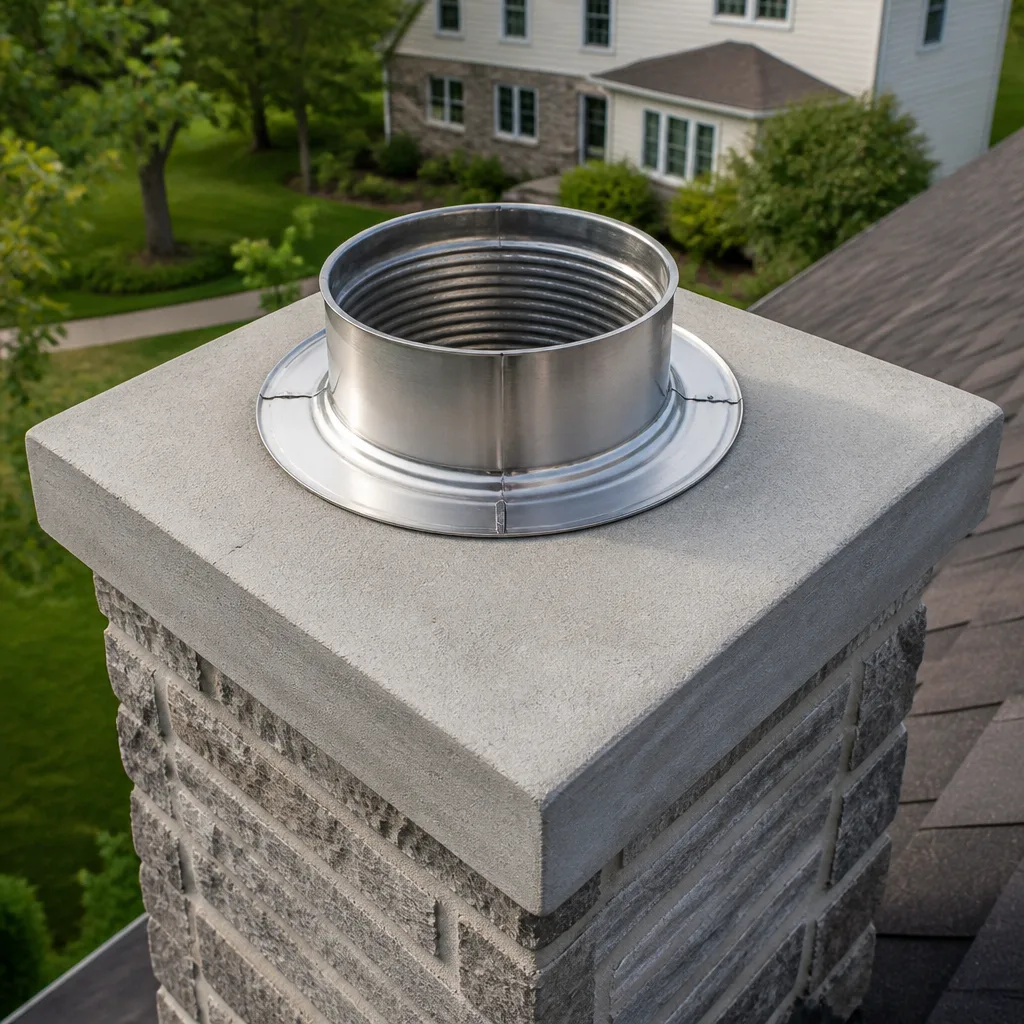 Flue relining
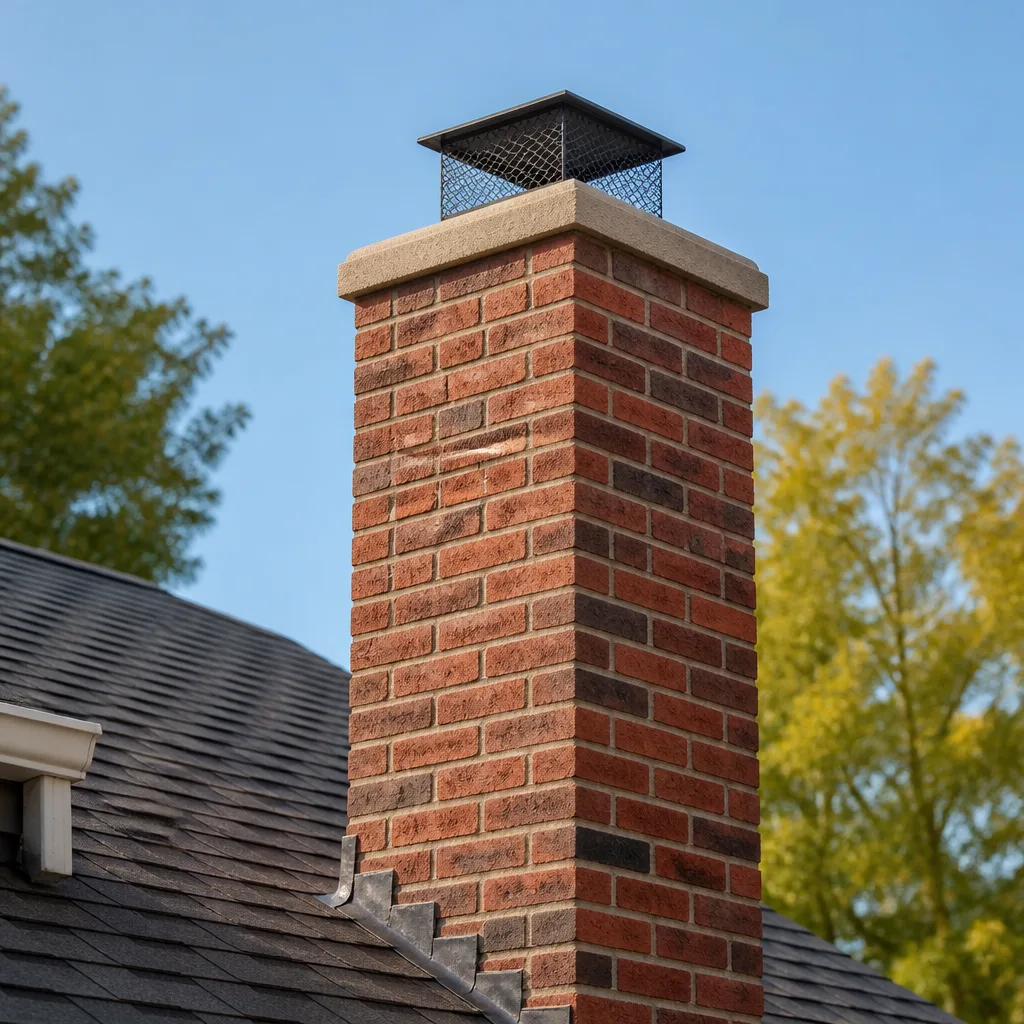 Masonry repair
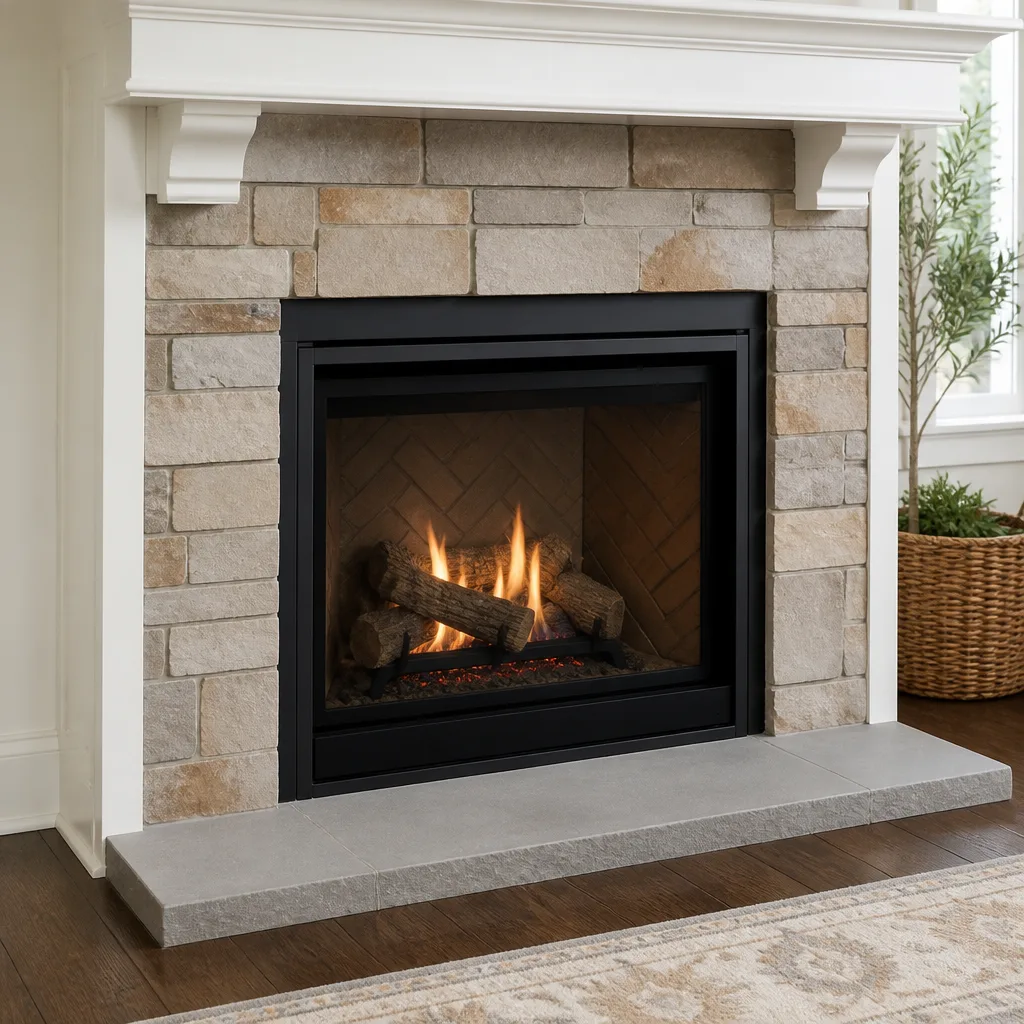 Gas fireplace service
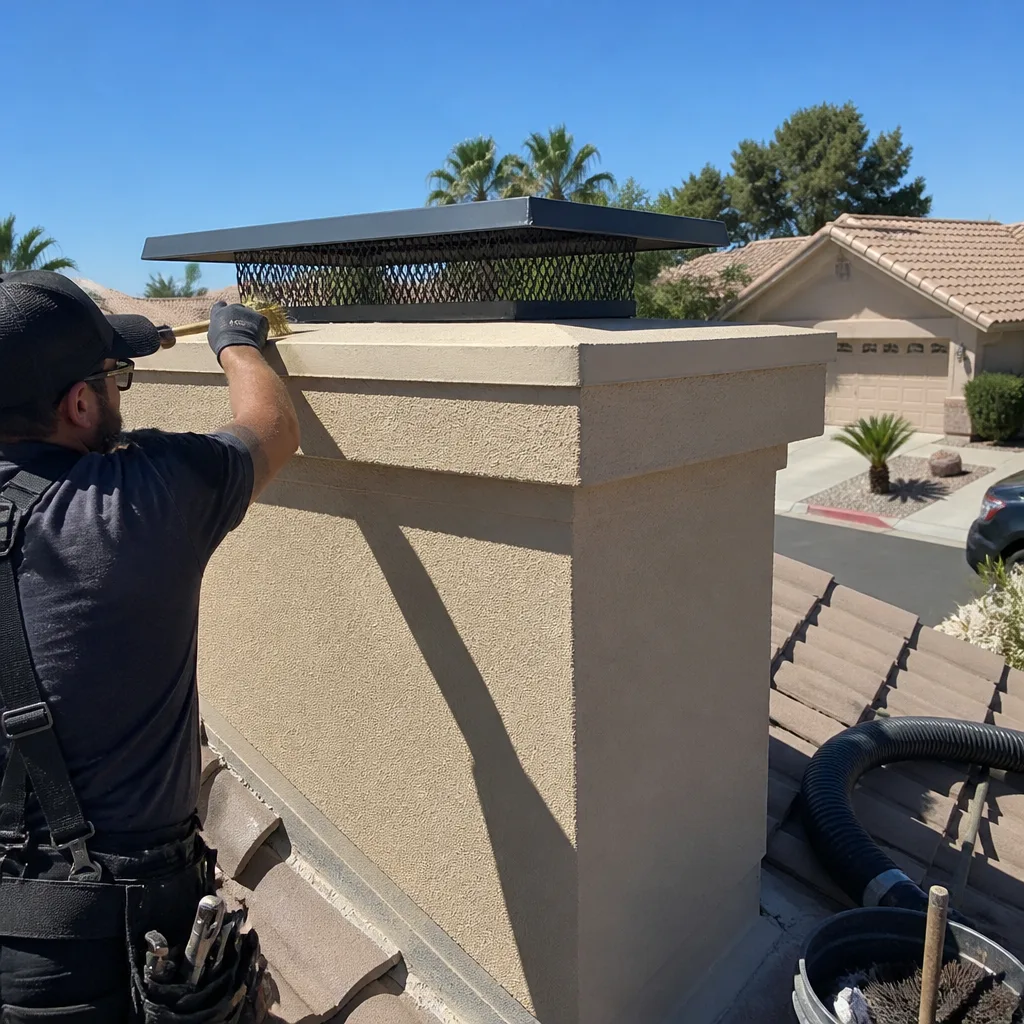
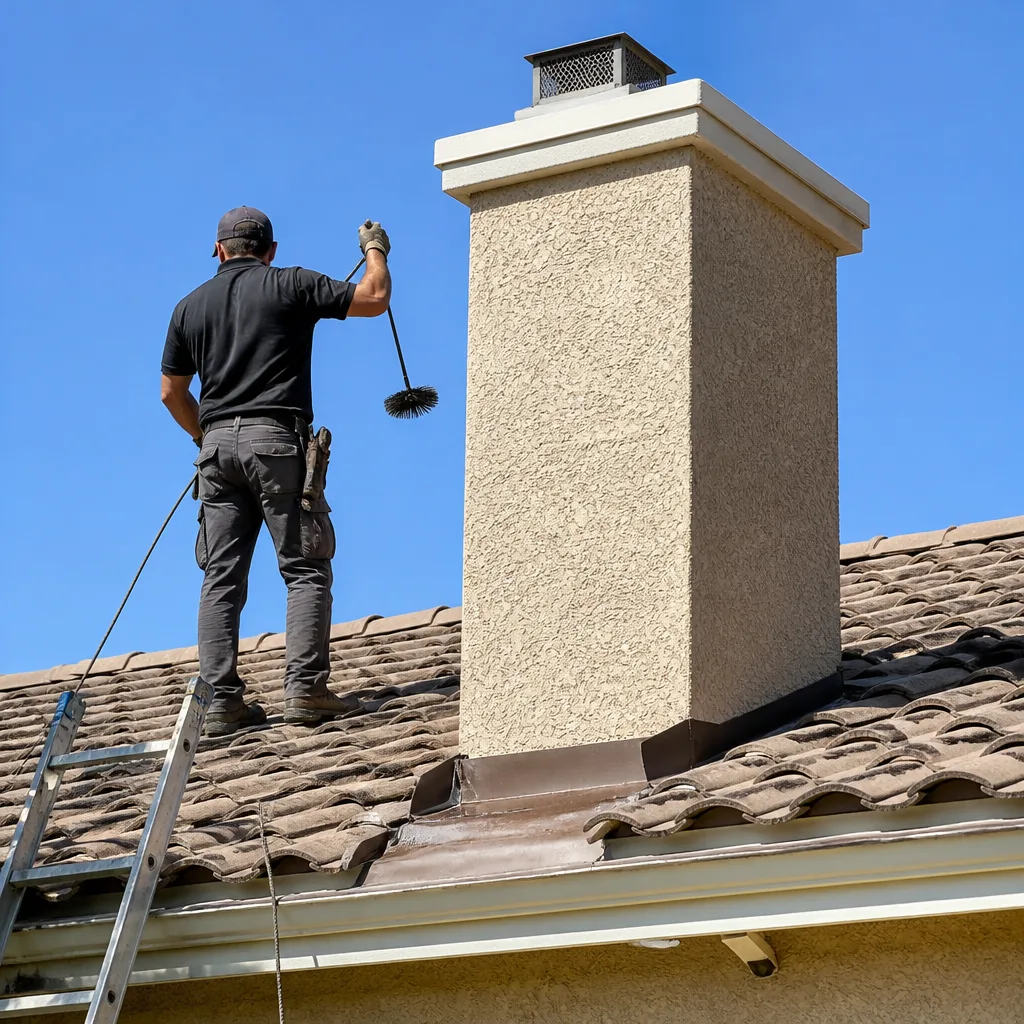
Level 1 sweep and inspection to the NFPA 211 annual standard - flue, crown, cap, and flashing checked and photographed
Chimney sweep logs do not sweep chimneys. They loosen some creosote - which then falls where a brush and vacuum still have to collect it.
Chimney Cleaning Permits, Codes & Inspections in NV: What You Need to Know
Here’s a scenario we see too often in Las Vegas: a homeowner books a routine chimney sweep, the technician finds a cracked flue liner, and within twenty minutes there’s a quote for a $4,000 reline sitting on the kitchen counter. No one mentions permits. No one mentions inspections. The homeowner assumes it’s all part of the same job. Six months later, a chimney fire claim gets denied because the insurance adjuster pulled county records and found no permit on file for structural liner work. This guide exists so you never end up in that conversation. We’ll walk through exactly where Nevada draws the line between cleaning and construction, which codes apply to your chimney, what documentation you should keep, and what to ask before anyone starts swinging a hammer at your masonry.
Quick Answer
Routine chimney sweeping and basic maintenance in Nevada do not require a permit, but most structural repairs, including liner replacement, crown rebuilding, and firebox reconstruction, fall under Clark County building code and typically require a permit plus inspection. The governing standard is Nevada’s adoption of the International Residential Code (IRC), which sets specific requirements for chimney construction, liner materials, and clearance to combustibles. If you’re only having the chimney cleaned or having a Level 1 inspection done, you don’t need county approval. If the sweep finds damage that requires repair, you’ve crossed into permitted-work territory.
Styles & brands we work with
Table of Contents
- Cleaning vs. Repair: Where Nevada Draws the Line
- How Nevada’s Adoption of the IRC Governs Chimney Liners
- Level 2 Inspections: What They Document and Why It Matters for Permits
- When a Permit Is Required in Clark County
- What to Ask Your Contractor Before Repair Work Begins
- The Paper Trail: Documentation That Protects You
- Permits, Insurance, and Why Unpermitted Work Can Haunt You
Cleaning vs. Repair: Where Nevada Draws the Line
Here’s the distinction in plain language. Cleaning is the removal of creosote, soot, and debris from the flue, smoke chamber, and firebox. It’s maintenance. Nevada treats it like changing your oil. No permit, no county notification, no inspection. You can have your chimney swept every year for thirty years and never once file a piece of paper with Clark County.
Repair is different. The moment a technician recommends replacing a component, rebuilding a section, or altering the structure, you’ve entered the world of building codes and permits. This includes relining a flue, replacing a chimney crown, rebuilding a firebox, tuckpointing large sections of masonry, or installing a new chimney cap that requires structural anchoring. Some of these are more straightforward than others. A simple stainless steel cap replacement that clamps onto an existing flue tile may not need a permit. A full crown teardown and re-pour typically does, because it involves structural work on the top of the chimney that affects water sealing and can compromise the entire stack if done wrong. In Las Vegas, where we get flash floods and intense UV exposure, crown failure is common. The repair question comes up constantly.
What surprises most homeowners is that the trigger isn’t the size of the repair. It’s the nature of it. A $200 repointing job on a few loose bricks might slide under the radar if it’s cosmetic. But that same repointing, if it extends into the firebox or affects the structural integrity of the flue, now needs a permit. The technician doesn’t get to decide. The code does. And “we don’t usually pull permits for this” is not a defense if something goes wrong.
The practical takeaway: if a sweep tells you something is broken, ask one question before anything else. “Does this require a permit in Clark County?” If they hesitate, dodge, or tell you not to worry about it, that’s a red flag. A licensed contractor who does chimney work regularly in Las Vegas should be able to answer immediately and clearly.
How Nevada’s Adoption of the IRC Governs Chimney Liners
Nevada adopted the International Residential Code, commonly called the IRC, as the baseline for residential construction. The IRC contains an entire chapter devoted to chimneys and fireplaces, and within it, specific sections governing what a chimney liner must be made of, how it must be installed, and what clearances are required to combustible materials like wall framing and roof sheathing.
Why does this matter to a homeowner booking a cleaning? Because when a sweep discovers that your terra cotta flue tiles are cracked, spalled, or separated, the remediation isn’t a patch job. The IRC requires that a chimney serving a fireplace or appliance either have a code-compliant liner or be brought up to current standard. You can’t just smear some refractory mortar over the gaps and call it done. In many cases in Las Vegas, the solution is a stainless steel flue liner system like DuraFlex, which is designed to meet the IRC’s UL listing requirements for gas, oil, and wood-burning applications. The product itself carries a listing, but the installation has to be done correctly, with the right clearances, proper termination height, and correct connections at the appliance and the top of the chimney.
Here’s what the IRC approach means for you practically. Your chimney liner is not just a pipe. It’s a safety barrier that keeps 1,800-degree flue gases away from wood framing, drywall, and insulation. A cracked liner can allow those gases to escape into your home’s structure, which is how you get carbon monoxide leaks and house fires. The code exists because people have died from cracked liners. When a sweep tells you that your liner is cracked and you need a new one, that recommendation is grounded in the same IRC standard that Clark County enforces.
What many homeowners don’t realize: if you’re replacing a liner, the new liner has to be listed for the application. Meaning, you can’t just put any stainless pipe up there. It has to be a UL-listed chimney liner system, properly sized for the appliance it serves, and installed to the manufacturer’s specifications as well as the IRC. This is why the products we use matter. DuraFlex liners, HeatShield ceramic repair compound, and other trade brands exist because they’ve passed the testing required to meet code. The generic liner some handyman buys at a hardware store may not. And when the inspector comes to sign off on the permit, they’ll be checking for exactly that.
Level 2 Inspections: What They Document and Why It Matters for Permits
Chimney inspections are classified into three levels under NFPA 211, the national standard for chimneys and fireplaces that Nevada fire marshals and code officials reference. A Level 1 inspection is what you get with a routine sweep: a visual check of the accessible portions of the chimney, the firebox, and the basic condition of the flue. It’s appropriate when nothing has changed since the last cleaning.
A Level 2 inspection is more involved. It includes everything in Level 1, plus inspection of accessible areas in attics, crawl spaces, and basements, and typically involves running a camera up the flue to document the interior condition. NFPA 211 requires a Level 2 inspection under specific circumstances: when a property is sold or transferred, when the chimney has experienced a chimney fire, when there’s been a seismic event (relevant in southern Nevada, where we get small earthquakes regularly), when there’s a change in the fuel type, or when there’s been a significant weather event like a lightning strike or severe storm that may have damaged the chimney. If you’re unsure whether your chimney shows warning signs, read our Chimney Cleaning Warning Signs: A Las Vegas Homeowner’s Reference Guide.
Here’s where this matters for permits and documentation. A Level 2 inspection produces written documentation and typically video footage of the flue interior. If that inspection identifies a cracked liner, missing mortar joints, or a damaged crown, that report becomes the basis for the repair recommendation, and importantly, for the permit application. Clark County wants to see documented evidence of the problem before they’ll issue a permit for the repair. You can’t just say “the chimney is broken.” The inspector reviews the camera footage and the written report, verifies the condition matches the proposed scope of work, and then approves the repair permit.
We’ve had Las Vegas homeowners come to us after their home sale fell through because a Level 2 inspection, required by their insurance company or the buyer’s lender, uncovered liner damage that had never been documented. At that point, the seller has two choices: disclose the damage and negotiate a repair, or fix it properly with a permit before closing. The ones who try to rush a repair without a permit often create a title issue, because the buyer’s inspector or appraiser will check public records. Unpermitted chimney work shows up, and now the sale is in jeopardy.
Your best protection: get a Level 2 inspection with documented photos and a written report any time something meaningful happens to your chimney, and keep that report in your home file. When it’s time to sell, you’ll have documentation proving either that the chimney is in good condition or that any repair work was properly permitted and inspected.
When a Permit Is Required in Clark County
Let’s make this concrete. Here’s a breakdown of common chimney services and whether they typically require a permit in Las Vegas and surrounding Clark County areas:
- Chimney sweeping (Level 1 inspection + creosote removal): No permit. This is routine maintenance.
- Chimney cap replacement (clamp-on, no structural alteration): Typically no permit, as long as the existing flue tile is intact and the cap is a direct replacement.
- Chimney crown repair (small crack, application of a sealant like a brush-applied crown coat): Borderline. Pure sealant application without masonry demolition usually doesn’t need a permit. But if the crown is deteriorated enough to require breaking out the old mortar and re-pouring, that’s structural work and a permit is generally required.
- Flue liner replacement (stainless steel or HeatShield resurfacing): Permit required in most cases. The liner is the primary safety barrier, and Clark County wants documentation that the new liner meets IRC standards.
- Firebox rebuilding (replacing firebrick, rebuilding the walls of the firebox): Permit required. This is structural masonry work inside the home.
- Tuckpointing or masonry repair on the exterior chimney stack: Minor cosmetic pointing, no permit. Large-scale rebuilding of the stack above the roofline, permit required.
- Gas fireplace installation or replacement (converting from wood-burning or replacing a gas insert): Permit required. This involves gas line connections and venting, both of which fall under Clark County code.
Now, the nuance. Clark County doesn’t list “chimney repair” as a single line item on a permit application. The work falls under broader categories: structural repair, flue replacement, or appliance venting. When we handle a repair that requires a permit, we work with your local building office to file the correct application. The process involves describing the scope of work, providing documentation of the existing condition (the Level 2 inspection report and photos), and scheduling the required inspection once the work is complete.
The inspection itself is not a formality. The code enforcement officer will check installation clearances, flue size, termination height, and connection integrity. They may review the product listing on the liner or repair material. If the work isn’t done right, the inspection fails, and the repair has to be corrected. This is the system working as intended. It protects you from a contractor cutting corners.
One more thing about Las Vegas specifically. Our climate is hard on chimneys in ways that other cities don’t experience. We get less rain than most places, but when it rains, it pours. Flash floods can dump enough water to test every crack in a chimney crown. Our summer heat cycles from 110 degrees in the afternoon to 75 at night, which causes constant expansion and contraction in masonry. We also have soil conditions in parts of the valley, particularly in areas with high clay content, that can cause settling. All of this means chimney damage in Las Vegas often presents differently than in wetter or colder climates. A Las Vegas chimney sweep sees more UV-damaged crowns and heat-expansion cracks than creosote buildup. If you’re reading a generic guide about chimney permits that assumes you’re in Ohio, half of it doesn’t apply to you. For local, relevant advice, browse our more guides & resources.
What to Ask Your Contractor Before Repair Work Begins
The moment a technician recommends any repair beyond cleaning, the conversation should shift from “what’s wrong?” to “what happens now?” Here’s the exact list of questions we tell every Las Vegas homeowner to ask before allowing any repair work to begin:
- Does this repair require a permit in Clark County? The answer should be immediate and specific. “Yes, we’ll need to pull a structural repair permit” or “No, this is a direct replacement that falls under maintenance.” Vague answers are a warning sign.
- Who pulls the permit, you or me? In most cases, the contractor should pull the permit under their license. If they ask you to pull it as a homeowner, they may be trying to avoid responsibility for the work.
- Will the county inspect the completed work? If the answer is no and a permit is required, you’re not getting code-compliant work. Walk away.
- Can you show me the product listing for the materials you’re using? For liners, caps, and crowns, the materials should carry a UL listing or equivalent. A contractor who can’t produce documentation isn’t using code-compliant materials.
- What documentation will I receive when the work is done? You want a written report with before-and-after photos, a copy of the permit, a copy of the inspection sign-off, and the product documentation showing what was installed.
- What’s your written guarantee on this repair? If they can’t give you a written guarantee, they’re not standing behind the work. Hadley’s 365-Day Done Right Promise, for example, puts a written guarantee on every repair and includes a free second visit if the repair fails within that window. That’s the standard you should expect from anyone working on your home.
We’ll be direct with you. There are chimney companies in Las Vegas that will tell you a permit isn’t needed for work that clearly requires one. Some do it because pulling a permit adds time and cost to the job. Others do it because they’re not actually licensed to do structural work and could never pass an inspection. Either way, you’re the one holding the risk. If the county discovers unpermitted work, which can happen during a home sale, a refinance, an insurance claim, or even a routine code compliance check, the burden falls on you to either legalize the work retroactively or have it redone. Retroactive permits are expensive and sometimes impossible. If the work was done incorrectly, you may have to pay to have it torn out and redone, on top of the original cost.
The Paper Trail: Documentation That Protects You
Your homeowner file should contain documentation for every piece of work done on your chimney, from the first sweeping to any major repairs. Here’s what a complete paper trail looks like, based on what we provide on every Hadley Chimney Las Vegas visit:
- Inspection report with photos. Every visit, even a simple cleaning, should produce a written report with photos. For a Level 2 inspection, you should also receive video footage of the flue interior. These documents establish the condition of your chimney at a specific point in time, which is valuable for insurance claims and home sales.
- Repair documentation. If a repair is done, you need a scope-of-work document describing exactly what was repaired, what materials were used, and the product listings for those materials.
- Permit documentation. If a permit was required, keep the permit application, the approved permit, and the final inspection sign-off from Clark County. This proves the work was done legally and passed code.
- Warranty or guarantee documentation. Any written guarantee on the repair, including the terms and duration, should be in your file. If the repair fails, this is what protects you.
- Before-and-after photos. This is one of the things we do differently under The Relay Visibility Guarantee: every job includes before-and-after photo documentation, so you can see exactly what was done and verify it with your own eyes. You don’t have to take our word for it. The photos are your evidence.
Why does this matter for permits specifically? Because if you ever need to file for a permit on a repair that follows previous work on the same chimney, Clark County officials will want to see the history. If you’re relining a chimney that had a crown repair three years ago, the permit application can reference that previous work, and you’ll have the documentation to prove it was done properly. Without it, the county may require a more invasive inspection or deny the permit until a full Level 2 inspection is completed. The paper trail saves you time and money, and it also builds a convincing case if you ever need to make an insurance claim related to the chimney.
Permits, Insurance, and Why Unpermitted Work Can Haunt You
Here’s the scenario that should keep any Las Vegas homeowner awake at night, and it’s not hypothetical. We’ve seen versions of it play out. You have a chimney fire. Not a full house fire, just a contained chimney fire that causes damage to the flue and the surrounding masonry. You file an insurance claim. The adjuster comes out, looks at the damage, and starts asking questions about the chimney’s history. When was it last inspected? Were there any recent repairs? Who did the work? Was a permit pulled?
If the answer to that last question is “no” for work that should have been permitted, your claim can be denied. Insurance companies write exclusions for damage caused by or related to unpermitted work. It’s not a loophole they’re exploiting. It’s a standard clause in most homeowner’s policies. When you file a claim, you’re representing that your home has been maintained in compliance with applicable codes. Unpermitted structural work breaks that representation, and the insurance company can use it to deny the claim, even if the fire started from a different cause. The liner might have been replaced last year without a permit, and the fire might have started in the firebox, but the adjuster can still deny the claim on the basis of the unpermitted liner replacement creating a code violation.
The same risk shows up during home sales. Clark County homebuyers are more sophisticated than they were twenty years ago, and buyer’s agents routinely check permit records as part of due diligence. If the seller replaced a chimney liner five years ago and never pulled a permit, that’s a disclosure issue. The seller either has to disclose it, which typically reduces the sale price or kills the deal, or conceal it, which opens them up to a lawsuit after closing when the buyer discovers it. The cost of pulling the permit at the time of repair is a fraction of what it costs to resolve the issue after the fact.
This is why we never recommend unpermitted work, even when a homeowner asks. The short-term savings don’t come close to the long-term risk. The permit process in Clark County adds a few days to a repair timeline and a fee that’s typically a small percentage of the job cost. What it buys you is a legal record that the work was done, inspected, and signed off by a county inspector. That record is worth more than any discount a contractor offers for skipping the paperwork.
Our advice to every Las Vegas homeowner, regardless of who does the work: verify that your contractor is licensed in Nevada, confirm in writing whether a permit is required, and don’t proceed until that question is settled. Hadley Chimney Sweep has been serving Las Vegas since 2003, and we’ve pulled permits for everything from simple liner replacements to full chimney rebuilds. We know the Clark County process, we know the inspectors, and we make sure every job leaves the homeowner with a complete paper trail, including documentation under The Relay Standard, the operating standard that governs our work as part of the Relay Home Co. family. Learn more about our chimney repair services in Las Vegas or read about our transparent process on our Hadley Chimney Las Vegas home page.
Common Mistakes to Avoid
- Assuming “no permit needed” from a tech who isn’t licensed to pull one. Any contractor can say a permit isn’t required. Only a licensed contractor who regularly works in Clark County can tell you that with any credibility. If the person on your roof can’t produce a Nevada contractor’s license, their opinion on permits is worthless.
- Accepting a repair quote without asking the permit question. The moment the price is quoted, ask if the work requires a permit. If the quote doesn’t include a permit line item for structural work, ask why not. A legitimate contractor includes permitting costs in the quote.
- Skipping the Level 2 inspection when you buy a home. Nevada doesn’t require a chimney inspection as part of a home sale, which means many buyers skip it. A Level 2 inspection costs a few hundred dollars and can save you from inheriting $5,000 in chimney repairs. This is especially true in Las Vegas, where the age of the housing stock varies wildly from Summerlin to older neighborhoods like Paradise and Downtown.
- Paying for a liner replacement without confirming the new liner meets IRC standards. A cheap liner that isn’t UL-listed for wood-burning or gas applications will fail an inspection and may not protect your home. We install liners from manufacturers like DuraFlex precisely because they carry the listings Nevada code requires.
- Filing an insurance claim after unpermitted chimney work. If unpermitted work exists anywhere in your chimney’s history, an insurance claim related to that chimney becomes a gamble. The adjuster will ask. The records will show the truth. And the claim may be denied, leaving you to pay for the damage out of pocket.
- Waiting until a home sale to do a chimney inspection. Sellers who wait until escrow to discover chimney damage are negotiating from a position of weakness. The buyer knows about the damage, knows the timeline, and will use it to push the price down. Doing a documented inspection before listing gives you time to fix things properly and on your own schedule.
- Hiring based on the lowest bid with no documentation. The cheap quote often means no permit, no inspection, no written guarantee, and no paper trail. You’re buying a discount today and a liability tomorrow. In Las Vegas, a market with no shortage of fly-by-night contractors, the cheapest chimney repair is rarely the cheapest in the long run.
See the difference
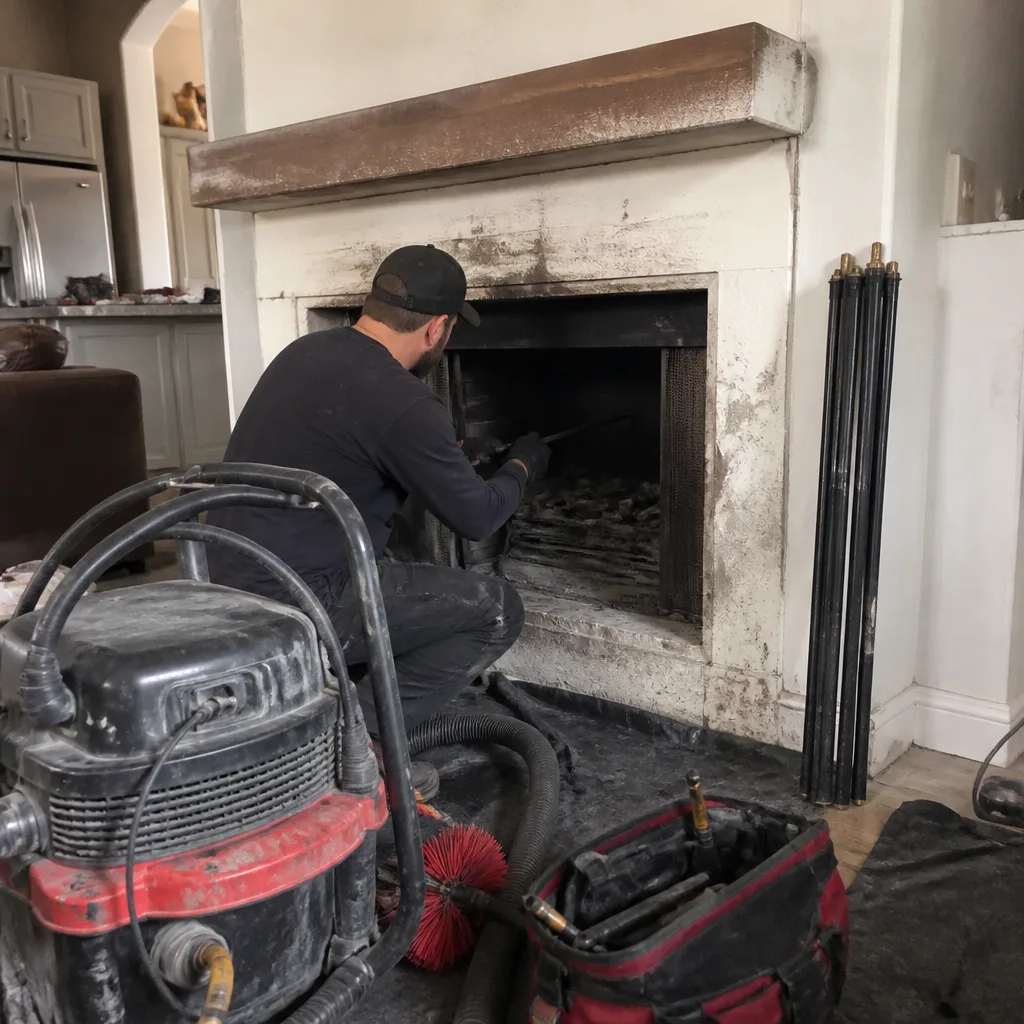 Before
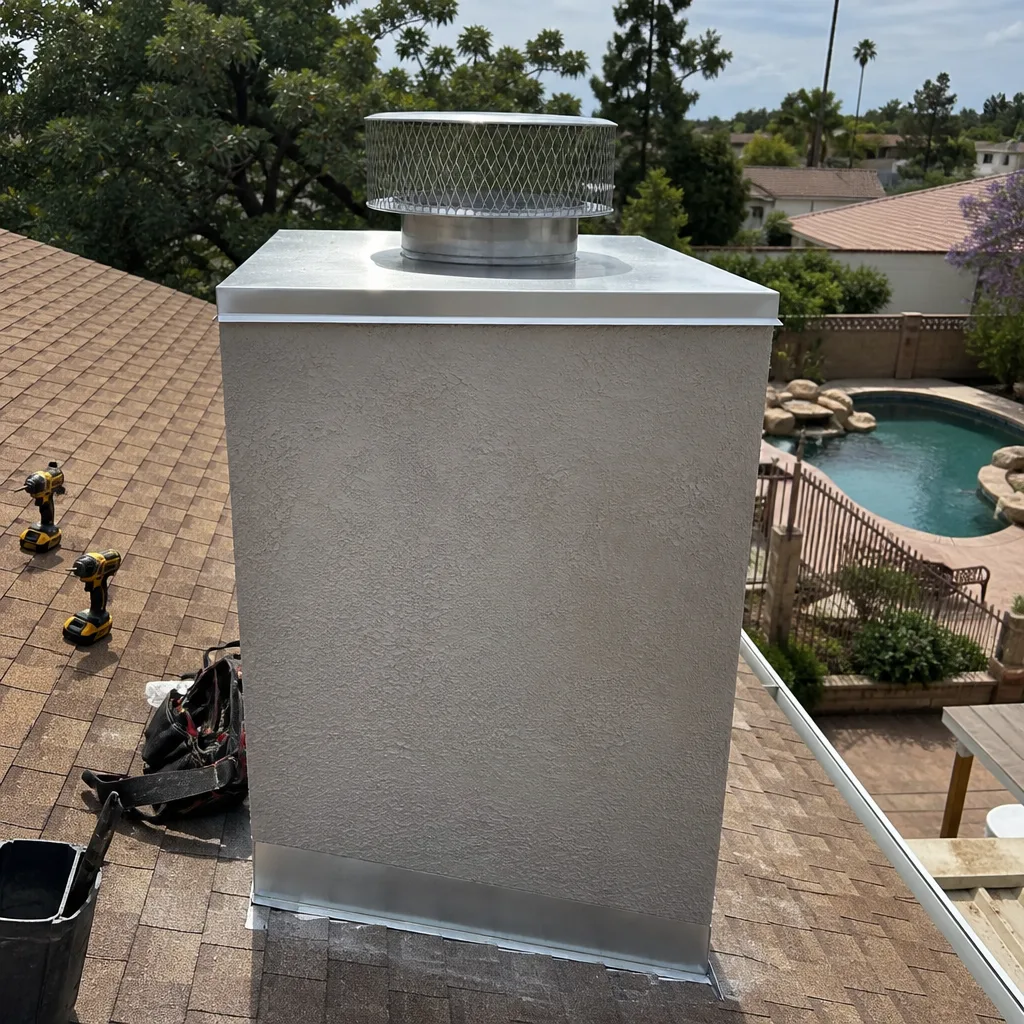 After
After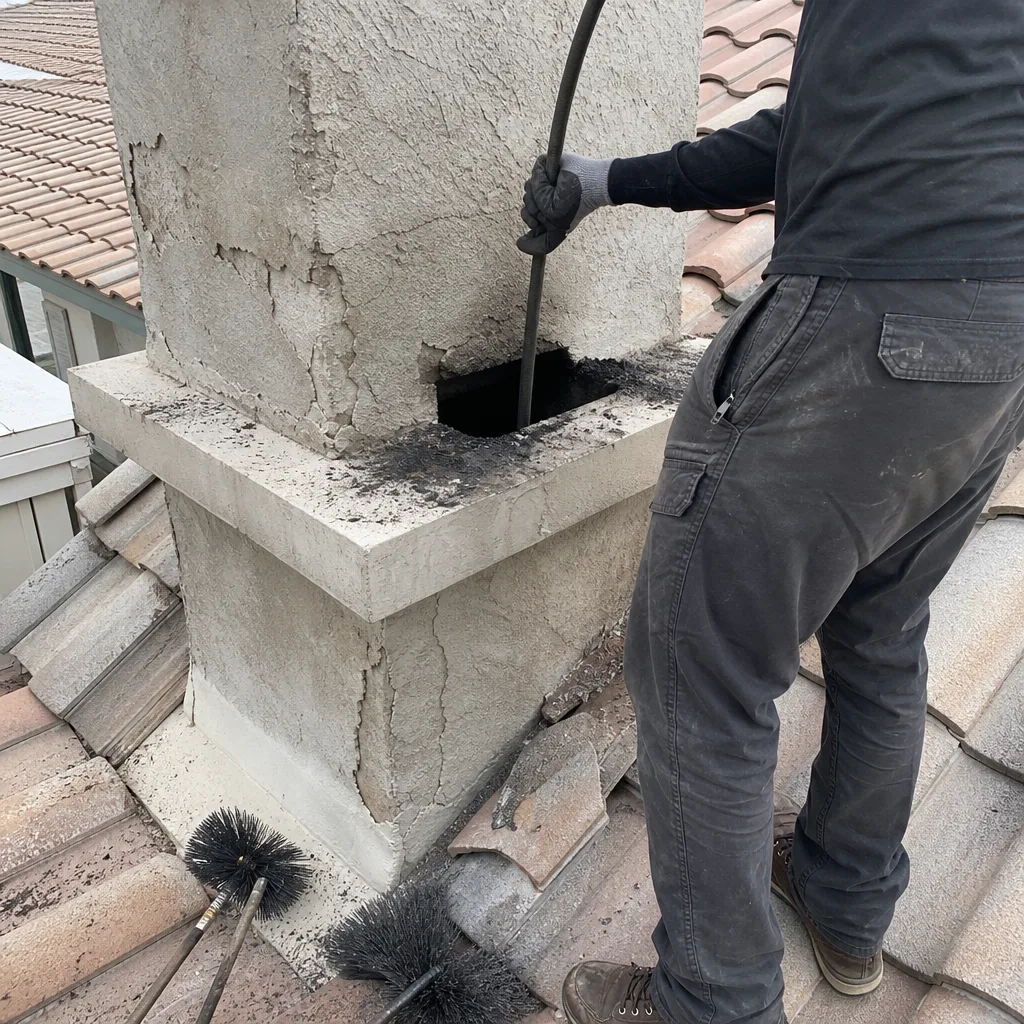 Before
 After
After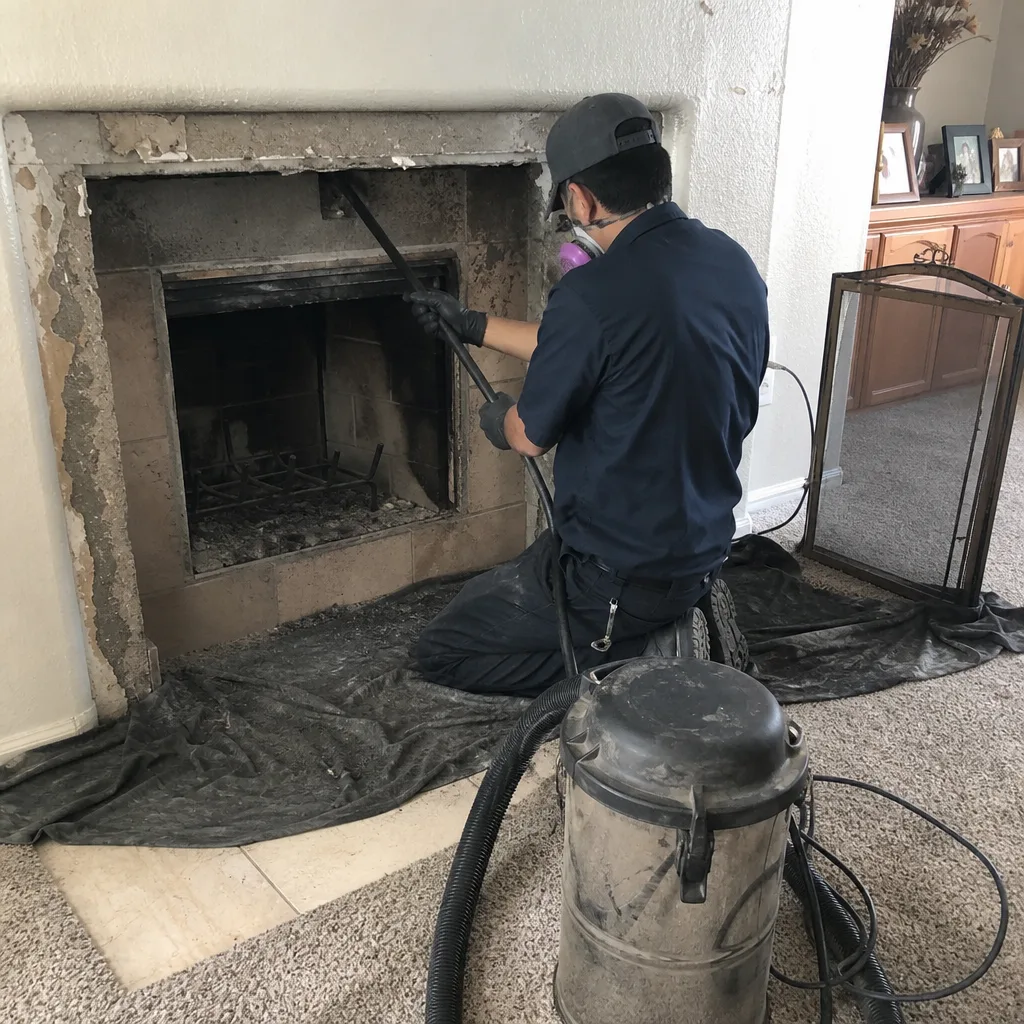 Before
 After
AfterWhen to Call a Professional
Call a professional any time you need more than a basic visual check. If you see rust on the firebox walls, white staining on the exterior masonry, crumbling mortar joints, or water in the firebox after a rain, those are signs that something structural is failing. If you smell smoke in the house after the fire is out, or if you notice drafting problems, the flue isn’t moving gases properly. If you’ve bought a home, experienced a chimney fire, or haven’t had the chimney inspected in years, that’s a Level 2 inspection situation. None of these are DIY tasks, and several of them involve conditions that can cause carbon monoxide poisoning or chimney fire if left unaddressed. Hadley Chimney Las Vegas offers free estimates throughout Las Vegas and the surrounding valley. Call (725) 600-0308 and we’ll talk through what you’re seeing, schedule an inspection, and walk you through the permit process if a repair is needed. We also handle gas fireplace repair in Las Vegas if your concern involves a gas unit rather than a wood-burning chimney.
Frequently Asked Questions
No permit is required for routine chimney sweeping and creosote removal in Nevada. Cleaning is classified as maintenance, not construction, and Clark County does not require any permit for it. You can have your chimney swept annually for the life of the home without ever filing a document with the county.
Yes, in most cases, replacing a chimney liner requires a permit in Clark County because it’s structural work that changes the venting system for your fireplace or appliance. The permit allows the county to inspect the new liner and confirm it meets IRC standards and is properly installed. A liner replacement done without a permit can complicate future insurance claims and home sales.
A standard chimney sweeping in Las Vegas typically runs between $180 and $300 depending on the chimney’s condition, accessibility, and whether a Level 1 or Level 2 inspection is required. If the sweep identifies repair work, that cost is quoted separately after the cleaning, and any permit fees would be line items on that separate quote. Call (725) 600-0308 for a written quote before any work begins.
A Level 2 chimney inspection is a more thorough evaluation that includes a camera scan of the flue interior and is required by NFPA 211 after a home sale, chimney fire, seismic event, or change in fuel type. In Las Vegas, where minor earthquakes and flash floods are common, a Level 2 inspection can document damage before it becomes a structural problem. The written report and video from a Level 2 inspection are also the documentation Clark County typically requires when you file for a permit on chimney repairs.
You can sell it, but the unpermitted work will likely surface during the buyer’s due diligence, and it will either reduce your sale price or kill the deal entirely. Clark County permit records are public, and buyer’s agents routinely check them. If unpermitted chimney work exists, the smart move is to disclose it, have a licensed contractor evaluate the work, and either legalize it retroactively or have it corrected before listing. It costs less to fix the problem than to lose the sale.
The general recommendation is once per year for a wood-burning chimney, even in Las Vegas where chimneys see less use than colder climates. The more common issue in our market is not creosote buildup but structural deterioration from heat cycling, UV exposure, and flash flood moisture. An annual sweep combined with a visual inspection catches crown cracks and liner damage early, before they become permit-level repairs. You don’t need a permit for a cleaning, and catching problems early means you may avoid needing one for repairs. Call (725) 600-0308 to schedule an inspection; estimates are free.
The Bottom Line
Chimney cleaning in Nevada is permit-free. Chimney repair, especially anything involving the liner, crown, or firebox, usually requires Clark County oversight, and you need to know that before anyone starts work. The IRC sets the standards your chimney must meet, the NFPA Level 2 inspection documents your chimney’s condition, and the permit you pull for repairs is your legal shield when insurance claims or home sales come around. Ask the permit question first, keep your paper trail complete, and don’t accept a repair quote that skips the inspection. Hadley Chimney Las Vegas has been doing permitted, documented chimney work since 2003, and we’re the chimney sweep Las Vegas homeowners call when they want the job done right with the paperwork to prove it. Call (725) 600-0308 for a free estimate, and we’ll help you understand exactly where your chimney stands.
Written by Cory Mitchell, Owner at Hadley Chimney Las Vegas, serving Las Vegas since 2003.