
Last updated October 15, 2026
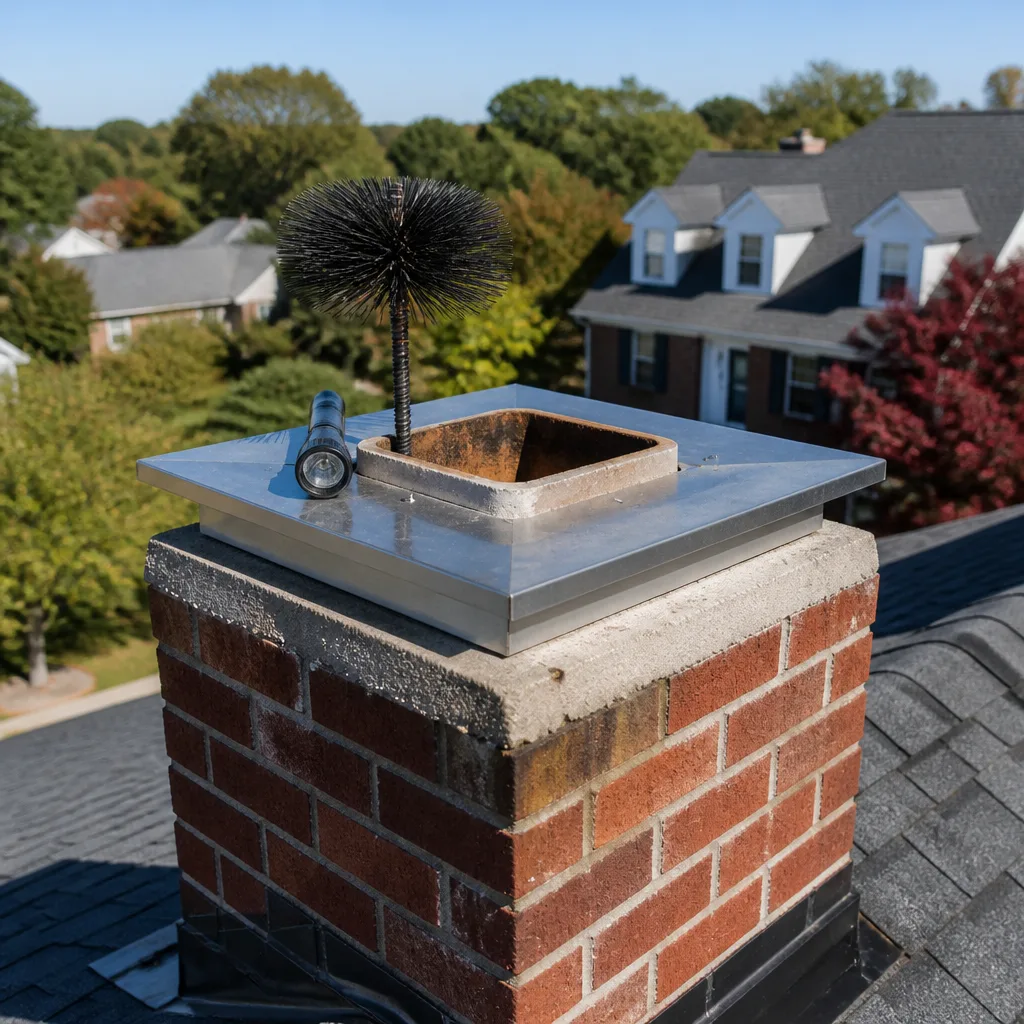 Sweep & inspection
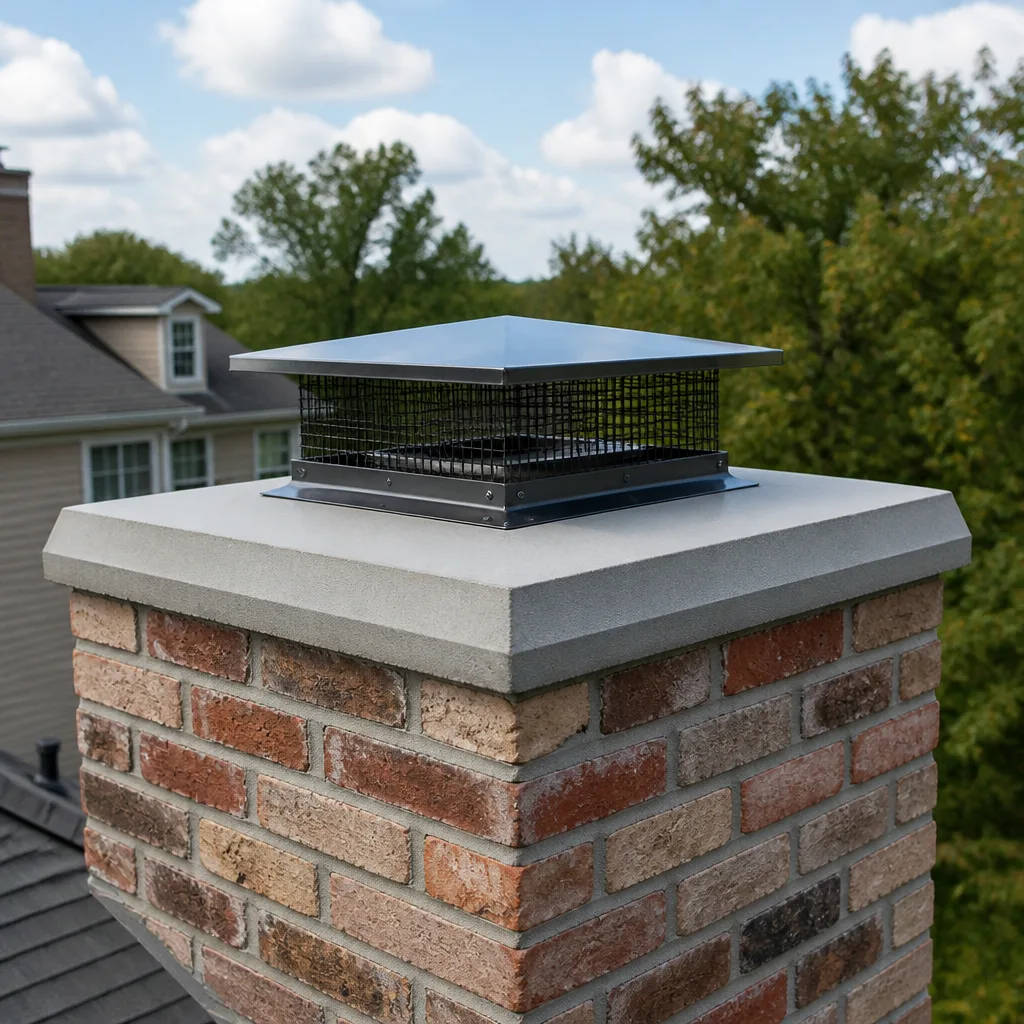 Caps & crowns
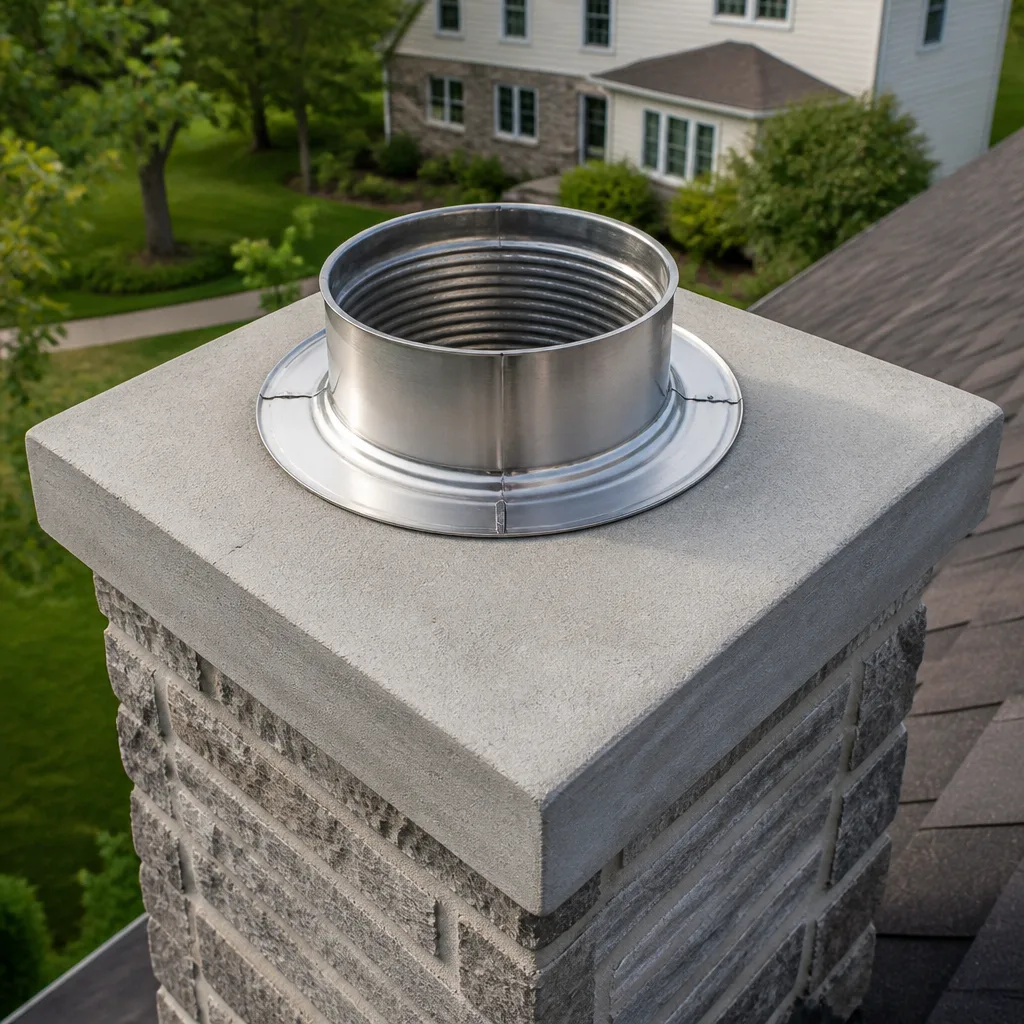 Flue relining
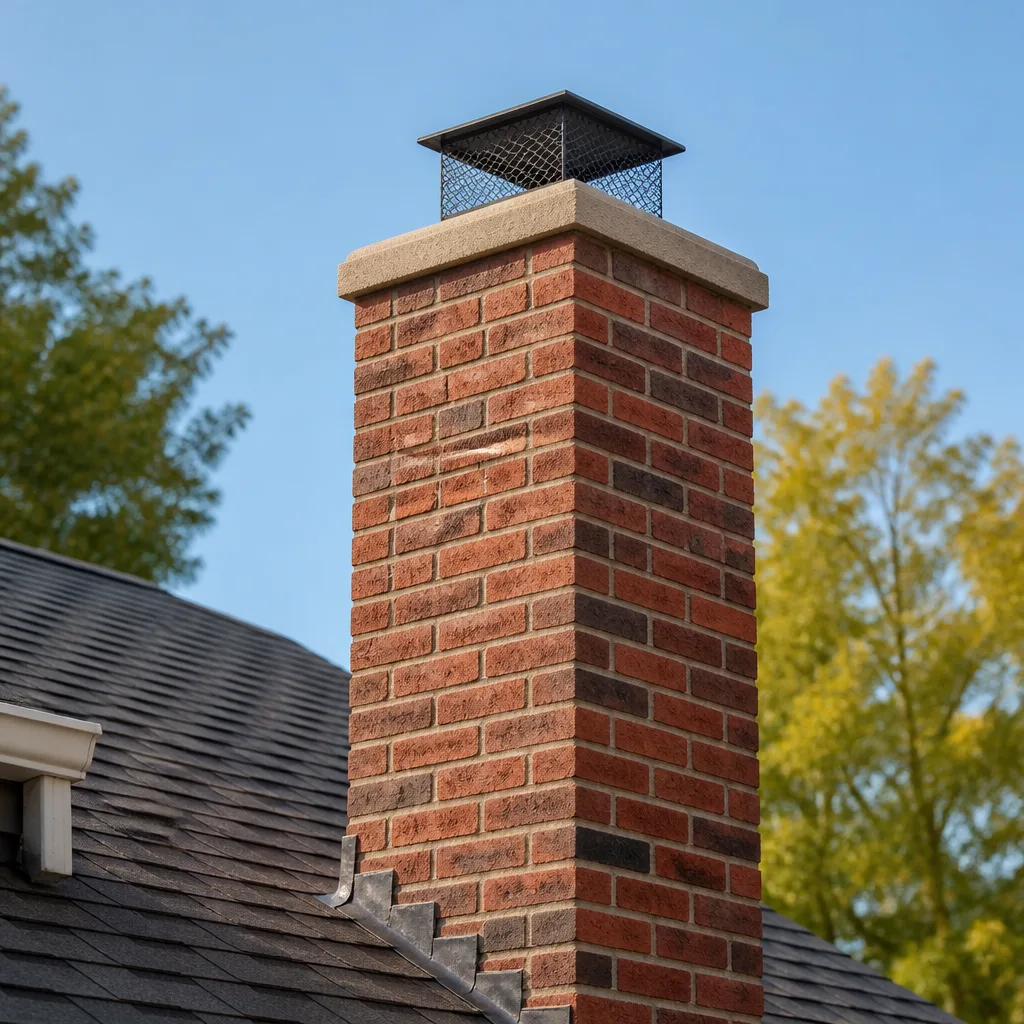 Masonry repair
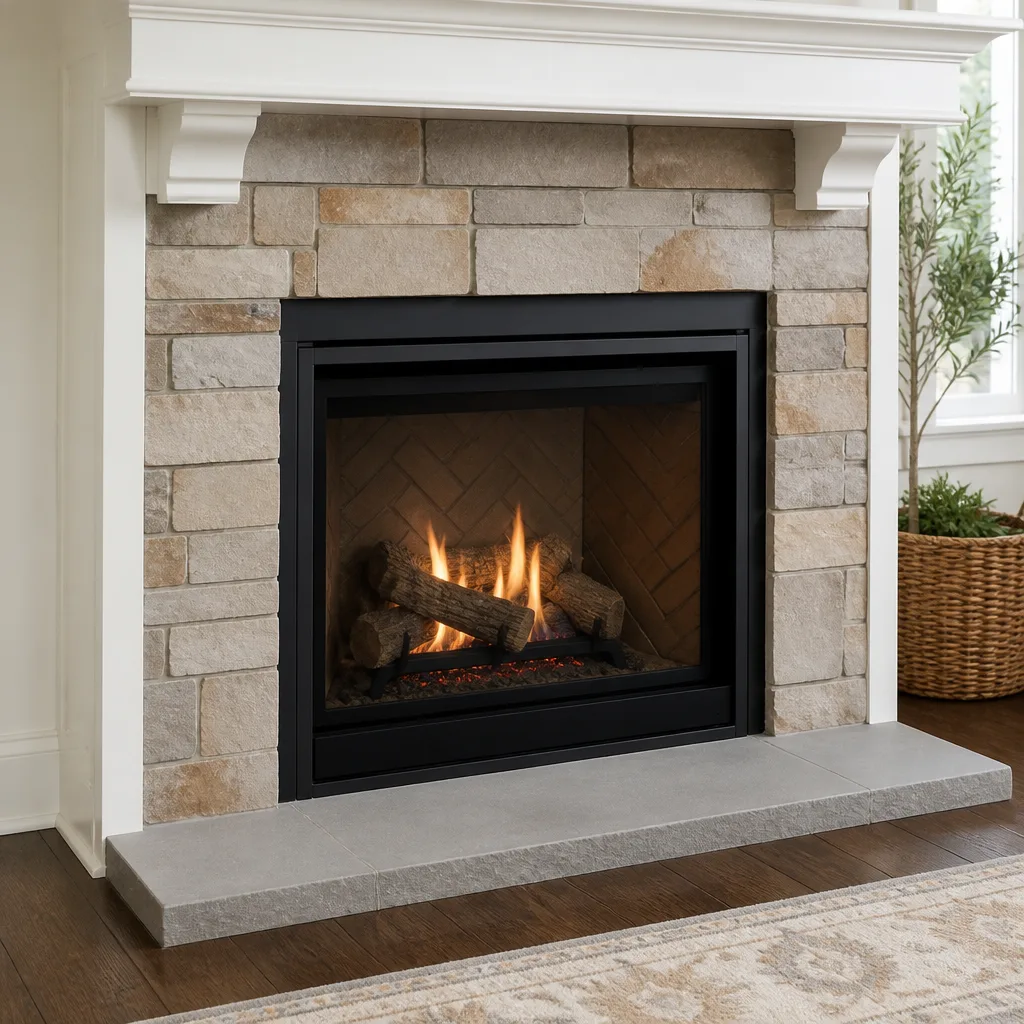 Gas fireplace service
Level 1 sweep and inspection to the NFPA 211 annual standard - flue, crown, cap, and flashing checked and photographed
Chimney sweep logs do not sweep chimneys. They loosen some creosote - which then falls where a brush and vacuum still have to collect it.
Chimney Sweep Maintenance Checklist for Las Vegas Homeowners
Here’s a counterintuitive finding from desert chimney work: the components that fail fastest on Las Vegas chimneys aren’t the ones touched by fire. They’re the exterior ones cooked by 110-degree UV and flash-cooled by sudden monsoon rain, often invisible from the ground. This checklist is built backward from the actual failure points our technicians photograph most often on Valley homes, not from a generic national template. You’ll learn what to check from inside your living room, what to look for from the backyard, and what belongs in the hands of a pro with a camera. For more homeowner resources, see our more guides & resources.
Quick Answer
A Las Vegas chimney maintenance checklist should focus on three things: creosote buildup inside the flue, heat-and-UV damage to the crown and cap, and mortar deterioration in the brickwork. Chimney Sweep services in Las Vegas typically run $149 to $249, and most local homes need a professional sweep and inspection every one to two years. Between visits, homeowners should visually check the firebox, damper, and exterior brickwork every 30 to 60 days during burn season, which in Las Vegas runs roughly November through March.
Styles & brands we work with
Table of Contents
- The Inside Checklist: What to Check Before You Light the First Fire
- The Outside Checklist: What Las Vegas Weather Does to Your Chimney
- Why Desert Chimneys Fail Differently: UV, Thermal Shock, and Monsoon Season
- What to Photograph Before You Call a Chimney Tech
- DIY Checks vs. Pro-Only Assessments: Where to Draw the Line
- How to Log Chimney Condition Over Time (and Why It Matters Later)
- When to Sweep and Inspect: Timing Your Maintenance in Las Vegas
The Inside Checklist: What to Check Before You Light the First Fire
Most Las Vegas homeowners use their fireplaces between November and March, with peak use in December and January when nighttime temperatures drop into the 30s. That means your first visual check should happen in late October or early November, before the first cold snap. Here’s the room-by-room sequence we walk our own customers through when they call our Las Vegas office.
Open the damper and look up
Use a flashlight and look past the damper into the flue. You’re checking for three things. First, creosote: the flammable tar buildup that makes chimneys a fire risk. It looks like black, shiny patches or flaky dark crust. Second, debris: Las Vegas gets high wind events year-round, and birds, nesting material, and blown vegetation end up in chimneys more often than people expect. Third, obstructions: a partially blocked flue is a carbon monoxide risk, not just a draft problem.
What’s normal: a thin layer of gray or brown dust. That’s fine. What’s not normal: anything that looks glossy, drips, or flakes off in layers. That’s creosote and it needs a sweep.
Check the firebox and smoke shelf
The firebox is the chamber where the fire burns. Look for cracks in the firebrick, gaps in the mortar joints, and any signs of rust or water staining on the metal components. The smoke shelf sits just above the firebox, and it’s where creosote accumulates fastest because smoke slows down as it curves toward the flue. You can’t see the smoke shelf clearly from inside the firebox, but if you notice a strong smoky smell in the room even when there’s no fire, that’s often the culprit.
Test the damper operation
Open and close the damper a few times. A damper that sticks, squeaks, or won’t seal fully is more than an annoyance. A leaking damper sends heated air up the chimney all winter and lets cold air down in summer, which shows up on your NV Energy bill. In Las Vegas, where summer cooling costs dwarf winter heating costs, a poorly sealed damper leaks conditioned air for months.
The Outside Checklist: What Las Vegas Weather Does to Your Chimney
Walk outside and look up. No ladder necessary for a baseline check, but a smartphone with a zoom lens helps. Here’s what to inspect, in order of how often we find problems on Las Vegas homes.
The crown: your chimney’s most vulnerable surface
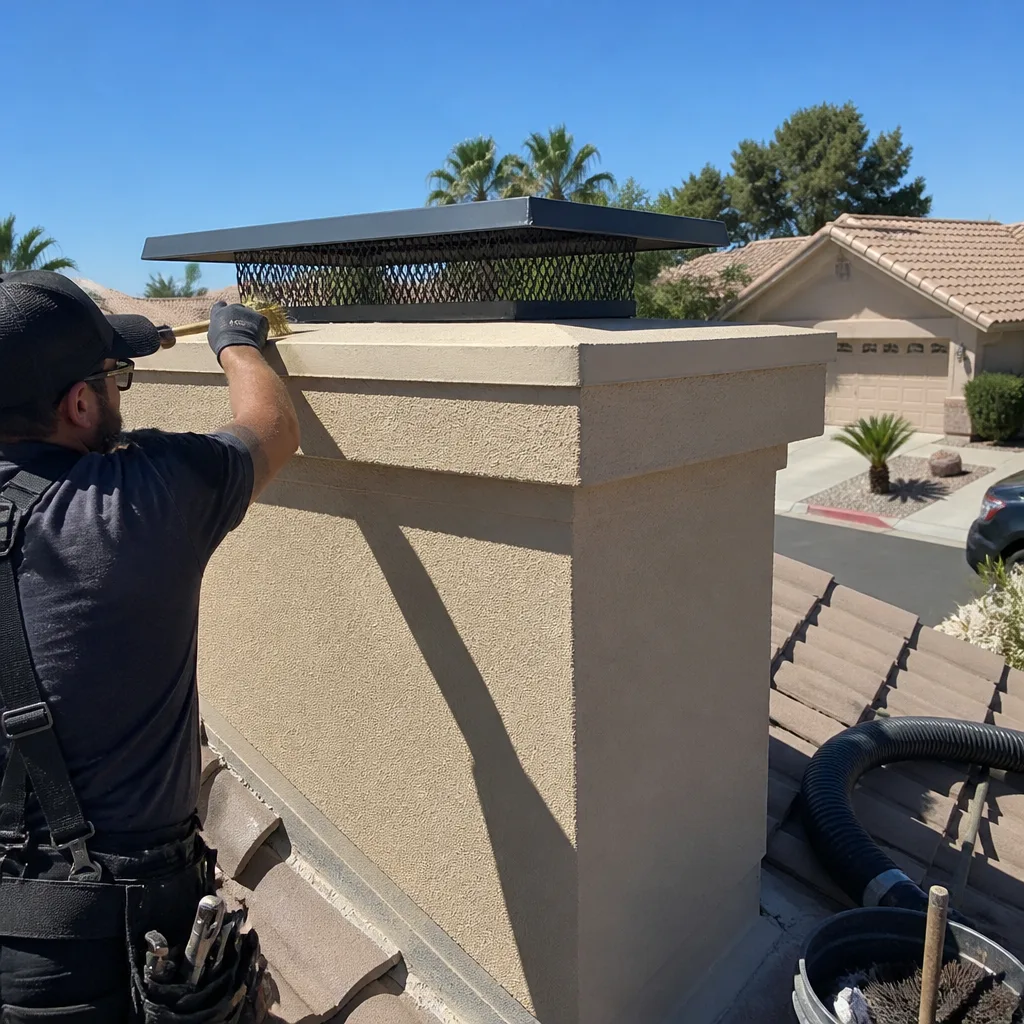
The crown is the concrete slab that caps the top of the chimney. It sheds water away from the flue. In Las Vegas, crowns fail in a predictable pattern: the extreme heat of summer expands the concrete, the cool desert nights contract it, and after five to ten years of this thermal cycling, hairline cracks appear. Monsoon rain floods those cracks, the water freezes on rare winter nights, and the cracks widen.
Look for: visible cracks wider than a hair, crumbling edges, or a crown that looks pitted or rough. Any of those means water is getting into the chimney structure. Left alone, that water works through the masonry and creates the spalling you see on older Las Vegas chimneys: brick faces popping off in flakes or whole chunks.
The cap: small part, big consequences
The chimney cap is the metal screen and roof that covers the flue opening. It keeps rain, birds, and embers out. In Las Vegas, caps rust through faster than in most of the country because monsoon rain is followed immediately by intense drying heat, which accelerates corrosion. A missing or damaged cap is the number one reason we find birds and debris inside Las Vegas flues. Look for rust, missing mesh, or a cap that has shifted off-center.
The flashing: the seam where chimney meets roof
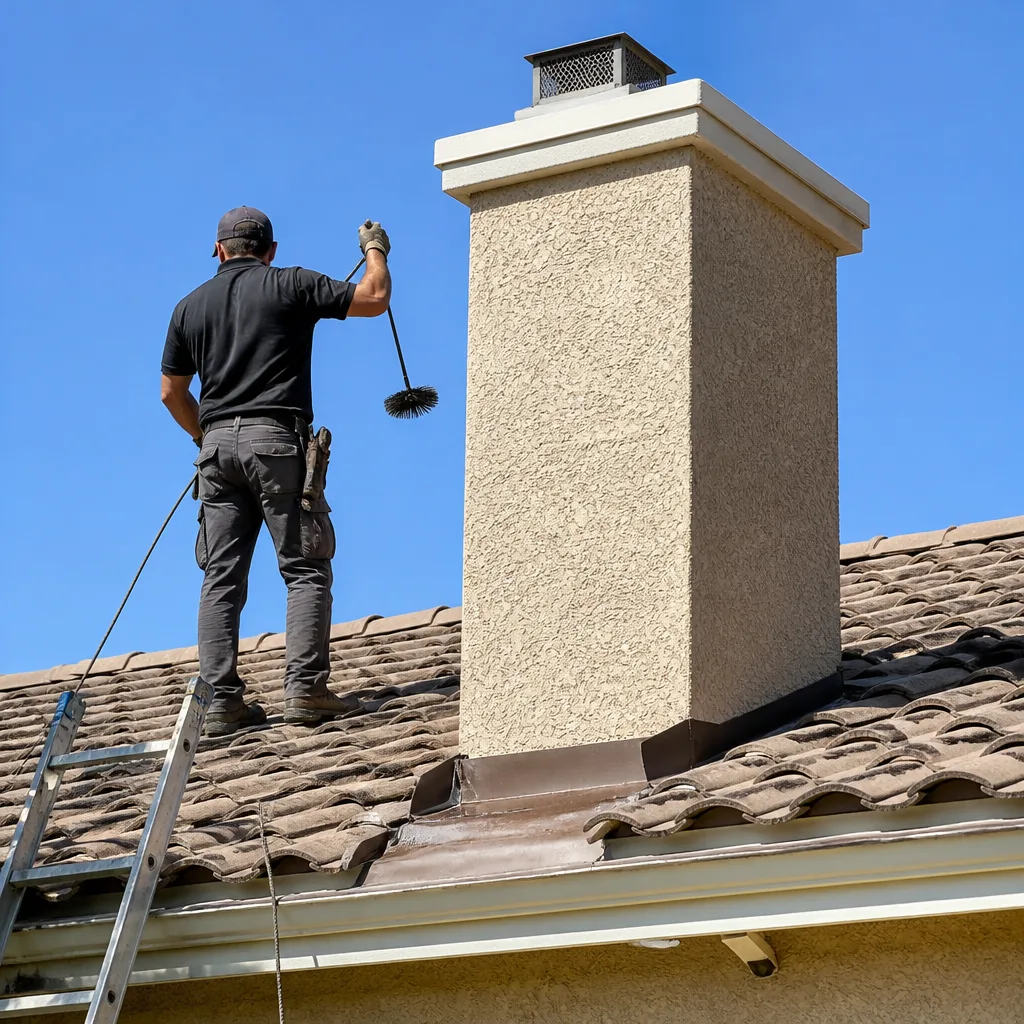
Flashing is the metal strip system that seals the gap between the chimney and your roof. It’s exposed to everything Las Vegas throws at it: UV radiation, wind-driven rain, and extreme temperature swings. Failed flashing shows up as water stains on the ceiling near the fireplace, but it can also fail silently for months before the stain appears. If you can see gaps, lifted edges, or the flashing looks corroded, it needs attention. This is a chimney repair item, not a sweep issue, but it’s part of every Chimney Sweep in Las Vegas inspection we perform.
Why Desert Chimneys Fail Differently: UV, Thermal Shock, and Monsoon Season
National chimney checklists mention rain and freeze-thaw cycles. They rarely mention the specific wear patterns we see on Las Vegas chimneys, and that omission matters. A homeowner following a generic checklist could miss the exact problems that are most likely on a Valley home.
UV radiation breaks down masonry sealants fast
Las Vegas gets roughly 294 days of sunshine per year, and the UV index regularly hits 11 in summer. That constant exposure breaks down the waterproofing sealants on masonry much faster than in cloudy climates. Most chimney waterproofing products are rated for five to ten years in normal conditions. On a south-facing Las Vegas chimney with direct sun exposure, we see effective life drop to three to five years.
This is why we recommend checking for water absorption differently in Las Vegas. After a rain, a properly sealed chimney will show the water beading or running off quickly. If the brick turns uniformly dark and stays dark for hours, the sealant has likely failed.
Thermal shock is a real structural stressor
Thermal shock happens when hot materials cool suddenly. A chimney that’s absorbed a full day of 110-degree heat gets hit with a 20-degree temperature drop when monsoon rain arrives in July or August. The crown, which is exposed to the most direct heat, contracts rapidly. Over repeated cycles, this creates micro-cracks that then expand into visible damage. This is the specific mechanism behind most crown failures we repair across the Las Vegas Valley.
Monsoon season is the danger window
Las Vegas monsoon season runs July through September. The rain is intense but brief, and it often comes with wind gusts that drive water sideways into chimney structures. A crown that looked fine in May can show significant cracking by October because the thermal shock of monsoon rain on a superheated masonry surface is far more damaging than ordinary rainfall. This is why we recommend scheduling your inspection for October rather than waiting until right before the burning season starts.
What to Photograph Before You Call a Chimney Tech
One of the most useful things a Las Vegas homeowner can do is document chimney condition before picking up the phone. When you call Hadley Chimney Las Vegas, the technician will do a full camera inspection, but having your own photos serves two purposes: it helps you describe the problem accurately, and it gives you a baseline to compare against over time. Here’s what to photograph.
- The firebox, with flash on, from two angles. One straight-on, one from below looking up at the damper. These photos show firebrick condition and any visible creosote glaze.
- The crown from the backyard or side yard. Use maximum zoom on your phone. Even a grainy photo of a visible crack helps the technician understand what they’re looking for before they climb up.
- The cap. Same approach. If you can see rust or missing mesh in the photo, you’ve saved everyone time.
- The exterior brickwork on all visible sides. Walk around the house and photograph any cracked, spalled, or discolored areas. Note which side of the house faces south, because that’s where UV damage concentrates.
- The ceiling and wall around the fireplace, inside the house. If there’s any water staining, photograph it. The stain pattern tells a lot about where water is entering.
- The damper, if you can get a clear shot. A damper that’s rusted, warped, or caked with creosote is easy to capture with a phone and a flashlight.
When you send these photos to a chimney tech, you’re giving them a head start on diagnosis. That means the visit is faster, the quote is more accurate, and you’re not paying for surprises to be discovered slowly. This is exactly the approach our team encourages: a quick text with photos before you schedule a sweep or Chimney Repair in Las Vegas work.
DIY Checks vs. Pro-Only Assessments: Where to Draw the Line
This checklist is designed for homeowner visual inspection, and most of it is safe to do from the ground or from inside the firebox. But there’s a hard line between what you can assess yourself and what requires a technician with professional equipment. Here’s that line, clearly drawn.
Safe for homeowner self-inspection
- Visual check of the firebox with a flashlight
- Damper open-and-close test
- Exterior brick, crown, cap, and flashing visual assessment from the ground
- Creosote visibility check from inside the firebox
- Smoke test: light a small piece of paper in the firebox with the damper open and watch that the smoke draws up the flue
- Photographing any of the above for your records or to share with a tech
Requires a professional with a camera
- Full flue inspection. The upper flue is not safely viewable from inside the firebox, and it’s where the most dangerous creosote accumulates.
- Smoke shelf and damper housing evaluation. These are difficult to access and require specialized mirrors or camera equipment.
- Crack depth assessment. A visible crack in the crown may be cosmetic or may extend deep into the masonry. Only a camera inspection or moisture meter can determine that.
- Any work on the roof. Climbing onto a Las Vegas roof, especially tile roofs that are common in newer Valley developments, is dangerous without proper training and fall protection.
- Gas fireplace diagnostics. Gas fireplace repair involves gas line work and burner inspection that must be done by a qualified technician. A homeowner should never open a sealed gas fireplace unit.
The reason we emphasize the camera distinction is simple: the naked eye can’t see around corners, and the flue has a corner in it. Learn more in our DIY vs Professional Chimney Cleaning: The Las Vegas Homeowner’s Decision Guide. The smoke shelf and upper flue are where hidden problems live. When we perform a sweep and inspection, every homeowner gets before-and-after photos as part of our standard service. That’s not a premium add-on. It’s how we’ve operated since 2003.
How to Log Chimney Condition Over Time (and Why It Matters Later)
Paperwork feels tedious until you need it. In Las Vegas, where the housing market moves fast and cash buyers often waive inspections, having a documented maintenance history for your chimney can make a real difference at sale time. It’s also essential if you ever need to file an insurance claim for water damage or fire damage related to the chimney.
Here’s a simple logging system that takes less than five minutes per entry.
- Create a folder on your phone or computer called “Chimney.” Put every photo you take in that folder, organized by date.
- After each visual check, add a dated note. Three lines is enough: what you checked, what you saw, and whether you took photos. Use your phone’s notes app so it’s timestamped automatically.
- Keep every sweep and repair invoice in the same folder. A PDF of the invoice plus the before-and-after photos from the technician is a complete service record.
- If you have a repair done, note the materials used. At Hadley, we work with trusted trade brands including DuraFlex flexible liner systems, HeatShield ceramic repair compound, and Copperfield chimney accessories. Knowing what was installed, and when, matters if a question comes up later.
- When you sell the home, hand the folder to the buyer. A documented maintenance history is a selling point, not a liability. It shows the chimney was maintained, which buyers in Las Vegas increasingly ask about specifically.
Documentation also protects you if a repair fails. Every repair we perform comes with a written guarantee and a free second visit if the repair fails within 365 days. That’s our 365-Day Done Right Promise. But that promise works best when you have your original invoice and photos from the original visit. Logging your chimney condition is the difference between handling a warranty claim in one phone call versus digging through email archives from three years ago.
When to Sweep and Inspect: Timing Your Maintenance in Las Vegas
Timing matters more in Las Vegas than most national guides acknowledge, because our burn season is shorter and our weather extremes create specific windows when inspection results are most reliable.
October is the sweet spot
Schedule your sweep and inspection in October. The monsoon season has ended, any damage is visible and current, and you’re ahead of the first cold snap. Scheduling in October also means you’re not competing with the November rush, when every Las Vegas homeowner suddenly remembers their fireplace exists.
If you use a gas fireplace, the timing shifts
Gas fireplaces in Las Vegas often go unused all summer. When they sit idle for months, dust accumulates on the burner, and spiders can block the pilot assembly. Have a gas fireplace serviced before the first ignition of the season. We provide Gas Fireplace Repair in Las Vegas service that includes a full burner and pilot inspection, and it’s worth doing in October even if the unit ran fine last winter.
Sweep frequency for Las Vegas homes
The National Fire Protection Association recommends a sweep when creosote reaches 1/8 inch thick. For full details, read The Complete Guide to Chimney Cleaning in Las Vegas. For a typical Las Vegas homeowner who burns fires three to five times per month from November through March, that threshold is usually reached every one to two years. Homes that burn daily or use unseasoned wood may need annual sweeps. Homes that never burn wood but have a gas log set may need less frequent sweeping, but they still need annual gas system checks.
Chimney sweeps typically run $149 to $249 in the Las Vegas market. The exact price depends on the flue size, the creosote level, and whether any repairs are identified during the inspection. At Hadley Chimney Las Vegas, every quote is a written price provided before any work starts, so you’ll know the full cost before anyone picks up a brush.
Common Mistakes to Avoid
- Waiting until December to schedule. November and December are peak season for chimney companies in Las Vegas. October scheduling gets you faster service and a pre-season rate.
- Assuming a gas fireplace doesn’t need maintenance. Gas fireplaces still need annual inspection. Carbon monoxide is odorless, and a faulty gas unit doesn’t give you a creosote warning sign before it becomes a problem.
- Ignoring a small crown crack. In Las Vegas, small crown cracks don’t stay small. The thermal cycling of summer heat and monsoon rains widens them quickly. A $300 crown crack repair in October is a $3,000 masonry rebuild in March.
- Using the fireplace as a trash burner. Burning wrapping paper, cardboard, or pine needles creates fast-burning, hot fires that push embers onto the roof and through a damaged cap. This is a common cause of roof fires on Valley homes.
- Closing the damper while the fire is still warm. This traps warm, moist air inside the chimney, accelerating creosote formation. Wait until the embers are completely out and the firebox is cool to the touch.
- Skipping the smoke test. A simple smoke test with a small piece of lit paper takes 30 seconds and tells you immediately if the flue is drafting properly. If it isn’t, don’t light a real fire.
See the difference
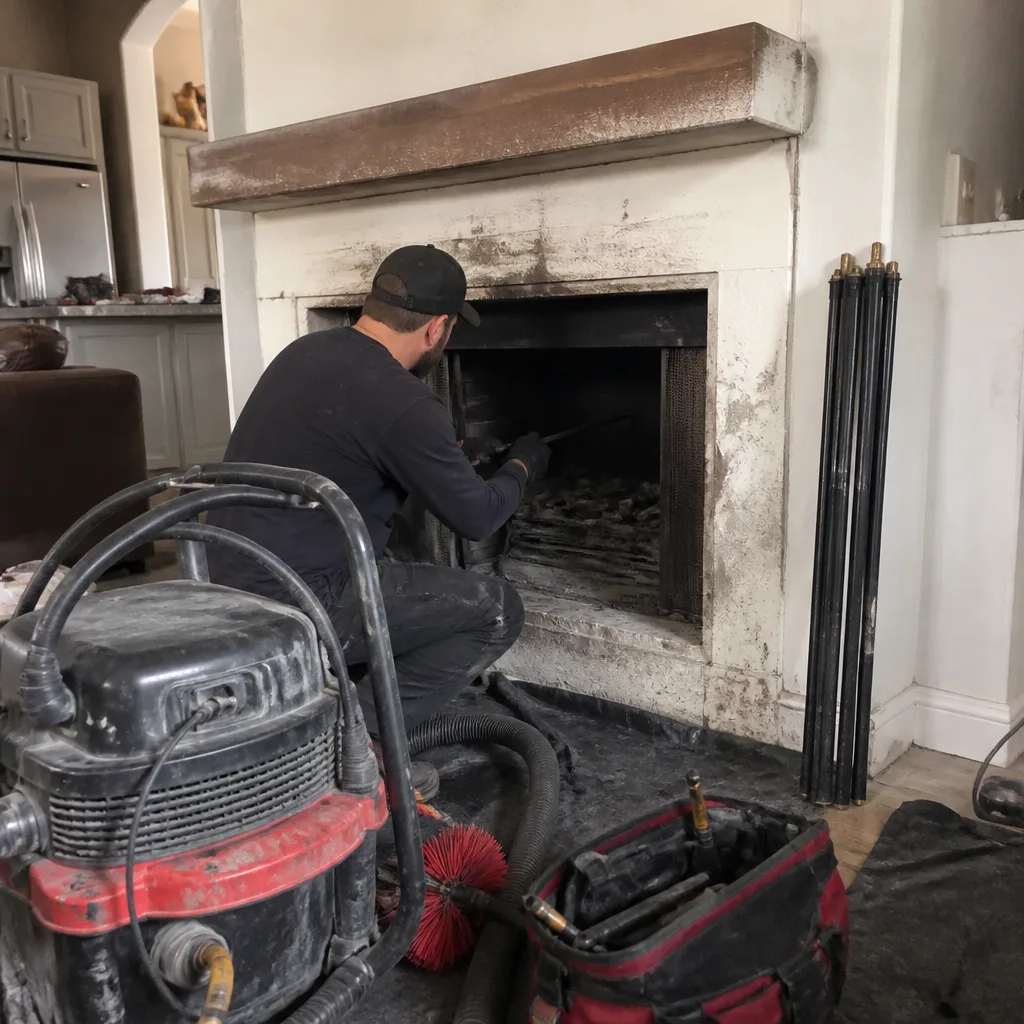 Before
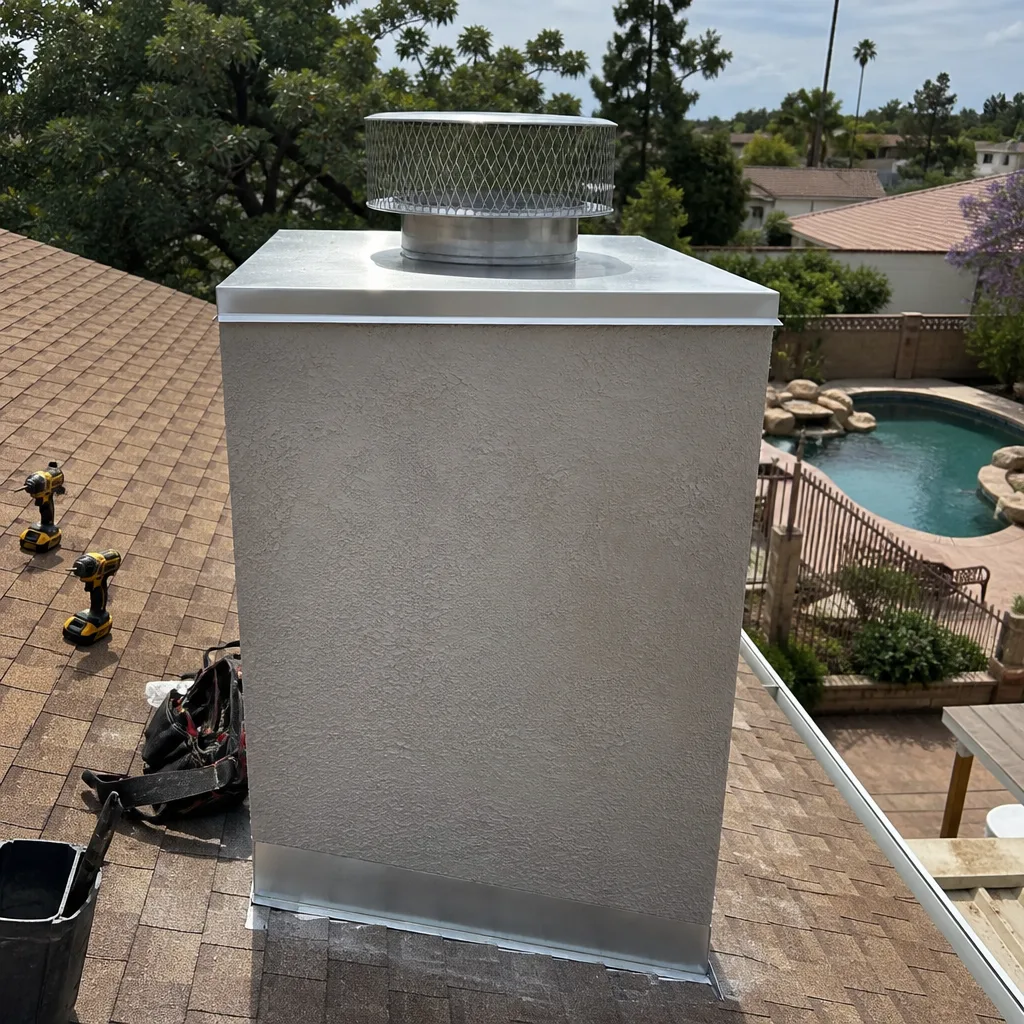 After
After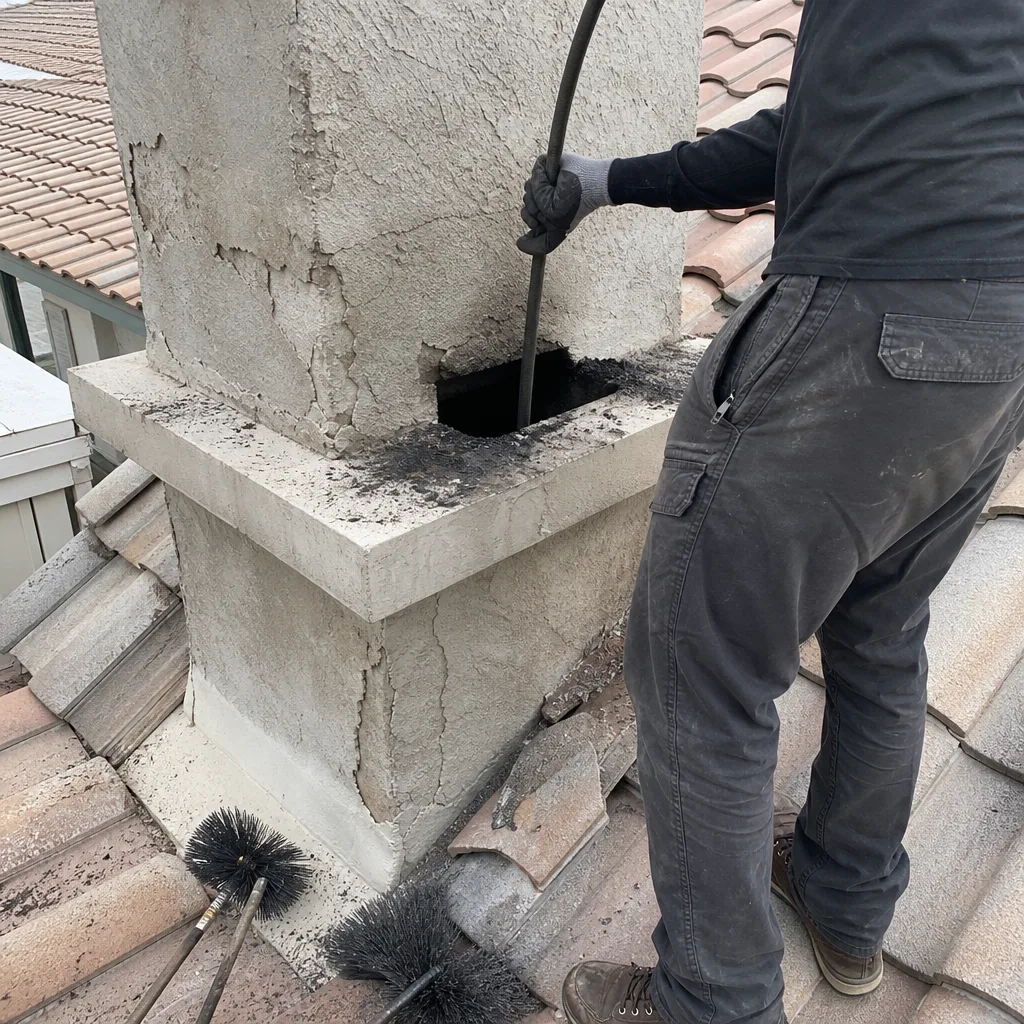 Before
 After
After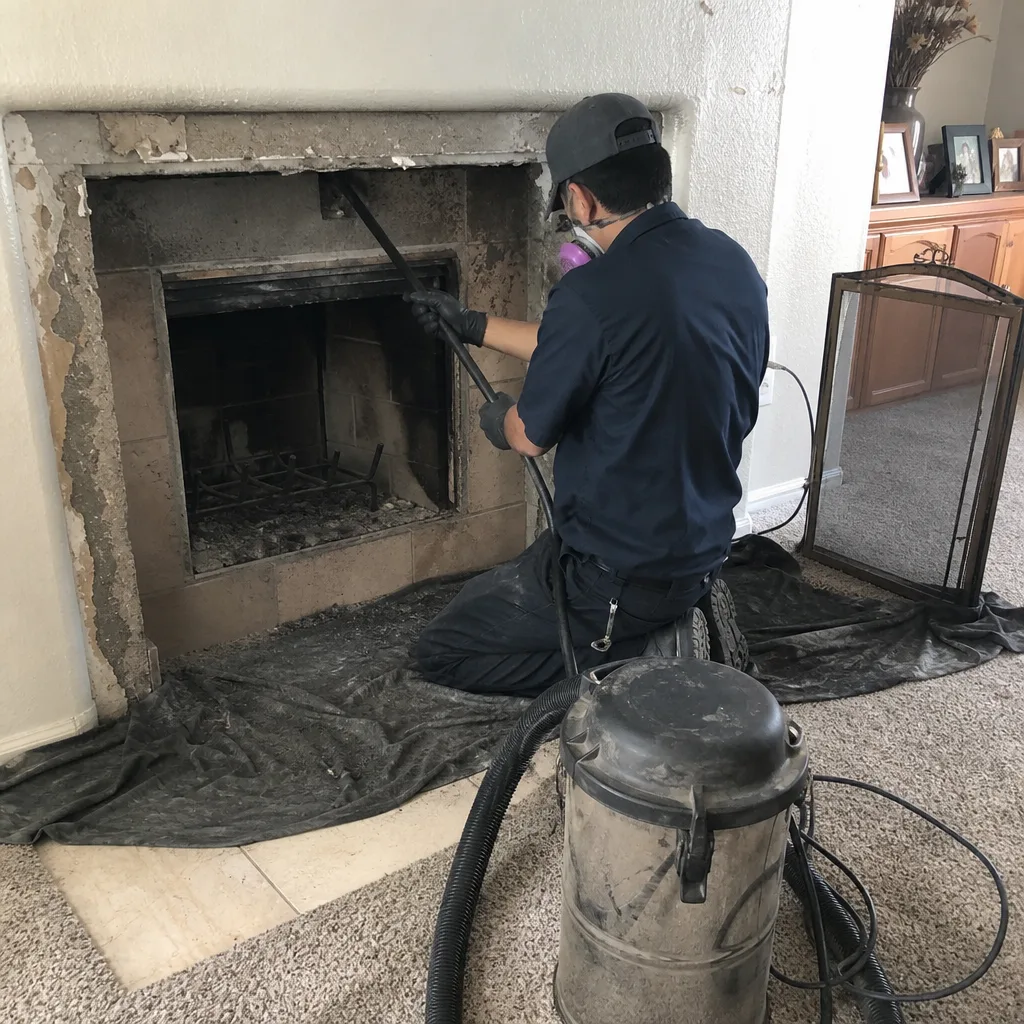 Before
 After
AfterWhen to Call a Professional
Call a chimney professional in Las Vegas if you see glossy creosote, a visible crack in the crown, rust on the cap, water stains near the fireplace, or if the smoke test fails. Also call if it’s been more than two years since you’ve had the flue swept, even if everything looks fine from the ground. Some of the most dangerous chimney conditions are completely invisible from the firebox or the backyard. Hadley Chimney Las Vegas offers free estimates in Las Vegas. Call (725) 600-0308 to book a sweep and full camera inspection, and our team will give you a written price before any work starts.
Frequently Asked Questions
Chimney sweeps in Las Vegas typically cost between $149 and $249 for a standard wood-burning fireplace. The final price depends on flue size, creosote buildup level, and whether additional inspection or repair work is recommended. At Hadley Chimney Las Vegas, you receive a written price before any work begins. Call (725) 600-0308 for an exact quote.
Most Las Vegas homeowners should have their chimney swept every one to two years. Homes that burn daily during winter months or use unseasoned wood may need annual sweeps. Gas fireplace systems should be inspected annually regardless of how often they’re used.
Yes, for two reasons. First, even occasional use produces creosote, and creosote is flammable at any thickness. Second, chimneys deteriorate from weather exposure even when they’re never used, and a sweep and inspection is the cheapest way to catch crown, cap, and flashing damage before it requires major repair. If you don’t use the fireplace at all, we still recommend an inspection every two years to monitor structural condition.
Creosote accumulates and can ignite, causing a chimney fire that reaches 2,000 degrees and cracks the flue liner. Water bypasses a damaged crown or flashing and destroys the masonry from the inside, leading to spalling brick and structural weakness. A blocked flue sends carbon monoxide back into the house. In Las Vegas, the sun and monsoon cycle accelerates all of these processes, so skipped maintenance compounds faster than in milder climates.
You can perform visual checks of the firebox, damper, and exterior brickwork from the ground using the checklist in this guide. But the upper flue and smoke shelf require professional camera equipment to evaluate safely. We recommend a homeowner visual check every 30 to 60 days during burn season, paired with a professional sweep and camera inspection every one to two years.
Every repair we perform comes with a written guarantee and a free second visit if the repair fails within 365 days. This is our 365-Day Done Right Promise, and it’s a standing commitment on every job, not a promotional offer. Our work is also backed by The Relay Visibility Guarantee, which means you get live arrival tracking, before-and-after photo documentation, and a written price before work begins on every visit. Call (725) 600-0308 to schedule.
The Bottom Line
Las Vegas chimneys face a specific set of stressors: intense UV radiation, extreme thermal cycling, and sudden monsoon rain. A generic chimney checklist misses these, but a Las Vegas-specific one catches the problems early, when they’re cheap to fix. Run your inside checks before the first fire of the season, photograph what you see, and schedule a professional sweep and camera inspection every one to two years. Document everything, because maintenance records matter when you sell. If you’re ready to schedule your sweep, Hadley Chimney Las Vegas home is a good place to start, or call (725) 600-0308 for a free estimate and a written price before work begins.
Written by Cory Mitchell, Owner at Hadley Chimney Las Vegas, serving Las Vegas since 2003.