
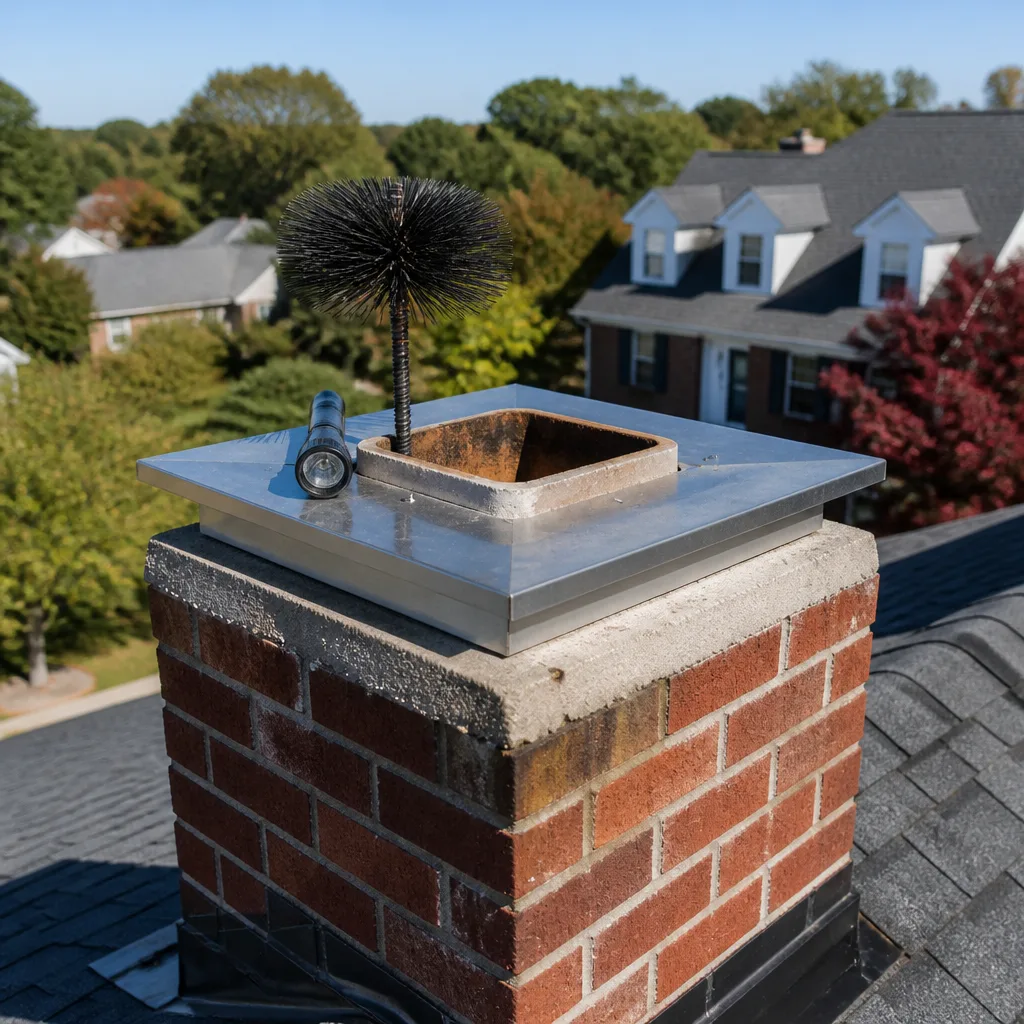
 Sweep & inspection
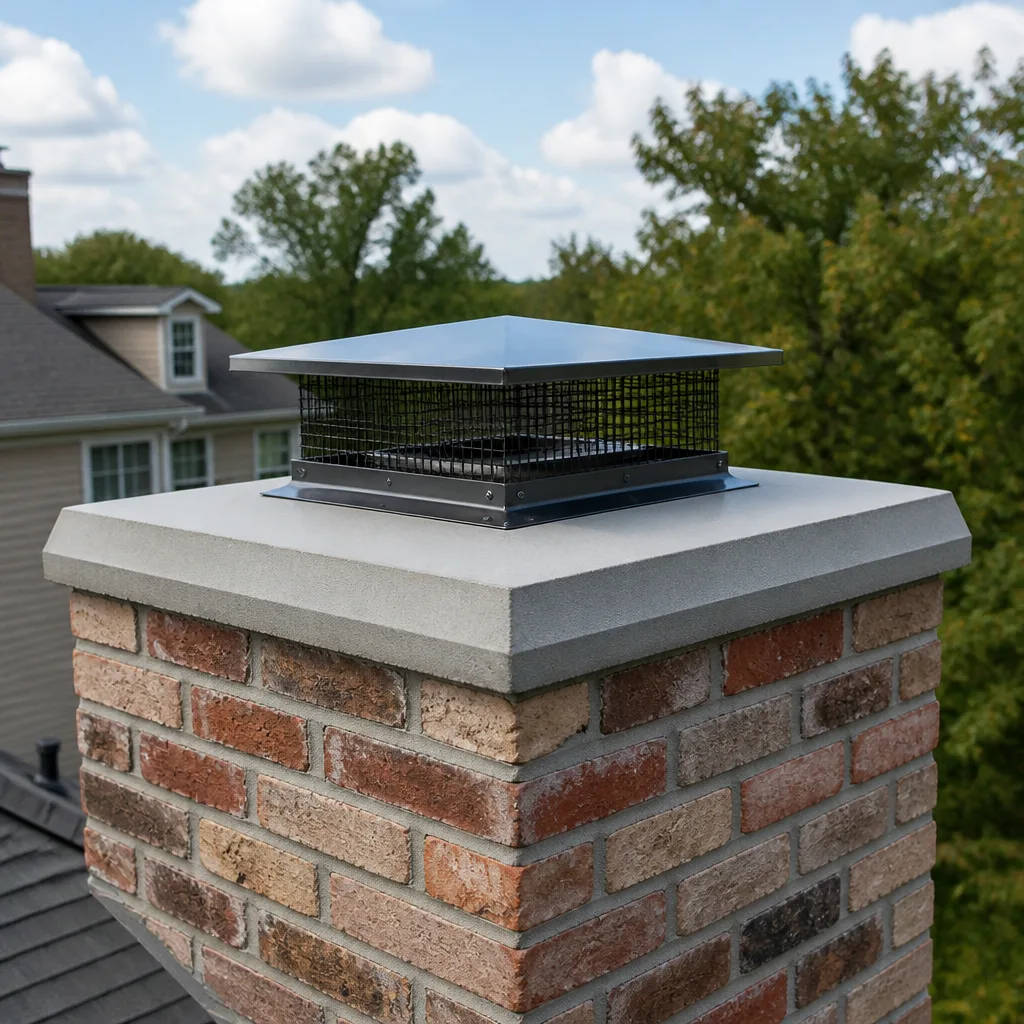 Caps & crowns
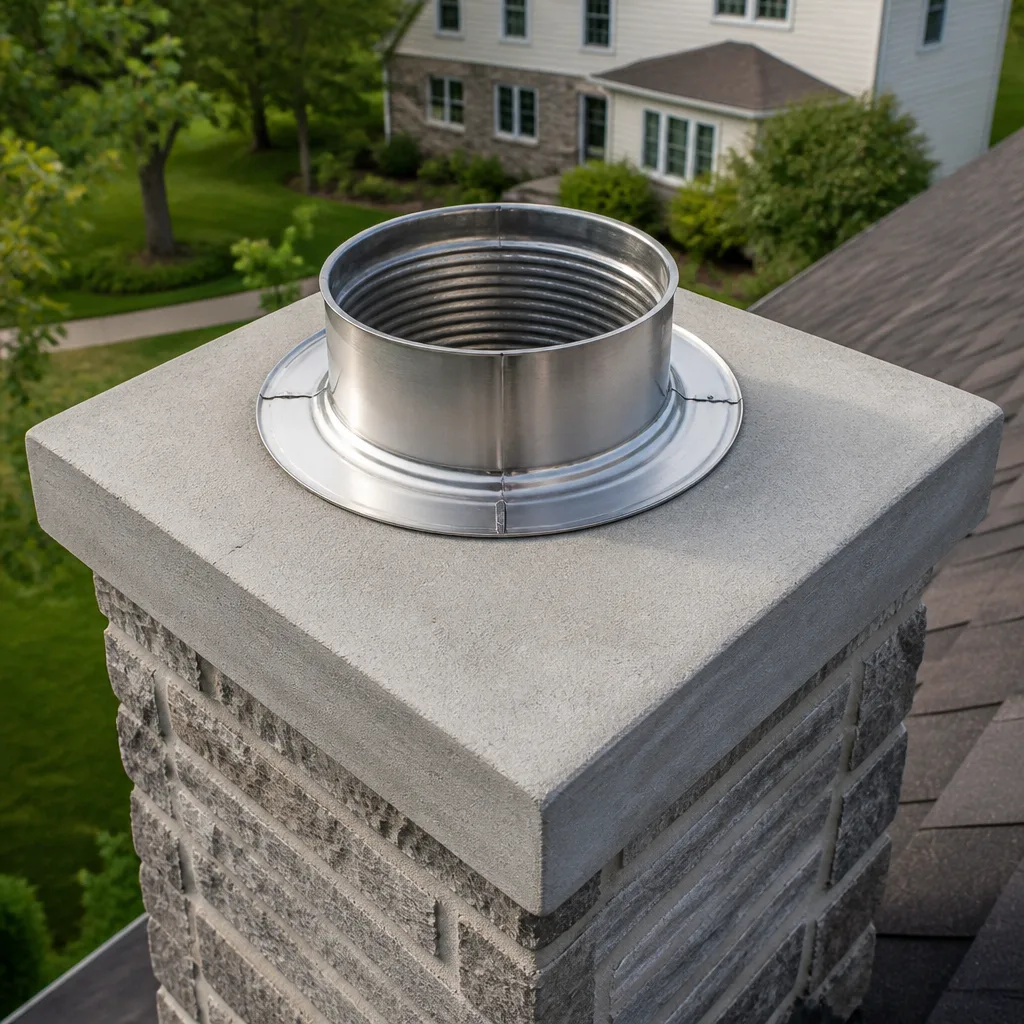 Flue relining
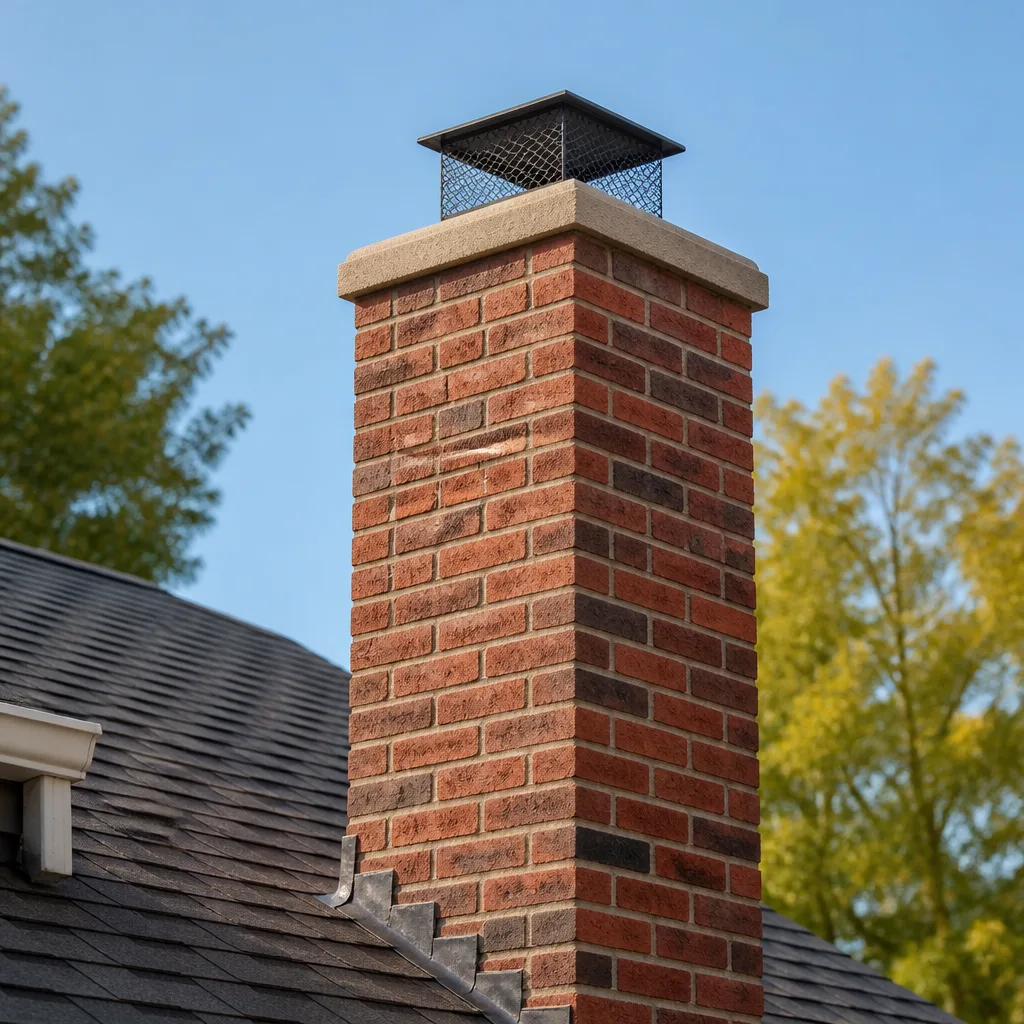 Masonry repair
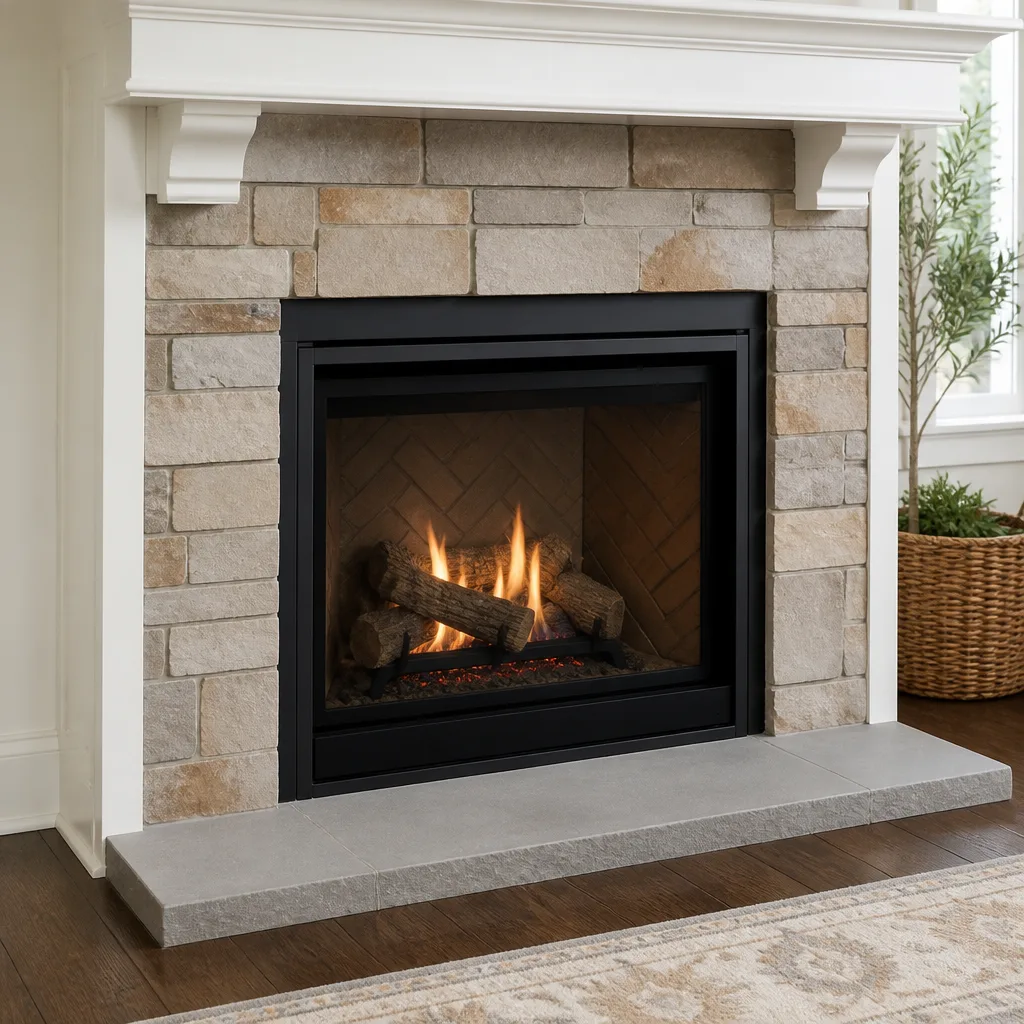 Gas fireplace service
Level 1 sweep and inspection to the NFPA 211 annual standard - flue, crown, cap, and flashing checked and photographed
Chimney sweep logs do not sweep chimneys. They loosen some creosote - which then falls where a brush and vacuum still have to collect it.
Styles & brands we work with
See the difference
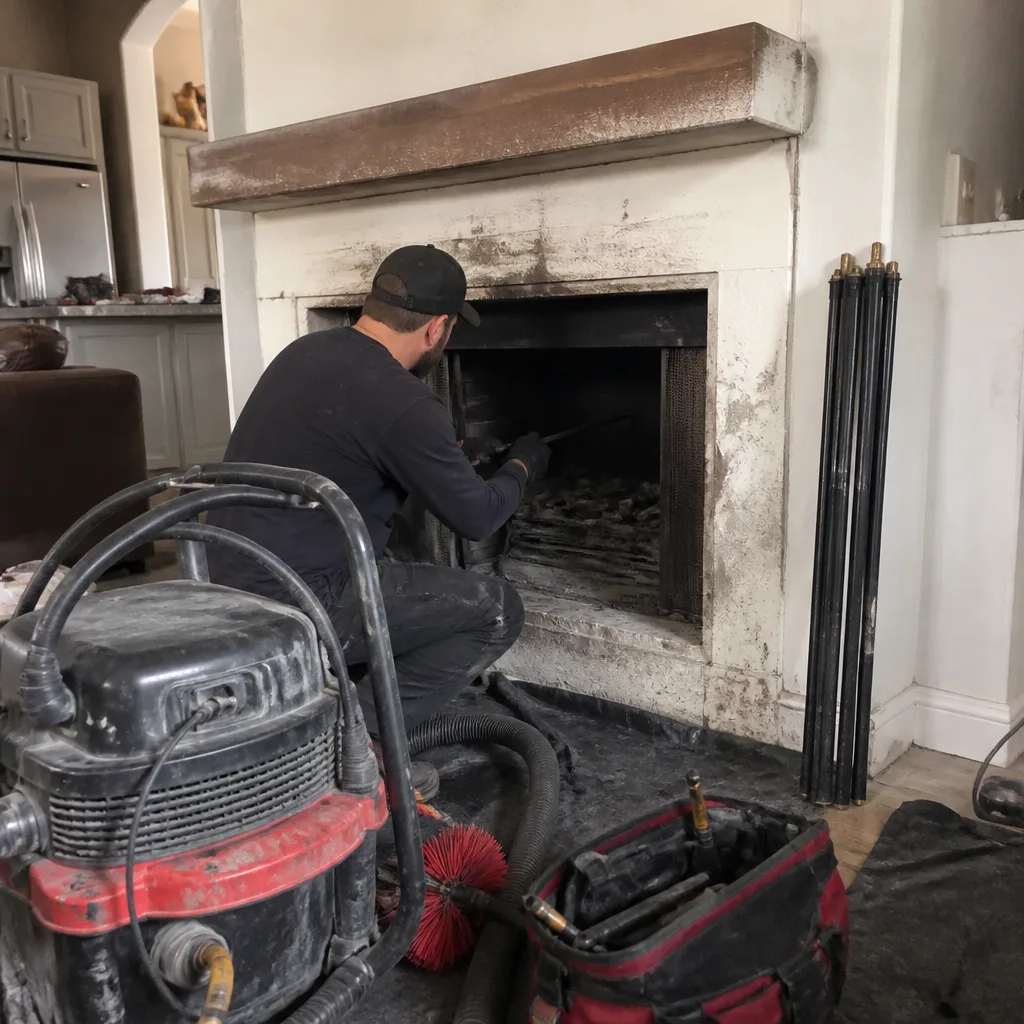 Before
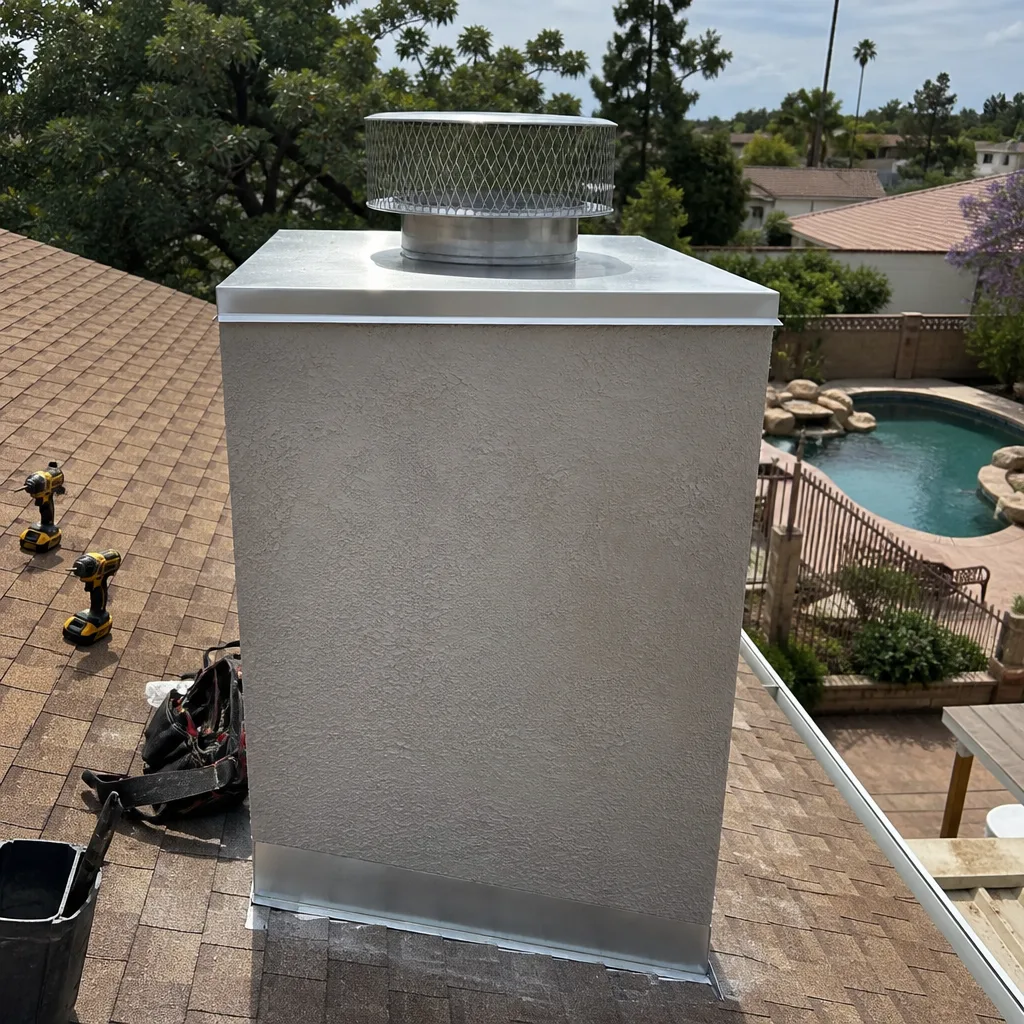 After
After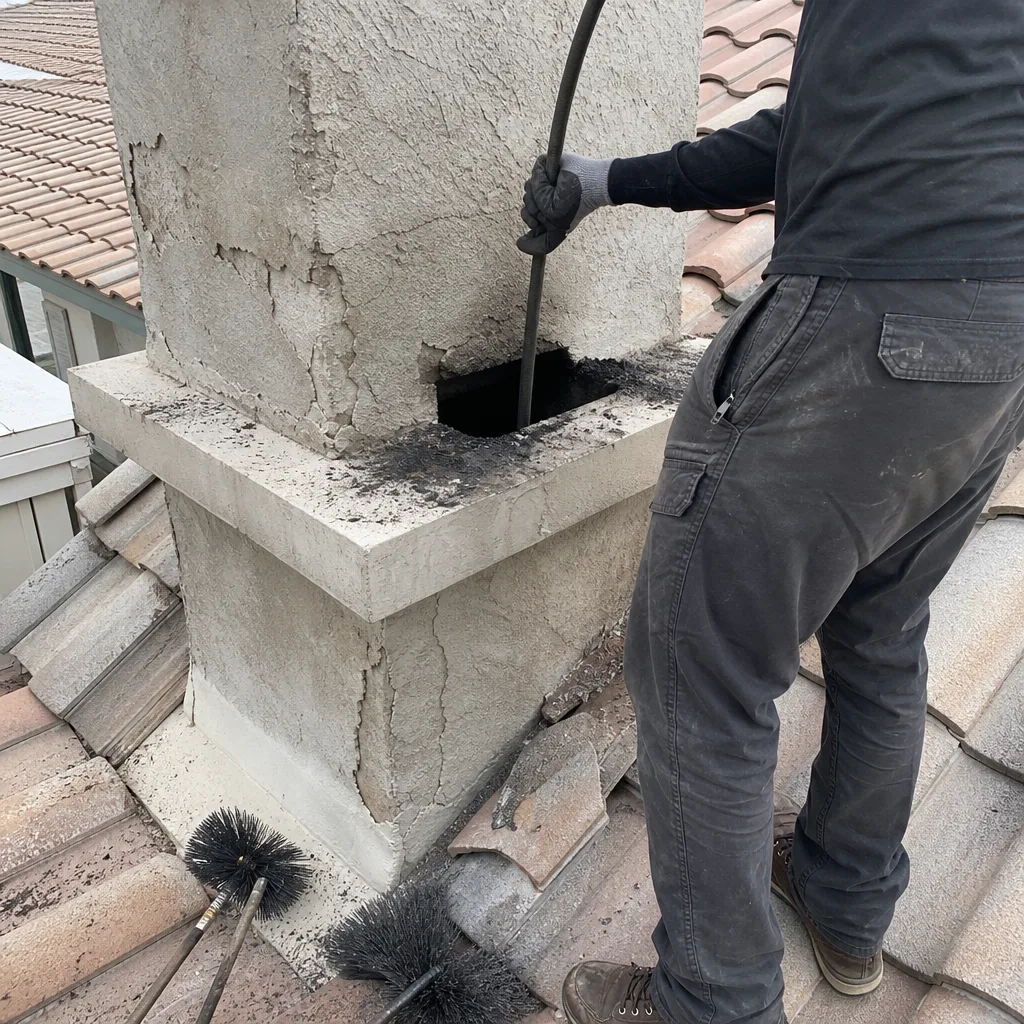 Before
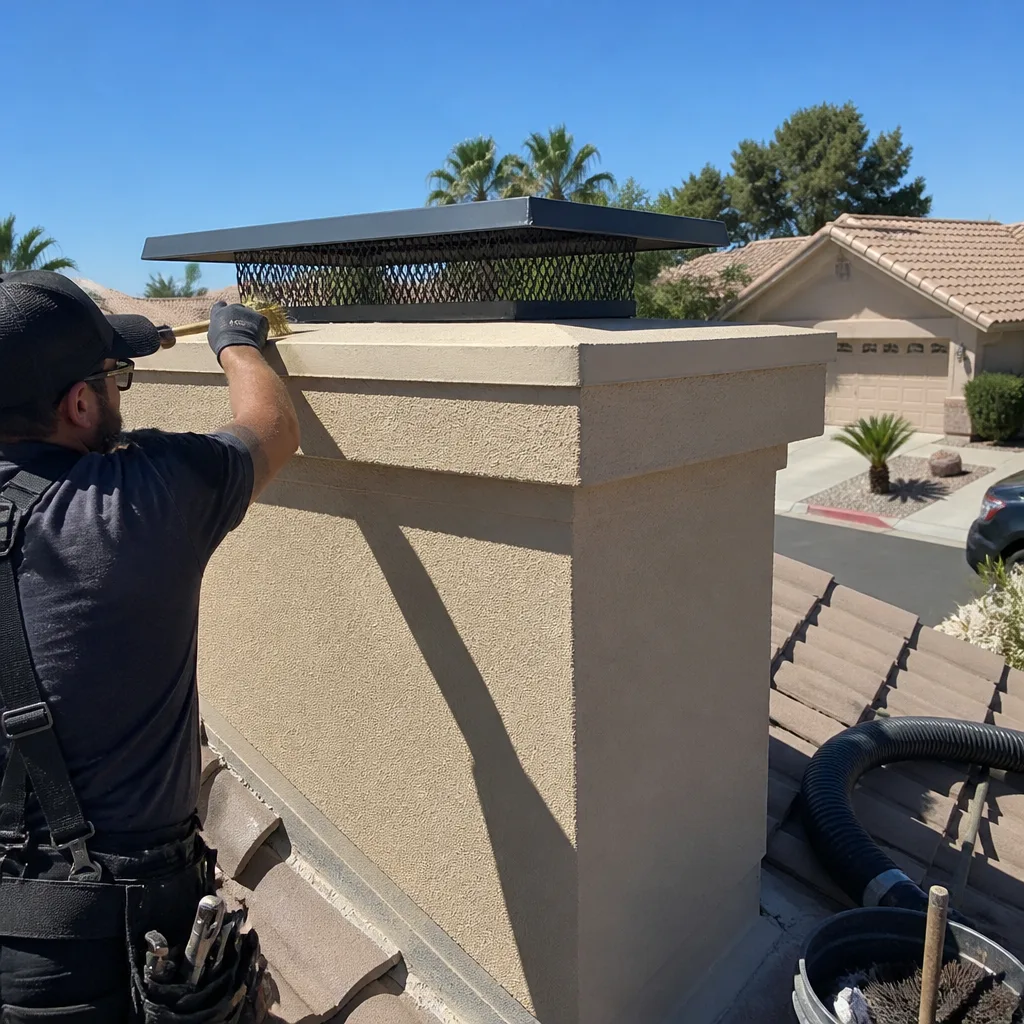 After
After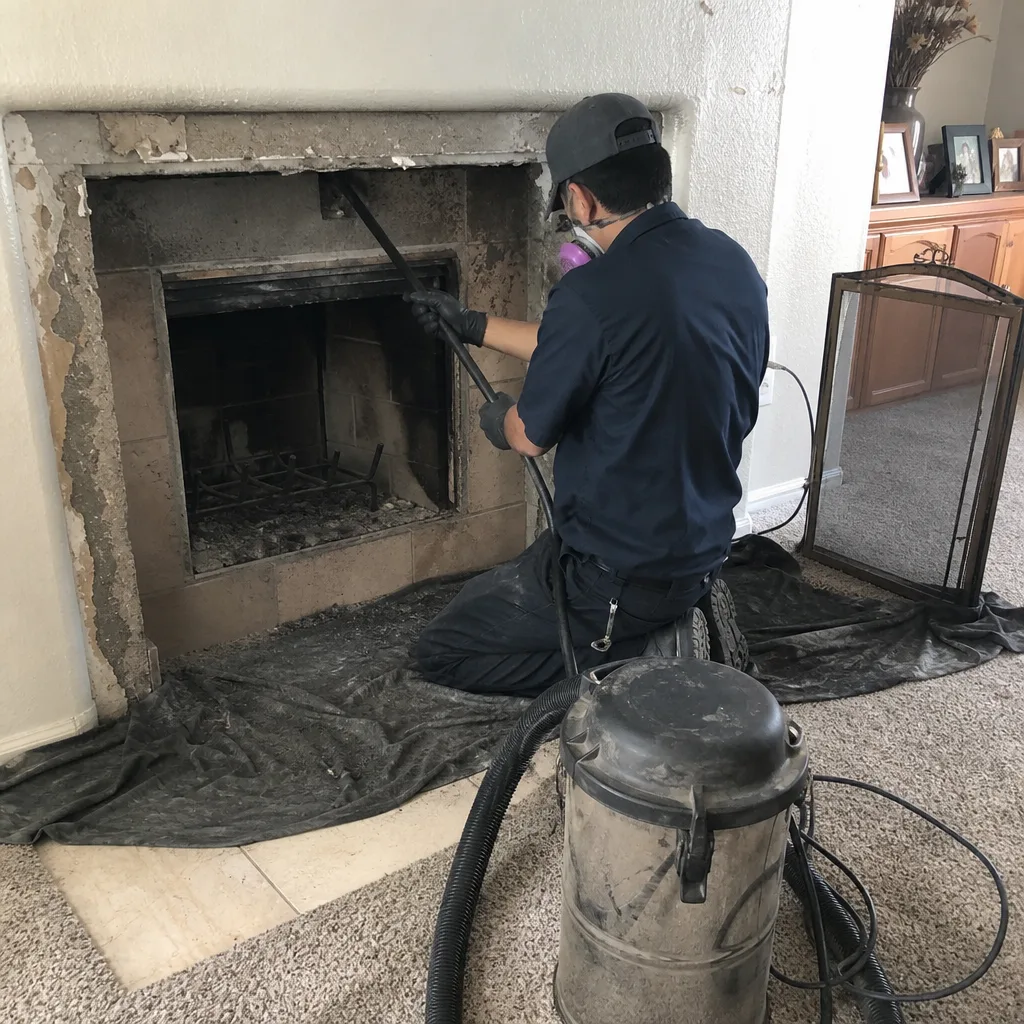 Before
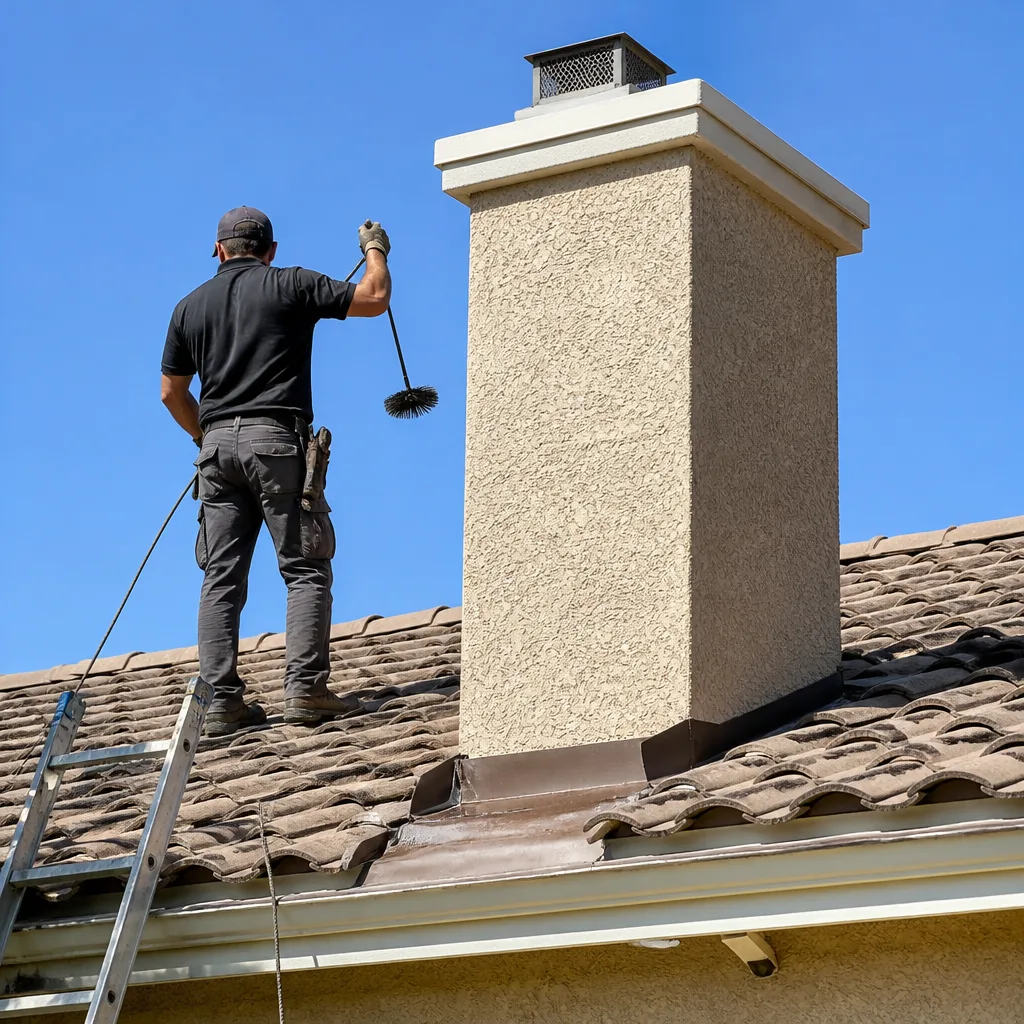 After
AfterCreosote Removal in Las Vegas, NV
Creosote removal in Las Vegas costs between $250 and $500 for a standard single-flue chimney, and most jobs take about an hour once the technician arrives. Hadley Chimney Las Vegas handles creosote removal as part of every chimney sweep, using rotary tools and hand brushes to strip flammable tar buildup from your flue walls before it becomes a fire hazard. If your last chimney inspection was more than a year ago, call us at (725) 600-0308 and we’ll get you on the schedule.
Creosote is the byproduct of burning wood. It coats the inside of your chimney in layers that range from flaky and brushable to a hard, glazed tar that looks like black glass. Most Las Vegas homeowners burn wood only occasionally, so creosote builds up gradually over two or three winters. But even a thin layer is combustible, and third-degree creosote (the glossy kind) ignites at around 2,000°F. That’s why the National Fire Protection Association recommends a sweep when buildup reaches 1/8 inch, which is also the standard we follow on every Chimney Cleaning & Sweep in Las Vegas job.
Hadley has been doing this work in Las Vegas since 2003. Our technicians run rotary steel loops for glazed creosote, wire hand brushes for moderate layers, and chemical treatment for the third-stage glaze that won’t budge mechanically. You’ll get a written price before we start, and before-and-after photos so you can see exactly what came out of your flue.
When You Need Creosote Removal
Not every chimney with creosote is a five-alarm emergency, but these are the signs we tell homeowners to watch for:
- You see black, tar-like residue in the firebox or on the damper. If you can wipe your finger across the firebox wall and come back with a dark, oily streak, that’s creosote shedding from the flue above.
- Smoke hangs in the room or curls back into the house instead of drafting straight up. Thick creosote narrows the flue passage, which slows the draft. Vegas’s flat, dry air doesn’t help; backdrafting is common in single-story ranches in Summerlin and Henderson where there’s minimal stack height.
- You hear or see chunks of creosote falling into the firebox. That means enough has accumulated to flake under its own weight. It also means the flue liner is likely rough and catching more buildup than it should.
- The chimney hasn’t been cleaned in two or more winters of regular burning. Even conscientious burners build up residue. Creosote doesn’t evaporate between seasons; it hardens.
- You have a wood-burning fireplace in an older home, especially pre-1980 construction in historic neighborhoods like John S. Park or the Huntridge area. Those original brick flues have unlined or clay-lined interiors with cracked mortar joints, and creosote loves to collect in every groove.
- Fires feel harder to start and don’t burn as hot as they used to. Creosote absorbs heat and blocks airflow. When the flue can’t pull, the fire starves.
If any of these sound familiar, don’t try to scrape it off yourself with a improvised tool. The right move is a professional sweep with the rotary equipment required to actually remove the buildup, not just knock the loose flakes down. One call to (725) 600-0308 gets you a real person on the line and a technician scheduled.
Our Creosote Removal Process
Here’s what happens when you book creosote removal with Hadley. No surprises, no vague windows, no price changing once the tech is on the roof.
- Book the visit and get a live arrival window. You’ll speak to a real person, day or night, and we’ll put you on the schedule. The Relay Visibility Guarantee means you get live arrival tracking, so you’ll know when the technician is on the way, not just what hour they might show up.
- The tech arrives, covers the work area, and does a quick visual inspection first. Before any brush spins, we look at the firebox, damper, smoke shelf, and flue from top to bottom. We’re checking for creosote stage, flue liner condition, and any blockages like bird nests or wind-blown debris.
- Rotary or hand brushing, depending on what we find. First and second-stage creosote typically comes off with a wire hand brush or a rotary system with poly loops. Third-stage glaze needs a chemical treatment applied first, then a follow-up pass. We carry what your chimney needs, not just a standard brush kit.
- Thorough cleanup at the firebox and roof deck. We run a high-powered vacuum specifically designed for soot and creosote, and we lay drop cloths before any work starts. You should see zero soot in the room when we’re done.
- Before-and-after photos. You’ll see the flue walls before we start and after we finish, plus a shot of what we pulled out. This is your proof the work was actually done, and it’s part of every job under the Relay Visibility Guarantee.
- Written report and recommendation. We’ll tell you what stage of creosote we found, whether we recommend more frequent sweeps, and if the liner shows wear that needs attention. If a repair is needed, you’ll get a written price before any additional work begins.
Every creosote removal job comes with the 365-Day Done Right Promise: if it’s not done right, we make it right, backed by a written guarantee on every repair and a free second visit if the repair fails. That’s not a limited-time offer. That’s been the standard since Cory Mitchell founded Hadley in 2003.
Creosote Removal Pricing in Las Vegas
We give you a written price before any work starts, every single time. Here’s what creosote removal typically costs in the Las Vegas market, so you can budget before you even pick up the phone.
What Affects the Cost
- Creosote stage. First-stage flaky buildup is fast work with a hand brush. Third-stage glaze takes chemical treatment and multiple passes. That extra labor shows up in the price.
- Flue height and access. A single-story home with easy roof access in Centennial Hills costs less than a two-story home with a steep pitch in Peccole Ranch. Roof pitch and chimney height affect setup time and safety equipment needs.
- Liner condition. If the flue liner is cracked, spalled, or has mortar joints deteriorating, we’ll flag it. Resurfacing with HeatShield ceramic compound or installing a DuraFlex flexible liner changes the scope. Creosote removal on a compromised liner requires extra care, and sometimes the liner needs to be addressed before the flue is truly safe.
- Last sweep date. A chimney that’s been cleaned within the last 12 to 18 months usually just needs a light pass. A chimney that hasn’t been touched in five years takes longer, plain and simple.
Typical Las Vegas Ranges
| Job Scope | Typical Cost Range |
|---|---|
| Creosote removal only, first or second stage | $250 – $350 |
| Creosote removal with third-stage glaze treatment | $400 – $500 |
| Full chimney sweep plus creosote removal | $300 – $450 |
| Chimney inspection with creosote removal | $350 – $450 |
These ranges reflect what we see across the valley, from Spring Valley to Silverado Ranch to Green Valley. Your exact price depends on your chimney, and you’ll see that number in writing before anything happens. Estimates are free. Call (725) 600-0308 and we’ll walk you through it.
Why Creosote Removal Matters in Las Vegas
Las Vegas isn’t a heavy wood-burning city the way Flagstaff or Park City is. Most homes here use gas fireplaces, and wood-burning fireplaces are often decorative or occasional. That irregular use pattern creates a specific problem: creosote that forms slowly but then hardens and bakes into the flue between burns. A chimney that sits idle for eight months of the year in 110°F summer heat doesn’t shed its creosote. It cures it.
We see this constantly in older Vegas neighborhoods. Homes in Paradise Palms and McNeil Estates were built in the 1960s and 1970s with brick chimneys, and many original fireplaces still work fine, but the flues were never relined. A baked-on glaze of creosote inside an unlined brick flue is a fire risk that gets worse every year, not better. The desert dryness also means creosote traps and holds dust, sand, and debris from monsoon-season storms, which further restricts airflow when you finally light a fire in November.
Leaky chimneys are another local factor. Flashings around Las Vegas chimneys take a beating from our dramatic temperature swings, and when water gets in, it mixes with creosote and accelerates corrosion of the damper and firebox. If you’re already getting creosote buildup, a cracked flashing makes the whole system degrade faster. Our technicians check flashing as part of every creosote removal, and we can replace or reseal it with materials from Copperfield or Famco when needed.
Levels of Creosote and What They Mean
Chimney professionals classify creosote in three stages, and knowing the difference helps you understand what a technician is telling you.
- Stage 1: Flaky or dusty. This is the early stage. It looks like soot, brushes off easily, and accounts for most of what we remove on annual maintenance sweeps. Stage 1 is the only creosote homeowners can reasonably manage with a chimney brush, but even then, a professional sweep is faster and cleaner.
- Stage 2: Granular, flaky, and thicker. This looks like coarse black sand stuck to the flue walls. It doesn’t come off with a simple brush pass. Stage 2 responds to rotary cleaning with steel or poly loops. If your chimney has reached stage 2, you’re overdue for a sweep.
- Stage 3: Glazed or tar-like. This is the dangerous one. Stage 3 creosote looks like black glass drips or a smooth, shiny coating on the flue walls. It ignites at lower temperatures than stage 1 or 2, and once it starts burning, it burns hot and long, like a contained fuel source. Stage 3 cannot be brushed off. We use a chemical treatment that breaks down the glaze, then return after the treatment has had time to work.
We document the creosote stage in your written report and attach photos. You’ll see the before, the after, and the evidence that the right method was used.
FAQs – Creosote Removal
How often should creosote be removed in Las Vegas?
Wood-burning fireplaces in Las Vegas should be swept at least once a year if you burn regularly, or every 18 to 24 months if you only light fires a few times each winter. The National Fire Protection Association recommends a sweep when creosote reaches 1/8 inch, and we follow that standard. If you’re not sure how much buildup you have, call (725) 600-0308 for an inspection first; we’ll tell you honestly whether you need a sweep or not.
Can creosote removal be done same-day?
Most creosote removal jobs are completed the same day we arrive, in about an hour. Stage 3 glaze is the exception because the chemical treatment needs 24 to 48 hours to break down the tar before we can remove it. If same-day service is a priority, mention it when you call and we’ll tell you what your chimney’s condition allows.
Is creosote removal dangerous to do yourself?
Stage 1 creosote can be swept with a chimney brush from the roof, but even that requires working at height and dealing with soot inhalation. Stage 2 and 3 creosote should not be attempted by homeowners. Rotary tools, chemical treatments, and proper ventilation are required, and stage 3 glaze can ignite during aggressive scraping. Our recommendation is to leave creosote removal to trained professionals with the right equipment and safety gear. The 365-Day Done Right Promise covers every job, so you’re never gambling on a homemade fix.
What does creosote smell like?
Creosote has a distinct smell that many people compare to burnt tar, asphalt, or a strong campfire odor that lingers even when the fireplace is cold. The smell gets stronger on humid or rainy days because moisture in the air activates the creosote compounds. If you notice a tar-like odor coming from your fireplace in the summer, that’s a sign buildup has been sitting for a while, and a sweep is overdue.
Does creosote removal include the firebox and damper?
Yes, a proper creosote removal includes cleaning the firebox, damper, and smoke shelf, not just the flue walls. Creosote collects in all of these areas, and leaving any behind means it can just cycle through the flue again. Our technicians vacuum and hand-clean every accessible part of the chimney system during the job.
Free Estimates and Scheduling
Creosote removal is one of those services where guessing at the price doesn’t serve anyone. We’d rather give you an honest written number before work starts, so you can decide with full information. Call (725) 600-0308 and a live person will answer, day or night, no voicemail maze, no callback queue. We’ll set a time, you’ll get live arrival tracking, and the technician will show up in a tracked window with a uniform and a background check. That’s the Relay Standard, and it’s part of every visit, not just the big jobs.
Written by Cory Mitchell, Owner at Hadley Chimney Las Vegas, serving Las Vegas.