
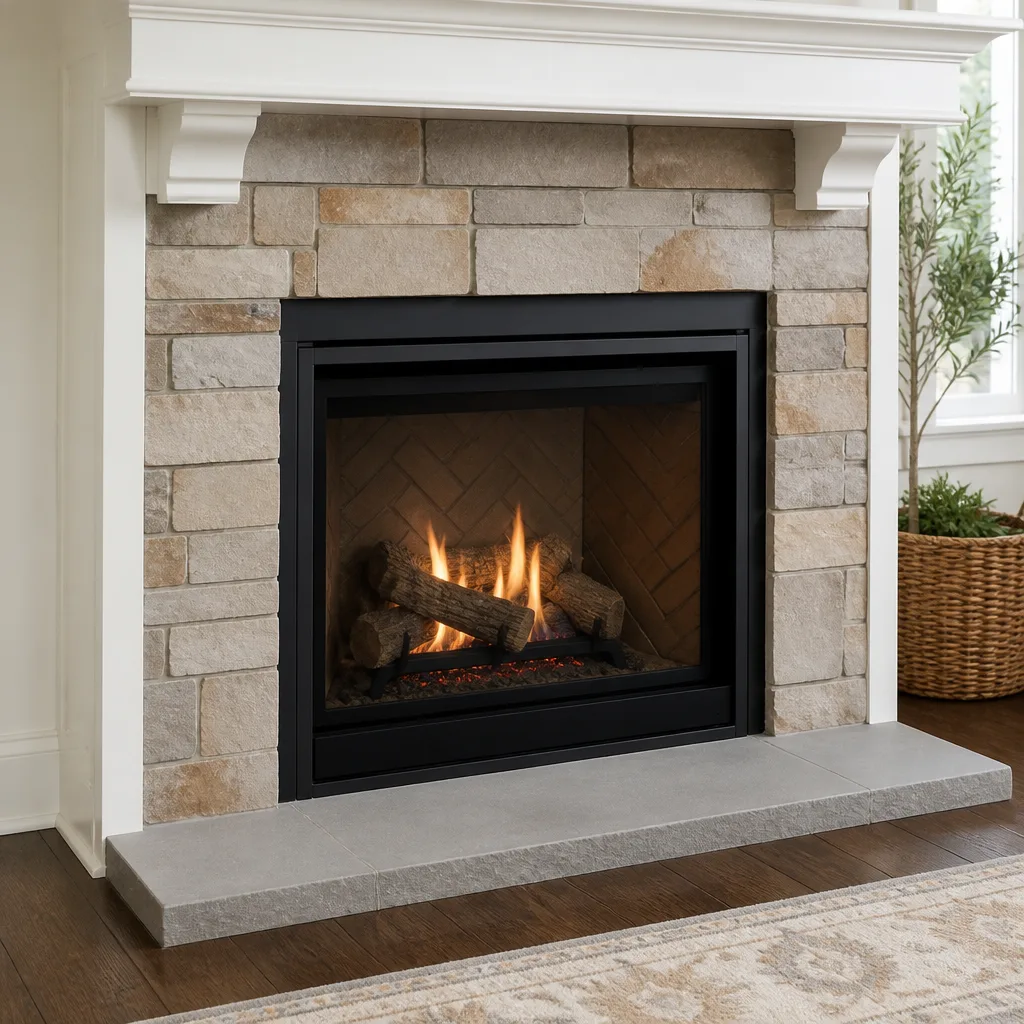
 Gas fireplace service
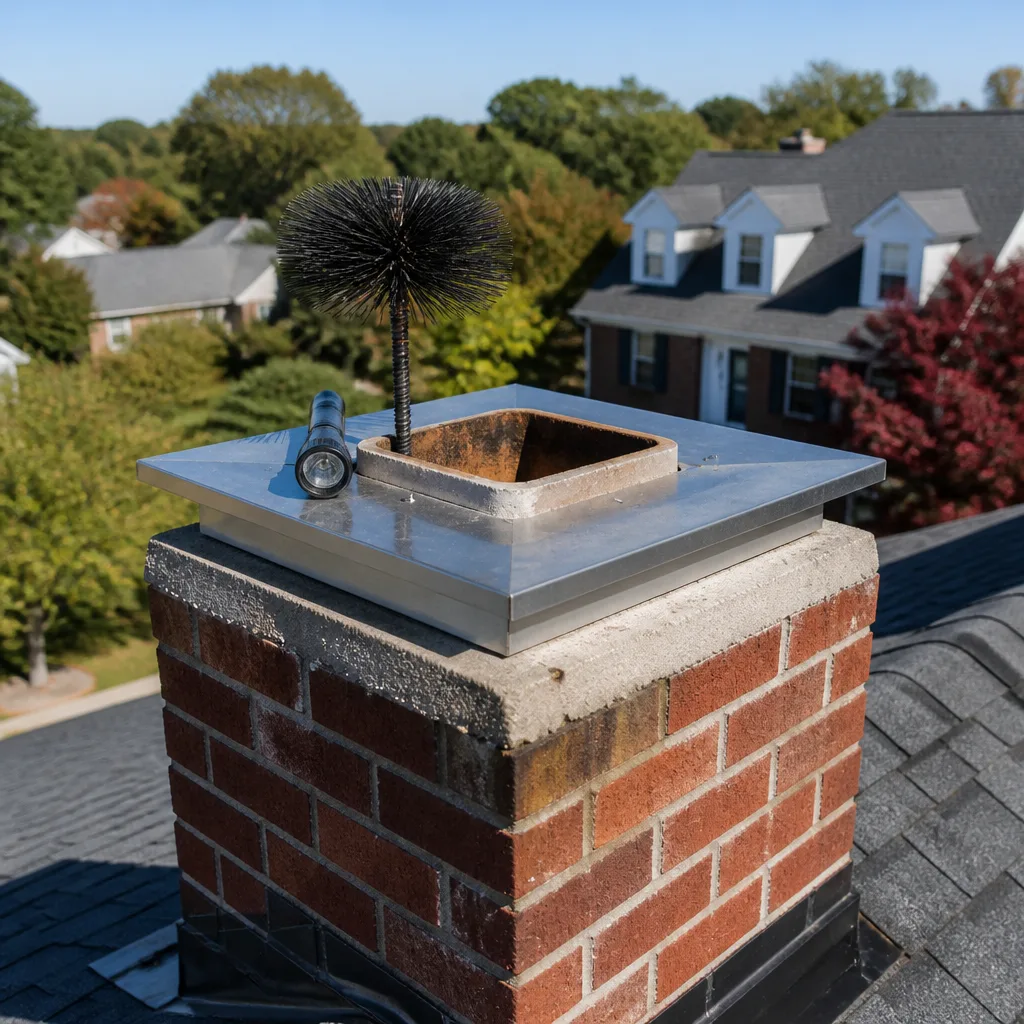 Sweep & inspection
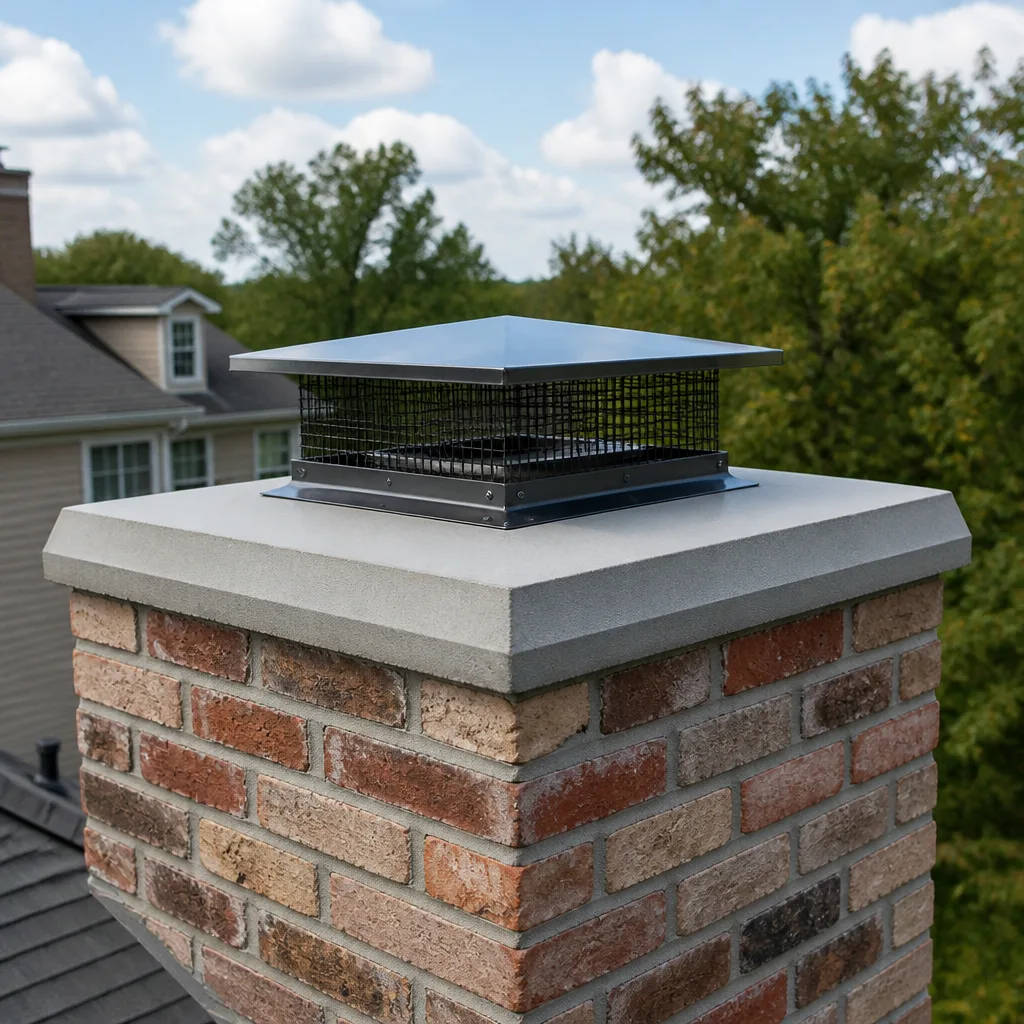 Caps & crowns
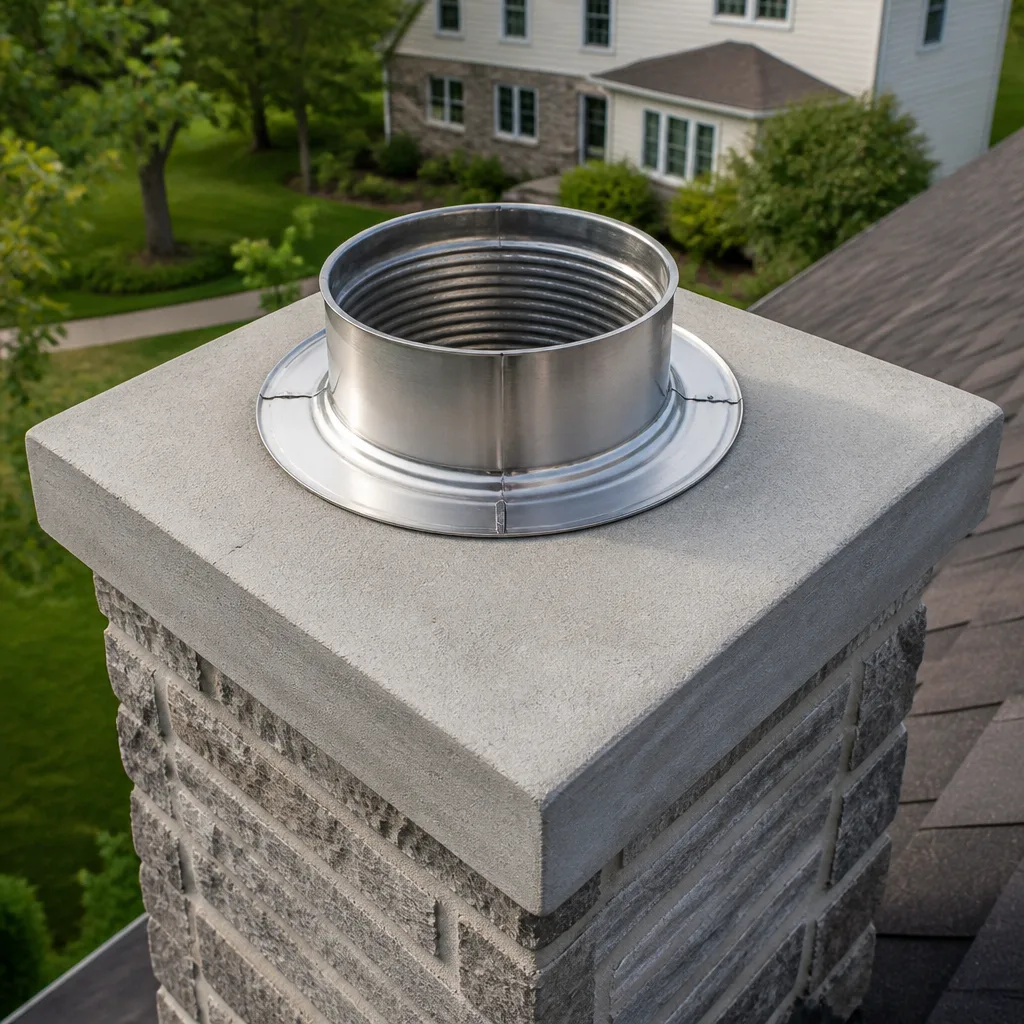 Flue relining
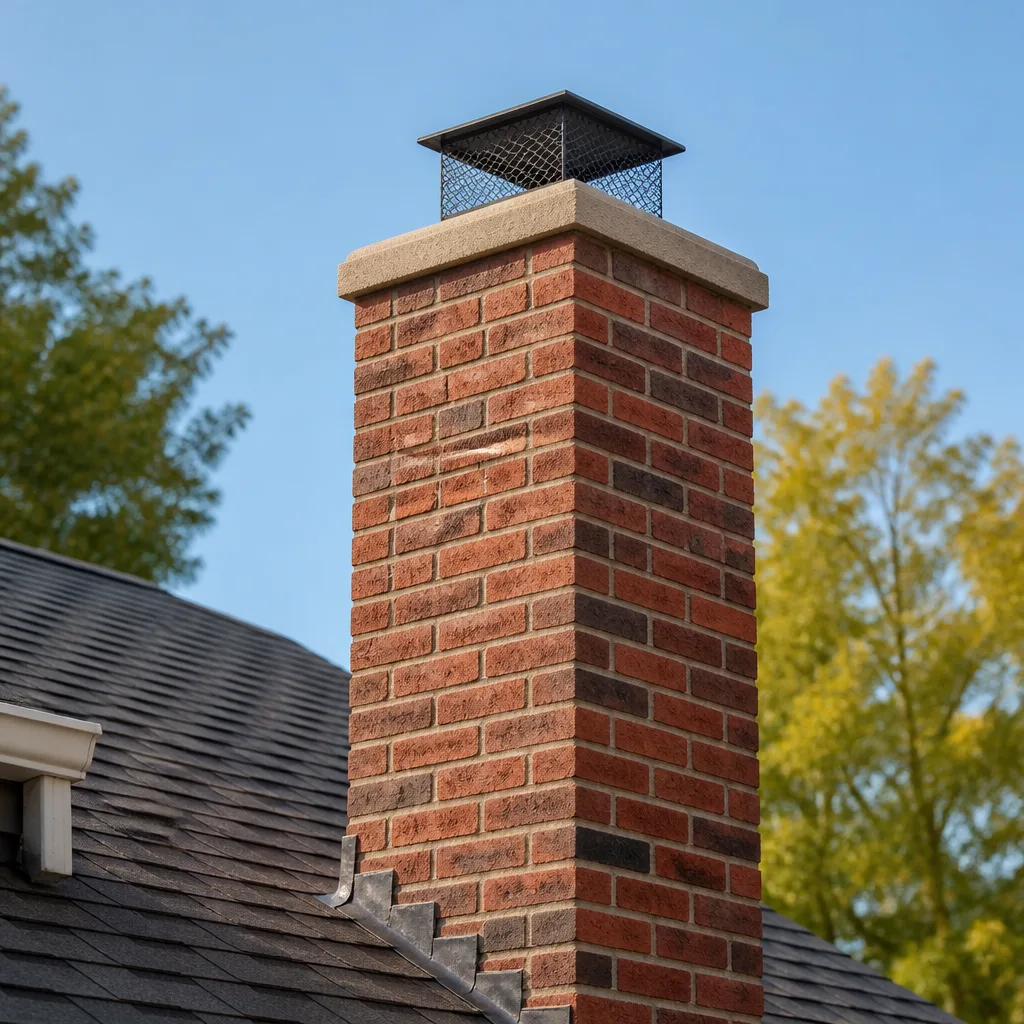 Masonry repair
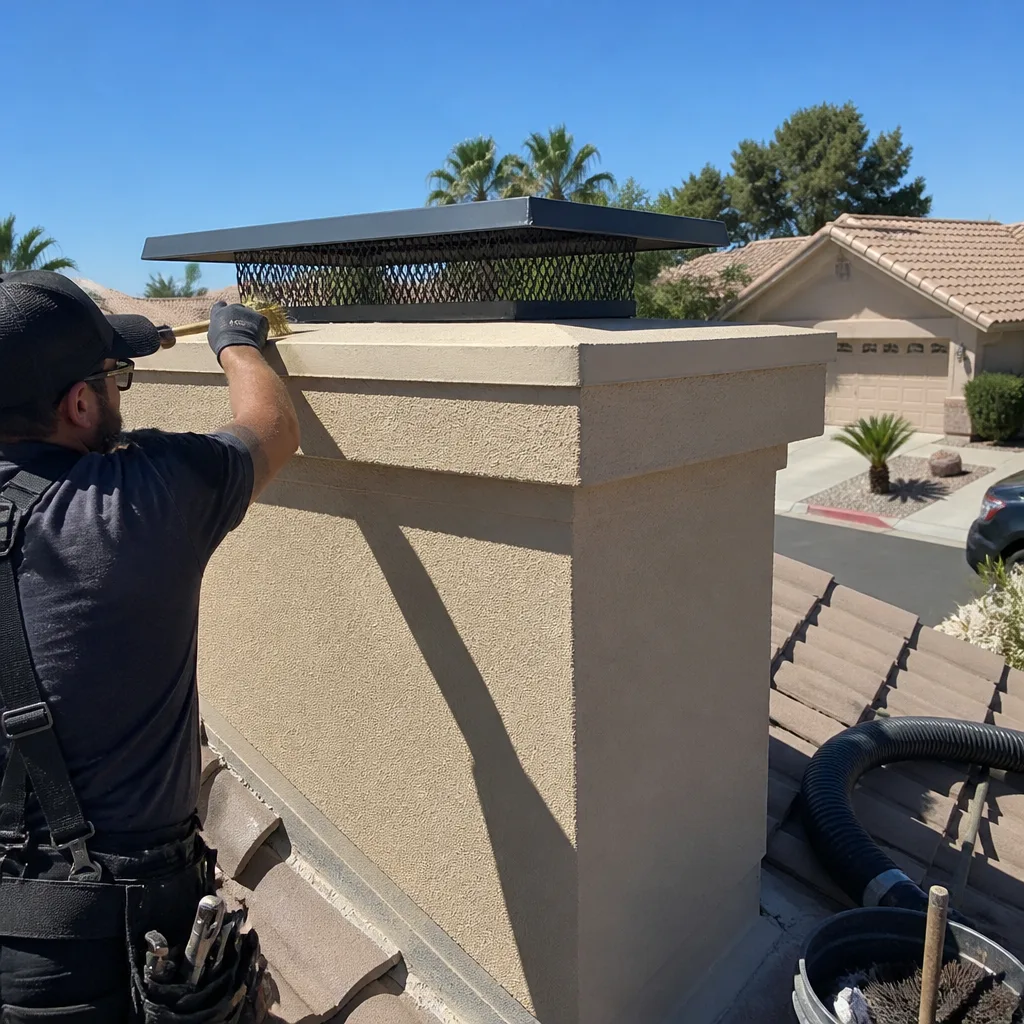
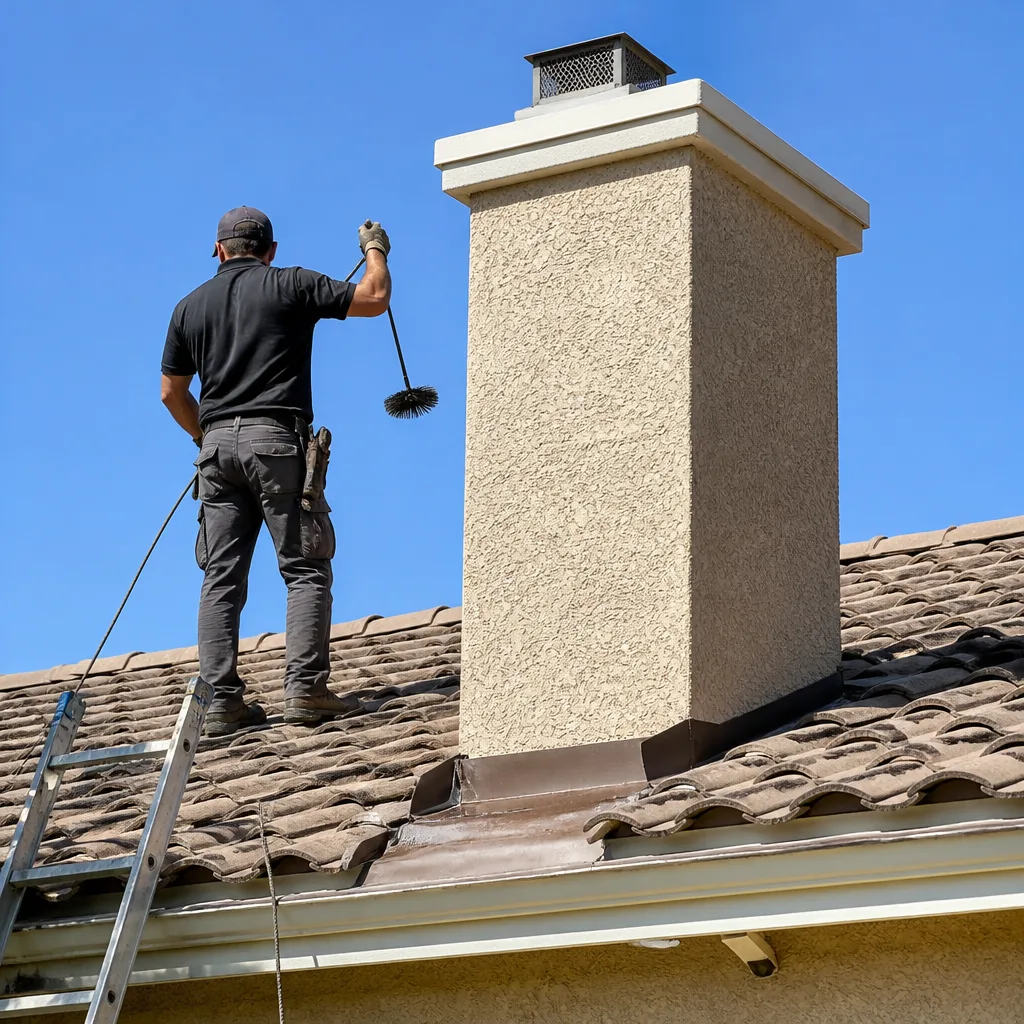
Level 1 sweep and inspection to the NFPA 211 annual standard - flue, crown, cap, and flashing checked and photographed
Chimney sweep logs do not sweep chimneys. They loosen some creosote - which then falls where a brush and vacuum still have to collect it.
Why Las Vegas Homeowners Choose HeatShield Chimney Cleaning
We provide independent Las Vegas Heatshield service and repair across the metro area, and we service the complete HeatShield product line, from the original formula through Cerfractory 500 and Cerfractory Ultra. What sets our HeatShield work apart is that we don’t just sweep the flue and call it done. We run a Level 2 camera inspection before and after every HeatShield job because the real problems with these liners happen where you can’t see them from the firebox. We’re an independent contractor, not a HeatShield authorized dealer, so our recommendations come from what our cameras show us in hundreds of Las Vegas flues, not from a manufacturer script. If you need a HeatShield inspection, cleaning, or repair estimate, call (725) 600-0308 and we’ll give you a written price before any work begins.
Here’s the reality of owning a HeatShield-lined chimney in Las Vegas: the brittle desert air and wild temperature swings between November nights and February afternoons put thermal stress on ceramic veneer that most national warranty pages never acknowledge. We’ve spent over two decades watching exactly how HeatShield behaves in this climate. Cory Mitchell, our owner, learned the chimney trade through hands-on coursework at Los Angeles Trade-Technical College before building a crew that has served the Las Vegas Valley for well over a decade. That crew has opened hundreds of fireboxes and lowered hundreds of cameras down flues across Summerlin, Henderson, Green Valley, and the older neighborhoods near the Strip corridor. We know where HeatShield fails first in this climate, and we know how to fix it so it holds.
Why Trust Hadley Chimney Las Vegas for Your HeatShield Chimney Cleaning?
Most companies offering Chimney Sweep services in Las Vegas can sweep a flue. Far fewer can tell you whether the HeatShield Cerfractory layer on your smoke chamber wall is structurally sound or quietly delaminating. Our technicians work with HeatShield products every week, and that repetition builds the kind of pattern recognition you only get from seeing the same four failure modes show up again and again: pinholes from incomplete original application, thermal spalling on south-facing flue walls, mixing errors that cause early flaking, and hidden voids behind foam-in-place liners at offset joints. We know what an early curing failure looks like on camera before it becomes a smoke odor in an upstairs bedroom.
As an independent HeatShield service provider, we don’t have a sales quota pushing us toward re-lining every chimney we inspect. When the existing veneer is structurally sound, we say so and do a proper cleaning. When we find flaking or voids, we show you the photo. Cory’s approach is straightforward: “I’d rather show you the photo and explain it straight than leave you guessing what’s going on up there.” That’s how we run every HeatShield job in Las Vegas, and it’s backed by our 365-Day Done Right Promise. If a repair fails, we come back and make it right, with the second visit on us.
Styles & brands we work with
Common HeatShield Chimney Cleaning Problems We Fix in Las Vegas
- Pinholes from incomplete original application. When the original installer rushed the Cerfractory application or didn’t reach the full flue circumference, small pinholes form where flue gases bypass the liner and eat into the masonry behind it. We find these most often in zero-clearance factory-built fireplaces from the 1990s-2000s housing boom in Summerlin and Henderson, where the original install was part of a fast-moving tract build. Our Level 2 camera catches these pinholes early, before the damage spreads.
- Thermal-cycling delamination on upper flue walls. Las Vegas winters are mild but erratic. A flue can go from 500 degrees during an evening fire to 30 degrees by 3 a.m. That rapid thermal cycling is harder on HeatShield Cerfractory than months of steady cold. We see delamination and spalling concentrated on the upper third of the flue where that expansion-contraction stress lands hardest. Green Valley and Summerlin homes with tall, exposed chimney chases see this pattern more often.
- Flaking after the first heating season from improper mixing. HeatShield Cerfractory is a two-part slurry. If the mixing ratio is off, or the slurry sat too long before application, the bond never fully sets. The result looks fine on day one and starts flaking after the first winter of use. We’ve re-repaired dozens of these in Las Vegas after the original installer has moved on. The fix is labor-intensive: remove loose material, acid-etch the underlying brick, and apply fresh Cerfractory in two controlled coats to a continuous 1/4-inch layer.
- Undetected voids behind foam-in-place liners at offset joints. Foam-in-place HeatShield systems can leave voids where the flue changes direction, especially at offset joints in newer prefabricated metal flues. Those voids trap creosote and allow smoke leakage into the wall cavity. A standard sweep won’t find them. Our camera inspection will, and we’ll show you exactly where they sit before recommending any repair.
- Chase-top corrosion on stubby, unlined metal flues. In neighborhoods like Summerlin, many homes were built with short, unlined metal flues that corrode at the chase top. Locals call them “wind whistlers” because they howl during the gusts that funnel down the Spring Mountains during the spring windy season. When a HeatShield liner is installed over a corroded chase top without addressing the metalwork first, the new liner gets undermined by the same water and wind intrusion that damaged the original. We check the chase top before we touch the liner.
HeatShield Parts & Our Repair-vs-Replace Approach
We source genuine HeatShield Cerfractory kits directly from certified suppliers. We don’t use relabeled generic refractory cement. The proprietary Cerfractory mix is what meets UL 1777 and ULC S635 standards for zero-clearance re-lining, and substituting a generic product compromises that compliance. Genuine parts mean the repair behaves the same way on day 500 as it does on day one.
Our repair-vs-replace decision comes down to what the camera shows. When the existing HeatShield veneer is structurally sound with no visible cracking beyond hairline, we repair locally. That means removing the loose material, acid-etching the substrate, and applying fresh Cerfractory in controlled coats. We recommend full re-lining when coverage is incomplete, when voids sit behind the liner, or when mortar joints between flue tiles have opened beyond 1/8 inch. We’ll never push a re-line you don’t need. If the veneer is holding and the flue is clean, you’ll hear that from us. Call (725) 600-0308 for an honest assessment, and we’ll show you the photos to prove it.
Our HeatShield Service Process – Step by Step
- 1
Level 2 camera diagnosis. Before we recommend anything, we send a camera down the flue and record what we find. You’ll see the footage. If there’s flaking Cerfractory, pinholes, or a void at an offset joint, it’ll be on screen. No one in Las Vegas gets a HeatShield repair recommendation from us without photo documentation first.
- 2
Repair or re-lining plan, priced in writing. We quote the exact scope before anyone picks up a brush. That includes whether we’re repairing a 6-inch patch or re-lining the full flue, what materials we’re using, and what it costs. The price is written, and it doesn’t change when the tech is on the roof.
- 3
Surface preparation and HeatShield application. For repairs, we remove the loose material down to sound substrate, acid-etch the underlying brick, and apply HeatShield Cerfractory in controlled two-coat passes to hit the required 1/4-inch continuous layer. For full re-lining, we follow the same prep discipline across the entire flue circumference.
- 4
Post-installation camera verification and thermal scan. After the material cures, we run the camera again and do a thermal scan across the repair zone to confirm even bond coverage. You get those photos. You shouldn’t have to take anyone’s word for what happened inside your chimney.
- 5
Written guarantee on every repair. Every HeatShield repair carries our 365-Day Done Right Promise. If the repair fails within the year, the second visit is free. That’s not an upsell or an optional add-on. It’s the standing commitment on every job we do in Las Vegas.
See the difference
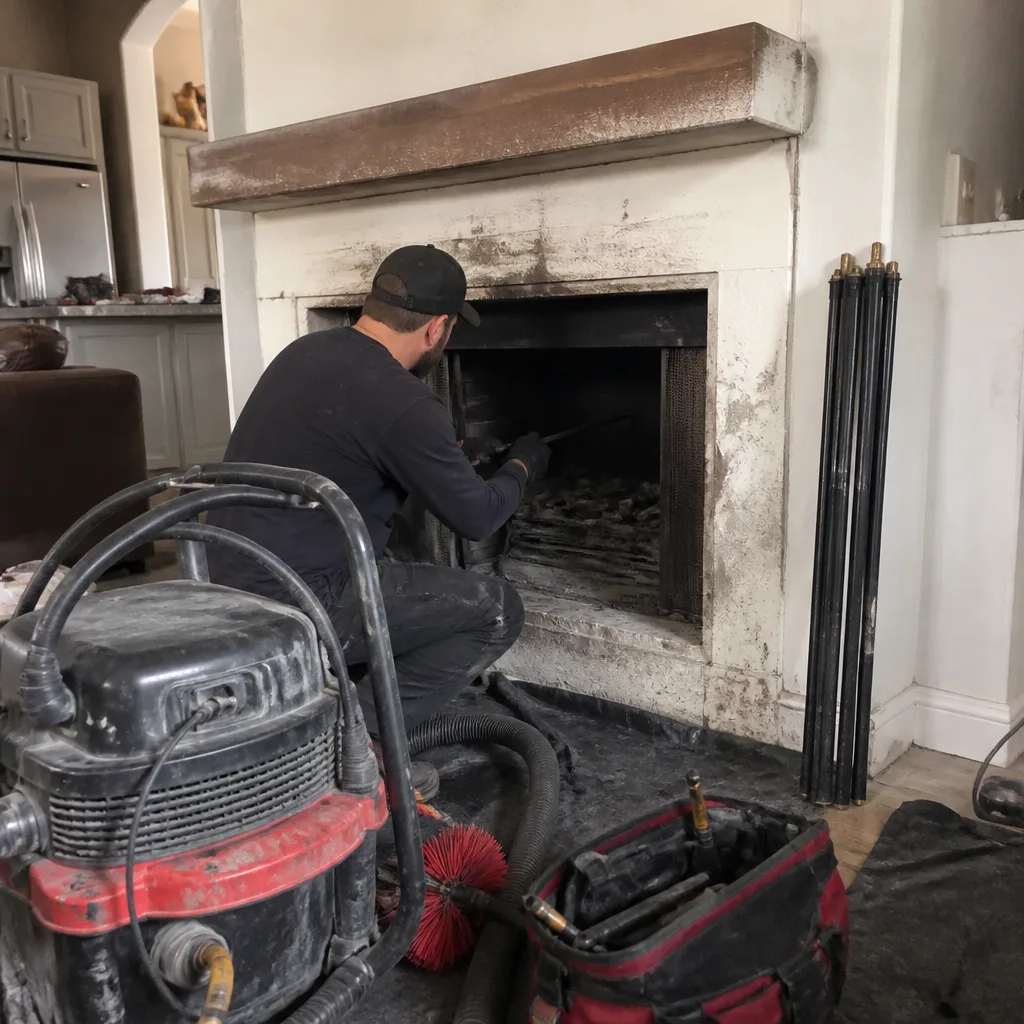 Before
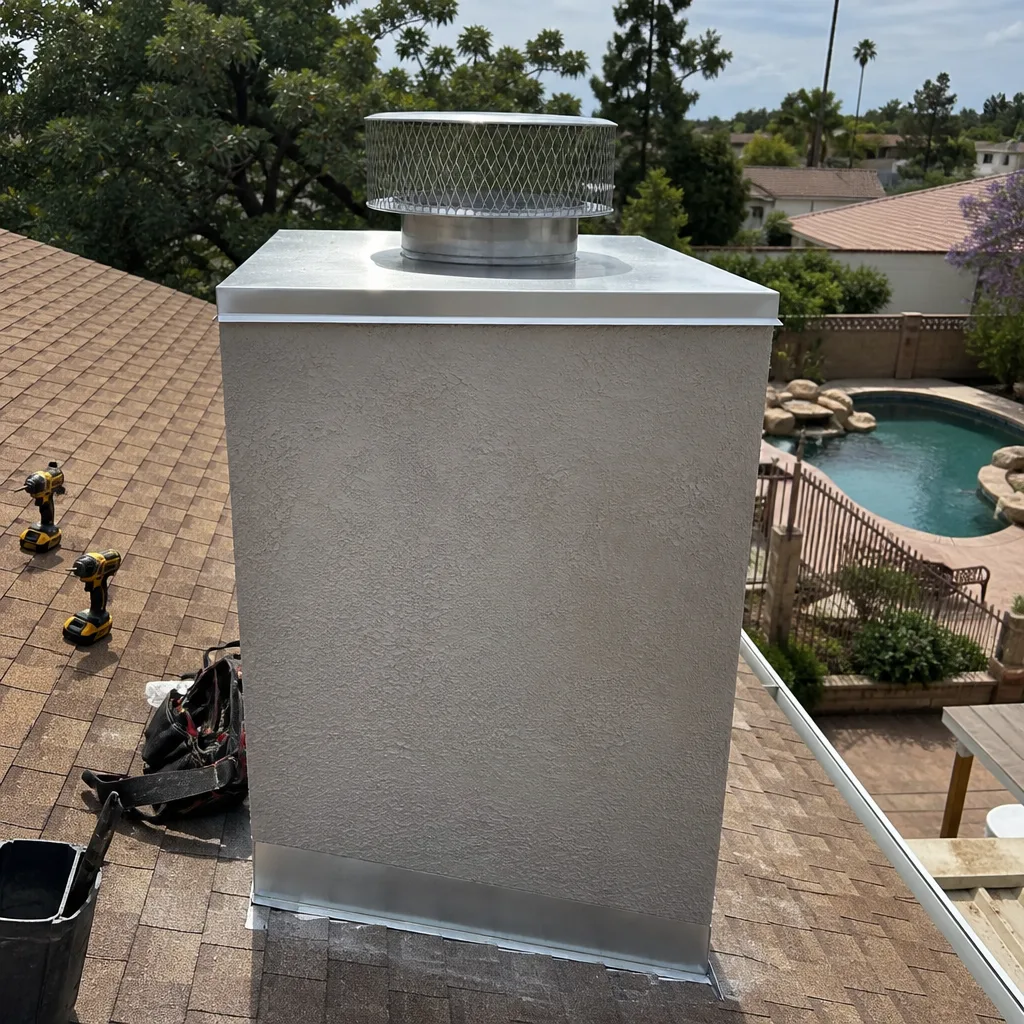 After
After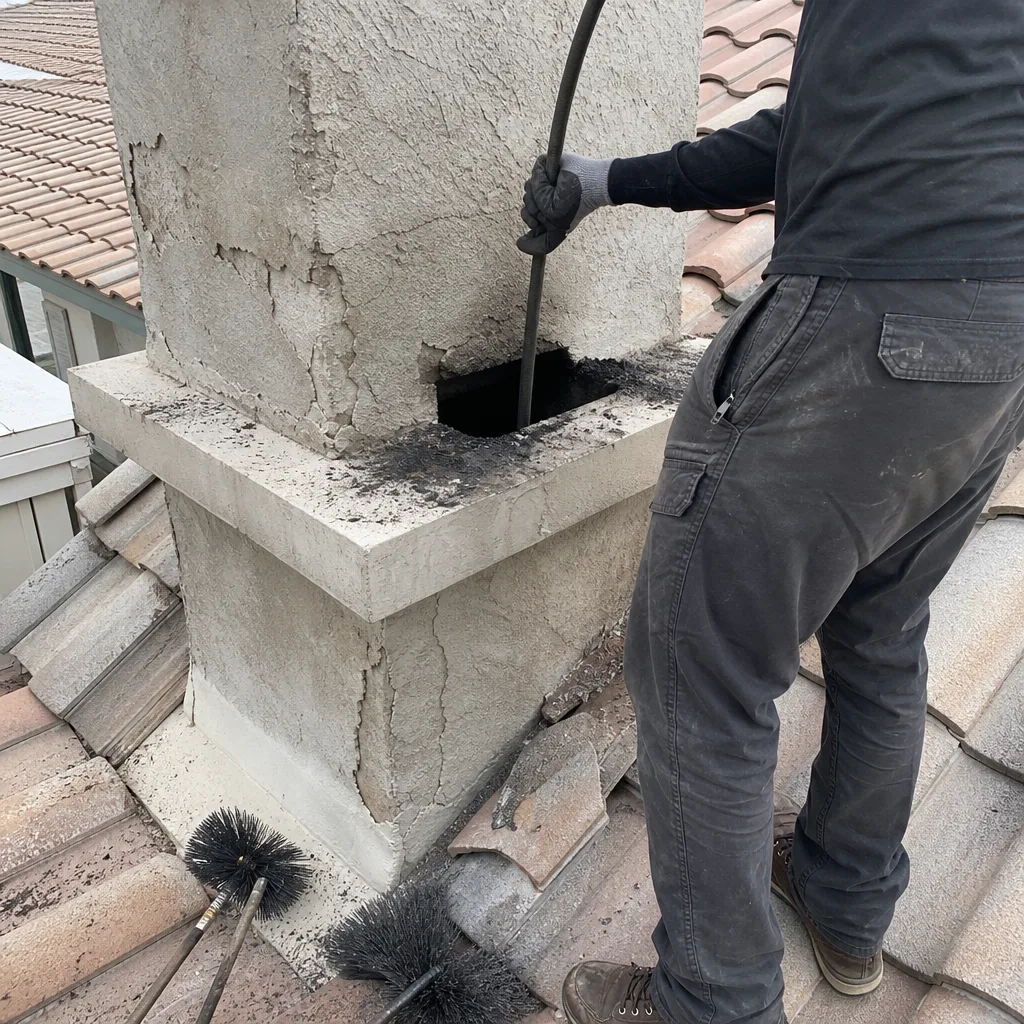 Before
 After
After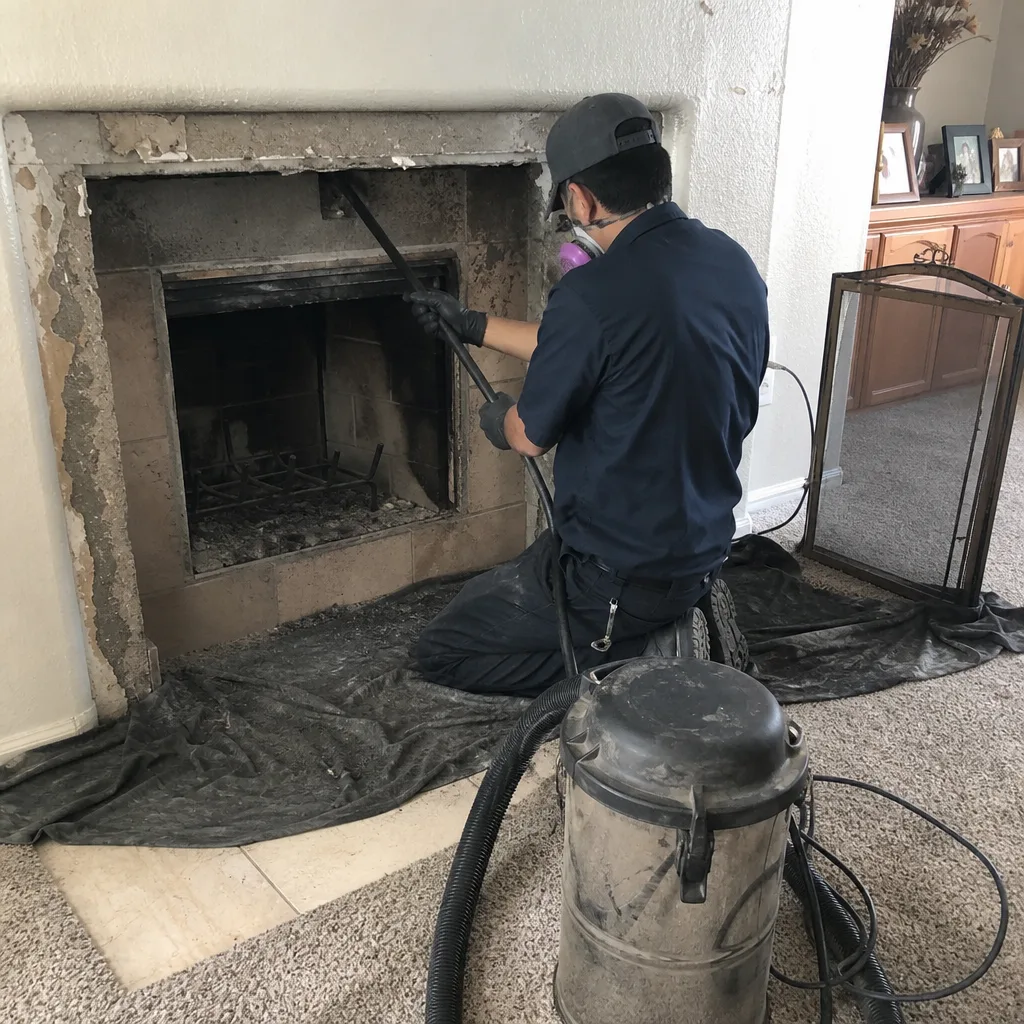 Before
 After
AfterHeatShield Products We Service & Install in Las Vegas
We work with the full HeatShield line, including the Original Formula, Cerfractory 500, Cerfractory Ultra, and the Foam and Sealant Systems. For most Las Vegas homes with zero-clearance prefabricated fireplaces, Cerfractory 500 is the appropriate choice for vertical flue re-lining. Cerfractory Ultra is specified for higher-temperature or more demanding applications. We keep genuine Cerfractory kits on hand for common repair scopes, which means less waiting when you need a repair finished before the holiday burn season. If you’re not sure which HeatShield product was originally installed in your chimney, our camera inspection will usually tell us from the surface texture and bond pattern.
We Also Service These Brands
HeatShield is a big part of what we do, but we’re not limited to it. We also service and install DuraFlex flexible liner systems and Gelco chimney products across Las Vegas. That matters because the right liner for your home isn’t always the one you already have. If HeatShield isn’t the best fit for your flue condition, wall thickness, or chase configuration, we’ll tell you and explain the alternative.
FAQs – HeatShield Chimney Cleaning Service in Las Vegas
No. We are an independent HeatShield service provider with no manufacturer affiliation. We choose to work with HeatShield products because we’ve seen them hold up well in Las Vegas conditions when installed correctly, but our recommendations are based entirely on what we see in your flue, not on a manufacturer agreement. If your existing liner needs repair, we’ll tell you. If it’s in good shape and just needs cleaning, we’ll tell you that too.
Genuine HeatShield Cerfractory kits, always. We source them directly from certified suppliers. We don’t use generic refractory cement relabeled to look like HeatShield because the proprietary mix is what carries the UL 1777 and ULC S635 listing. An aftermarket substitute might look similar going on, but its bond strength and thermal cycling performance aren’t the same. That difference shows up as flaking after the first heating season in our desert climate.
No, and that’s one of the main reasons homeowners and techs alike choose it. HeatShield Cerfractory is applied directly to the interior surface of the existing flue after proper cleaning and surface preparation. The existing clay tile liner typically stays in place. The key is prep: if the tile surface isn’t properly prepped, or if old creosote and soot aren’t fully removed before application, the bond will fail early. That’s why our process includes full surface preparation before any Cerfractory goes on.
No, not directly. Silicone-based waterproofing products create a surface that Cerfractory can’t bond to reliably. If your chimney was treated with a silicone sealant at some point, the surface needs to be mechanically cleaned and acid-etched to remove all traces of the silicone before HeatShield application. Skipping that step is a common cause of early delamination. We check for this during our initial inspection.
Las Vegas gives HeatShield a tougher workout than most cities. The summer heat bakes the outside of the chimney while the interior stays relatively cool, creating expansion stress on the outer masonry. Then monsoon rain storms hit that hot brick, causing rapid cooling. Over repeated years, this thermal cycling is the primary cause of hairline cracking and spalling in HeatShield veneer in this region. Our camera logs from hundreds of local chimneys show the upper third of the flue is where this damage concentrates first. We factor that into every inspection.
Light surface dust is normal. The ceramic surface sheds a fine powder during early heating cycles as the material fully cures. But if you notice flaking, peeling, or chunks falling into the firebox, that’s not normal, and it usually means one of three things: improper mixing during installation, incomplete surface prep, or moisture entering through a chase top that wasn’t sealed properly. The only way to know which is with a camera inspection. Call (725) 600-0308 for a free estimate, and we’ll show you exactly what’s happening inside your flue.
HeatShield chimney cleaning in Las Vegas typically runs $180 to $340 for a standard Level 1 cleaning, while a Level 2 camera inspection with HeatShield-specific assessment runs $250 to $450. If we find damage that requires a local HeatShield Cerfractory repair, that typically lands between $400 and $900 depending on the size of the patch. Full HeatShield re-lining of a typical single-story Las Vegas flue generally runs $3,500 to $6,500. These are honest market ranges, and we’ll give you a written price before any work starts. Call (725) 600-0308 for an exact quote on your chimney.
Book Your HeatShield Service in Las Vegas, NV
If you own a HeatShield-lined chimney in Las Vegas and you want to know exactly what’s going on inside it, call (725) 600-0308. We’ll schedule your inspection, show you the camera footage, and give you a written price before any work starts. Cory and the crew at Hadley Chimney Las Vegas have been doing this since 2003.
Written by Cory Mitchell, Owner at Hadley Chimney Las Vegas, serving Las Vegas since 2003.